This Urban Sprout Corner guide looks at Balcony Veggies through the lens of realistic tradeoffs, simple next steps, and long-term usefulness.
Let’s be honest. The image of a sprawling vegetable garden, bursting with tomatoes and zucchini, is lovely. But for most of us living in city apartments or smaller homes, it feels…aspirational. I’ve spent the last decade working on my own balcony and rooftop spaces - and they’re productive, sure - but they’re also built on a foundation of practicality. The biggest mistake I see people make is trying to force a big garden into a small space. It’s a recipe for frustration. You’re going to spend more time wrestling with limited sunlight, cramped conditions, and a whole lot of wasted effort. The goal isn’t to replicate a farm; it’s to grow a surprising amount of fresh food, efficiently. Let’s focus on what actually works on a balcony.
I usually look for a south-facing balcony - that’s the sweet spot for sunlight. East or west-facing can work too, but you’ll need to be more strategic about crop selection. North-facing balconies? Well, you’ll need to focus on shade-tolerant greens and herbs. Regardless, understanding your balcony's sun exposure is the first, crucial step. It dictates everything from what you can grow to how often you need to water.
Understanding Small Space Priorities
Before you even think about seeds, let’s nail down what truly matters. It’s not about growing the biggest plants; it’s about maximizing yield per square foot. Here’s what I consistently find delivers the best results:
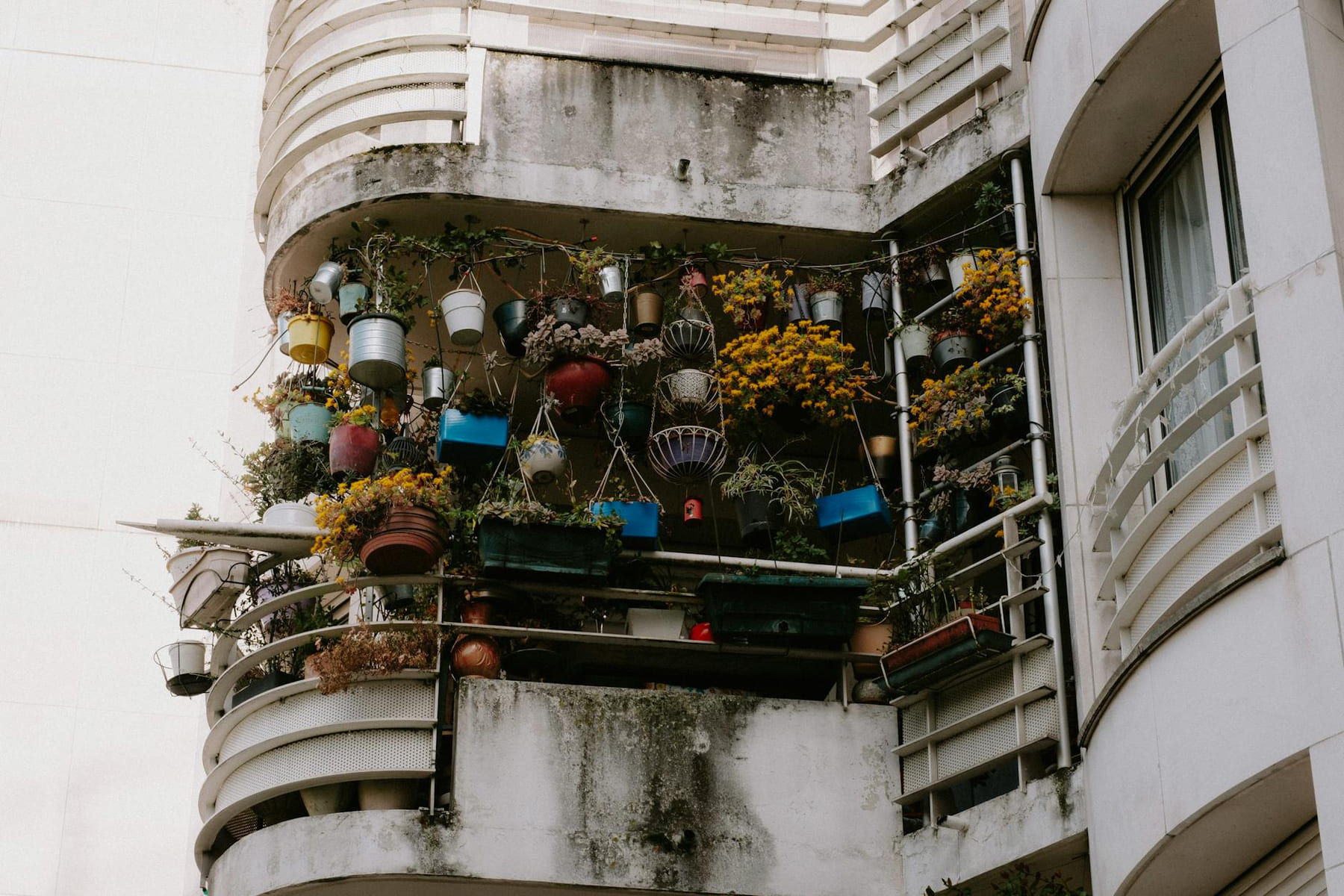
- Vertical Growing: This is non-negotiable. Trellises, hanging baskets, stacked planters - anything that utilizes vertical space is your friend. Think cherry tomatoes, cucumbers, beans, and even leafy greens.
- Compact Varieties: Don’t go for the ‘beefsteak’ tomato. Choose ‘patio’ or ‘bush’ varieties. They’re bred to be smaller and more manageable. The same goes for peppers - ‘mini bell’ or ‘sweet banana’ are excellent choices.
- Leafy Greens: Lettuce, spinach, kale, and chard are relatively easy to grow in containers and produce a significant amount of food in a small area. They also thrive in partial shade.
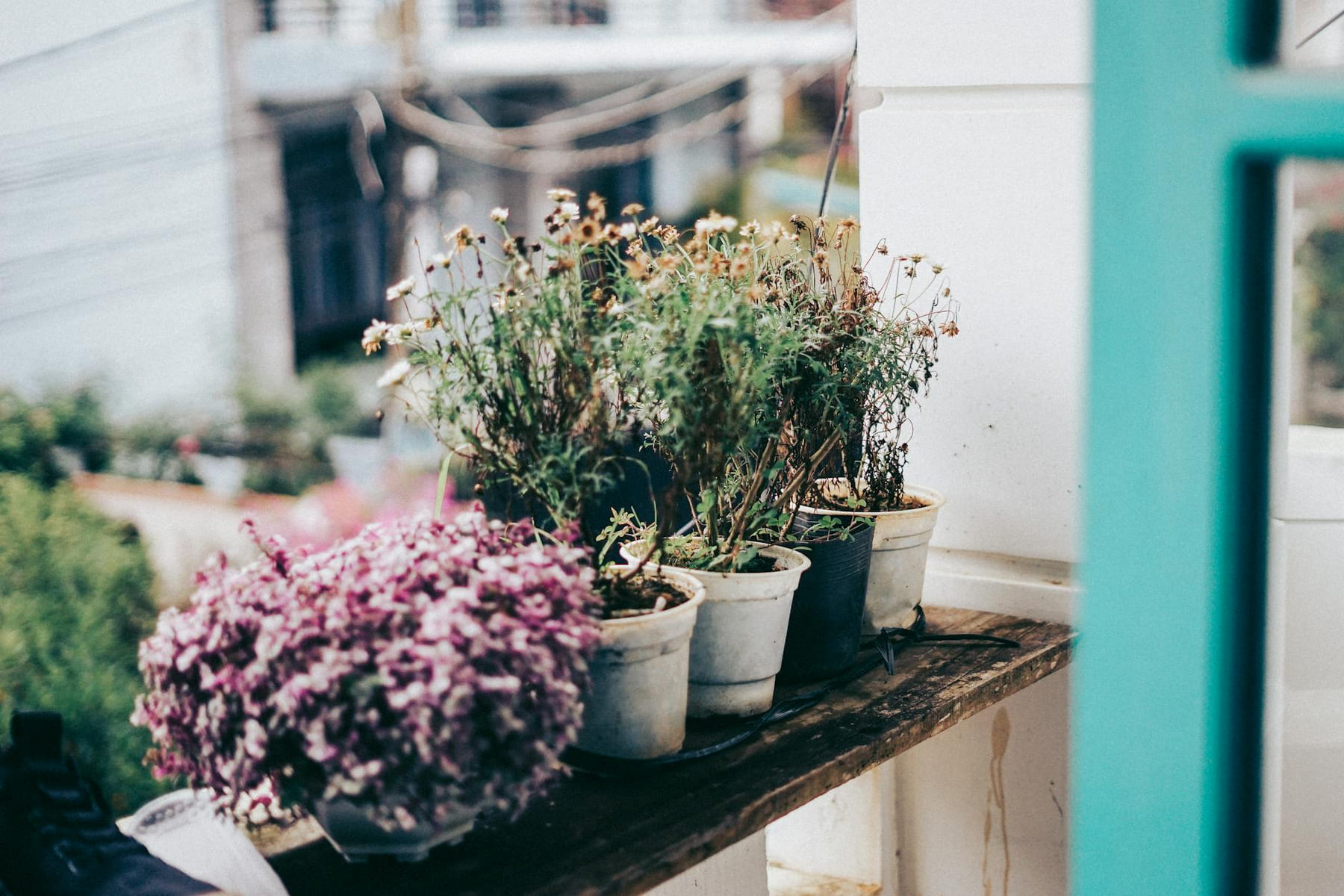
- Herbs: Basil, mint, rosemary, thyme - these are almost ridiculously easy to grow in pots and add a huge amount of flavor to your cooking.
Forget about trying to grow giant pumpkins or sprawling squash. Those simply aren’t realistic on a balcony. Focus on the crops that offer the most bang for your buck in terms of yield and space efficiency. And remember, a little bit of consistent effort is far more valuable than a huge, neglected plot.
Common Balcony Veggie Problems - And How to Tackle Them
Okay, let’s get practical. What are the things that routinely trip people up when trying to grow veggies on a balcony? Here’s a rundown of the most frequent challenges and how to address them:
- Poor Drainage: This is a huge one. Containers need drainage holes, and they need them to be *effective*. Use a well-draining potting mix - don’t use garden soil; it compacts too much. Consider adding perlite or vermiculite to improve drainage.
- Lack of Sunlight: I’ve already mentioned this, but it bears repeating. If your balcony doesn’t get enough sun, you’re going to struggle. Leafy greens and herbs are your best bet.
- Watering Issues: Containers dry out much faster than in-ground gardens. Establish a regular watering schedule - check the soil moisture daily, especially during hot weather. A simple soaker hose system can be incredibly efficient.
- Nutrient Depletion: Container plants need regular feeding. Use a balanced liquid fertilizer every two to four weeks. Don’t over-fertilize, though; it can burn the roots.
A good rule of thumb is to observe your plants closely. Yellowing leaves, stunted growth, or a lack of flowering are all signs that something isn't right. Don't just assume everything is okay - investigate and address the issue promptly.
Tradeoffs and Mistakes to Avoid
Let’s be upfront about some of the compromises you’ll need to make. Growing vegetables on a balcony isn't about replicating a traditional garden; it's about adapting to the space you have. Here are a few key tradeoffs to consider:
- Space vs. Variety: You can’t grow *everything*. Prioritize the vegetables you actually enjoy eating.
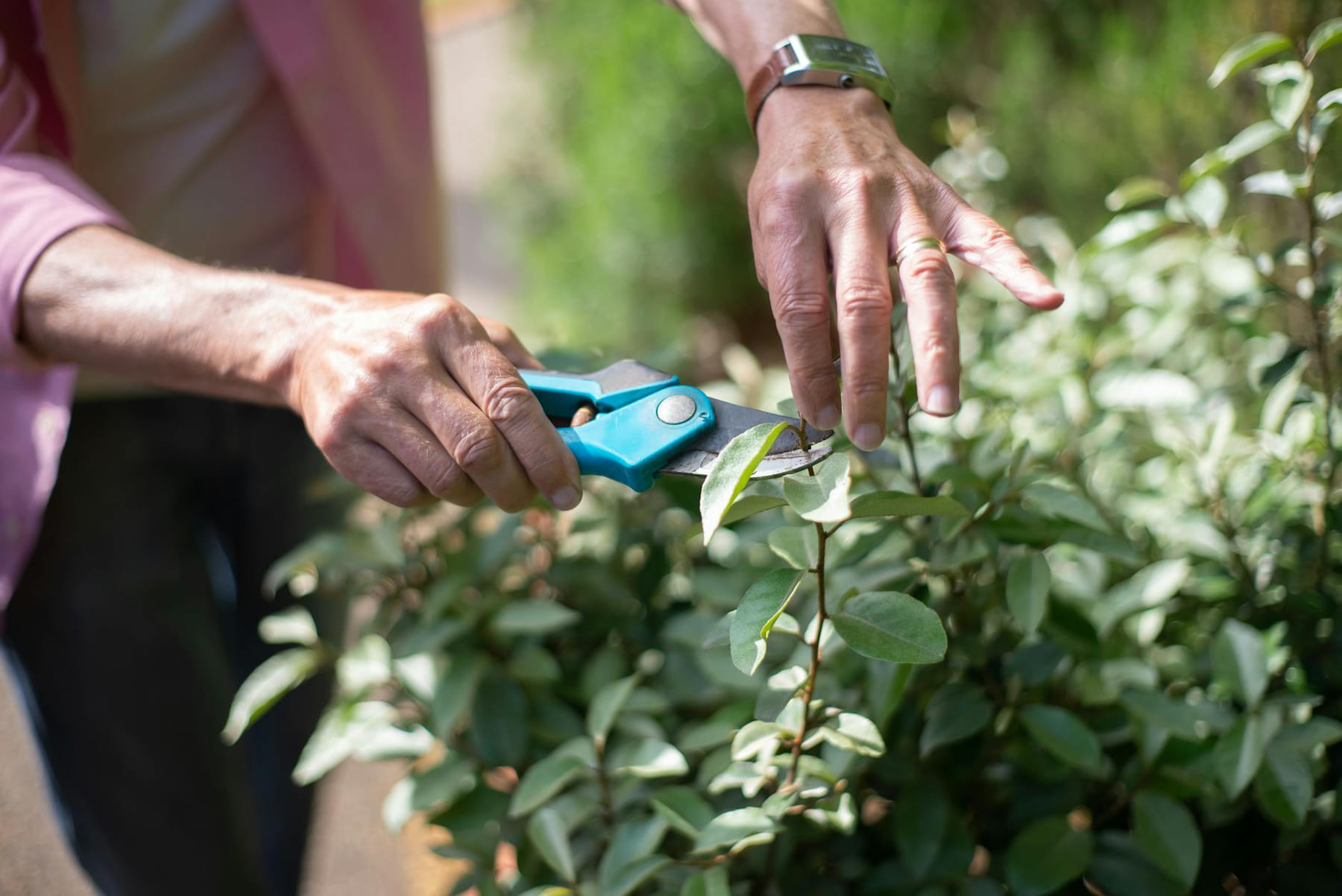
- Initial Investment vs. Long-Term Savings: While you can save money by using repurposed containers, investing in a few quality tools (a trowel, hand pruners, a watering can) will make your gardening life much easier.
- Time Commitment vs. Yield: Even the easiest vegetables require some attention. Don’t expect to leave your balcony garden to fend for itself.
A common mistake I see is over-buying. Start small, learn what works, and expand your garden gradually. Trying to do too much at once is a guaranteed path to overwhelm. And avoid buying pre-grown plants from big box stores - they’re often overpriced and not well-suited to container gardening. Starting from seed is almost always more cost-effective.
Start with what you will actually use
With Balcony Veggies, the first question is usually not which option looks best on paper. It is which part will make day-to-day life easier, smoother, or cheaper once the novelty wears off.
A lot of options sound great until you picture them in a normal week. If the setup is fussy, the routine is easy to forget, or the maintenance is annoying, the appeal fades quickly.
There is also value in keeping one part of the process deliberately simple. Readers often do better when they identify the one decision that carries the most weight and make that choice carefully before they chase smaller optimizations. That keeps momentum steady and usually prevents the topic from turning into clutter.
What tends to get overlooked
Tradeoffs are normal here. Cost, convenience, upkeep, and flexibility do not always line up neatly, so it helps to decide which tradeoff matters least to you before you commit.
This usually gets easier once you make a short list of priorities. A tighter list tends to produce better decisions than trying to solve every possible problem at once.
Another useful filter is asking what you would still recommend if the budget got tighter, the schedule got busier, or the setup had to be easier for someone else to manage. The answers to that question usually reveal which advice is durable and which advice only works under ideal conditions.
How to keep the setup simple
If you want Balcony Veggies to hold up over time, choose the version you can actually maintain. That can mean spending less, leaving out an attractive extra, or simplifying the setup so it fits ordinary life.
The version that holds up best is usually the one you can live with on an ordinary day. That often matters more than the version that only feels good when you have extra time, energy, or money.
That is why the best next step is often a modest one with a clear upside. You want something specific enough to act on, flexible enough to adjust, and practical enough that you would still recommend it after the first burst of enthusiasm fades.
Keep This Practical
Garden progress usually comes from one condition getting a little better: light, watering, soil, or plant choice. Start with the factor that would make the biggest difference in the space you have.