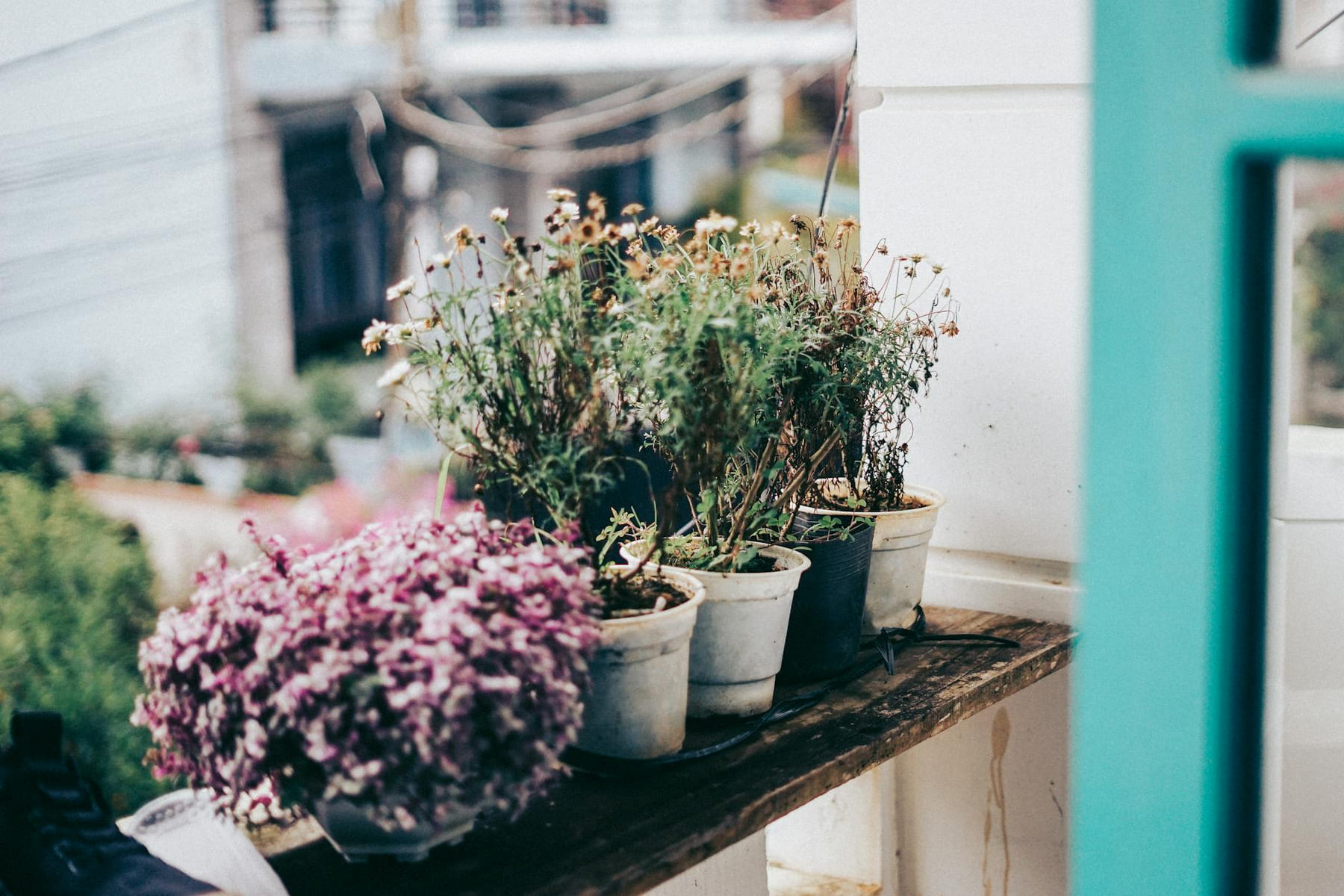
Flowers That can be easier to approach when you start with a few practical basics.
- Partial Shade (3-6 hours of direct sunlight): This is the sweet spot for many flowering plants. You’ll find plenty of options here, including begonias and impatiens.
- Shade (Less than 3 hours of direct sunlight): Don’t despair! There are still lovely flowers that will thrive in shadier spots, like pansies and violas. To figure out how much sun your balcony gets, simply observe it throughout the day. Pay attention to where the sun hits at different times. A quick online search for “balcony sunlight guide” will also offer helpful diagrams and tips - you can find a good example here: .
Space-Saving Stars: Compact and Trailing Varieties (Flowers That)
- Petunias: Seriously, these are a balcony staple. Wave petunias are particularly popular for their vibrant colors and trailing habit. Trailing varieties are especially good at filling out containers.
- Calibrachoa: Often mistaken for petunias, calibrachoa offer a wider range of colors and bloom more consistently. They’re incredibly low-maintenance and add a real pop of brightness.
- Lobelia: These delicate flowers produce stunning, cascading spikes of blue, purple, or white blooms. They’re perfect for hanging baskets and trailing containers.
- Trailing Geraniums: A classic for a reason! They’re heat-tolerant, come in a huge range of colors, and offer beautiful foliage as well as flowers.
Top Flower Recommendations for 2026
Okay, let’s get down to specifics. Here are some of the best flowers for balconies in 2026, broken down by their strengths:
- Petunias: Petunias are incredibly versatile. You’ll find everything from single-color blooms to bi-color combinations. They’re relatively easy to care for, just water regularly and deadhead (remove spent flowers) to encourage more blooms.
- Calibrachoa: These little darlings are known for their long-lasting blooms and wide color range. When planting in containers, make sure the pot has good drainage - they don’t like soggy roots.
- Lobelia: Lobelia adds a touch of ethereal beauty to any balcony. Their delicate, trailing habit makes them ideal for hanging baskets.
- Geraniums (Trailing): These are tough cookies! They tolerate heat well and offer a classic, cheerful appearance. The foliage adds interest even when the flowers aren’t in bloom.
- Begonias (Compact): Many begonias come in compact varieties that are perfect for containers. They offer many colors and textures, and some even have beautiful foliage.
- Impatiens: If you're looking for continuous blooms, impatiens are your go-to. They thrive in shade and come in a huge range of colors. New hybrid varieties are offering even more vibrant and disease-resistant options.
- Pansies/Violas: These cool-season favorites are perfect for adding a splash of color to your balcony in the spring and fall. They come in a huge range of colors and are surprisingly easy to grow.
Container Care Essentials & Maintenance
Choosing the right flowers is only half the battle. Proper container care is crucial for success.
- Pot Size & Drainage: Don’t overcrowd your plants! Choose a pot that’s appropriately sized for the plant’s mature size. Most importantly, make sure it has drainage holes to prevent root rot.
- Potting Mix: Use a potting mix specifically formulated for containers. Garden soil is too heavy and compacts easily.
- Watering: Water deeply when the top inch of soil feels dry. The frequency will depend on the weather and your plant type.
- Fertilizing: Container plants need regular feeding. Use a balanced liquid fertilizer every 2-4 weeks.
- Deadheading: Removing spent flowers encourages more blooms. Simply snip off the faded blossoms just below the flower head.
- Pest Control: Keep an eye out for pests like aphids and spider mites. A quick spray of soapy water can often do the trick.
Maximizing Your Balcony Space: Vertical Gardening
Don’t let a small balcony limit your options! Vertical gardening is a fantastic way to add more growing space. Consider these ideas:
- Trellises: Perfect for climbing flowers like morning glories or clematis.
- Hanging Planters: Add a cascade of flowers to your balcony.
- Stacked Planters: Create a multi-tiered display.
- Wall-Mounted Containers: A stylish way to add greenery to your walls.
Focus on the part that solves the problem
In a topic like Small Space Gardening, the strongest starting point is usually the one you will notice and use right away. That is often more helpful than adding extra features too early.
Before spending more, it is worth checking the setup, upkeep, and learning curve. Small hassles matter here because they are usually what decide whether something stays useful or gets ignored.
It is easy to underestimate how much clarity comes from removing one unnecessary layer. In practice, trimming one complication often does more for Balcony Blooms: Flowers That Thrive than adding one more feature, one more product, or one more clever workaround.
Where extra features get in the way
Another easy trap is copying a setup that made sense for someone with a different routine, budget, or tolerance for maintenance. In Small Space Gardening, that mismatch is often what makes a promising idea feel frustrating later.
A lot of options sound great until you picture them in a normal week. If the setup is fussy, the routine is easy to forget, or the maintenance is annoying, the appeal fades quickly.
There is also value in keeping one part of the process deliberately simple. Readers often do better when they identify the one decision that carries the most weight and make that choice carefully before they chase smaller optimizations. That keeps momentum steady and usually prevents the topic from turning into clutter.
What makes the choice hold up
A better approach is to break Balcony Blooms: Flowers That Thrive into smaller decisions and solve the highest-friction part first. Testing one practical change usually teaches more than trying to perfect everything in a single pass.
Leave a little room to adjust as you go. A setup that works in one budget range, season, or routine might need a small change later, and that is usually normal rather than a sign you got it wrong.
If this topic still feels crowded or overcomplicated, that is usually a sign to narrow the decision, not a sign that you need more noise. One careful adjustment, followed by honest observation, tends to teach more than another round of abstract tips.
How to keep the routine manageable
A grounded next step is usually better than a dramatic one. Pick one realistic change, see how it works in normal life, and let that result guide the next decision.
The version that holds up best is usually the one you can live with on an ordinary day. That often matters more than the version that only feels good when you have extra time, energy, or money.
That is why the best next step is often a modest one with a clear upside. You want something specific enough to act on, flexible enough to adjust, and practical enough that you would still recommend it after the first burst of enthusiasm fades.
Keep This Practical
If you want the advice here to stick, turn it into one change you can observe over the next week or two. Plants tend to reward steady adjustments more than dramatic resets.
Tools Worth A Look
These recommendations are most helpful if you want tools or supplies that make a small-space garden easier to grow and maintain.
- Small Space GardeningMini Farming: Self-Sufficiency on 1/4 AcreThe Practical Permaculture Project: Connect to Nature and Discover the Best Organic Soil and Water Management TechniquesThe Old Farmer's Almanac Vegetable Gardener’s Handbook: Essential Step-by-Step Advice for Growing Vegetables and Achieving SuccessHow to Grow Flowers in Small Spaces: An Illustrated Guide to Planning, Planting, and Caring for Your Small Space Flower Garden
Some of the links on this page are Amazon affiliate links, which means I may earn a small commission if you make a purchase through them. As an Amazon Associate, I earn from qualifying purchases.
Related ReadingMore from Urban Sprout Corner
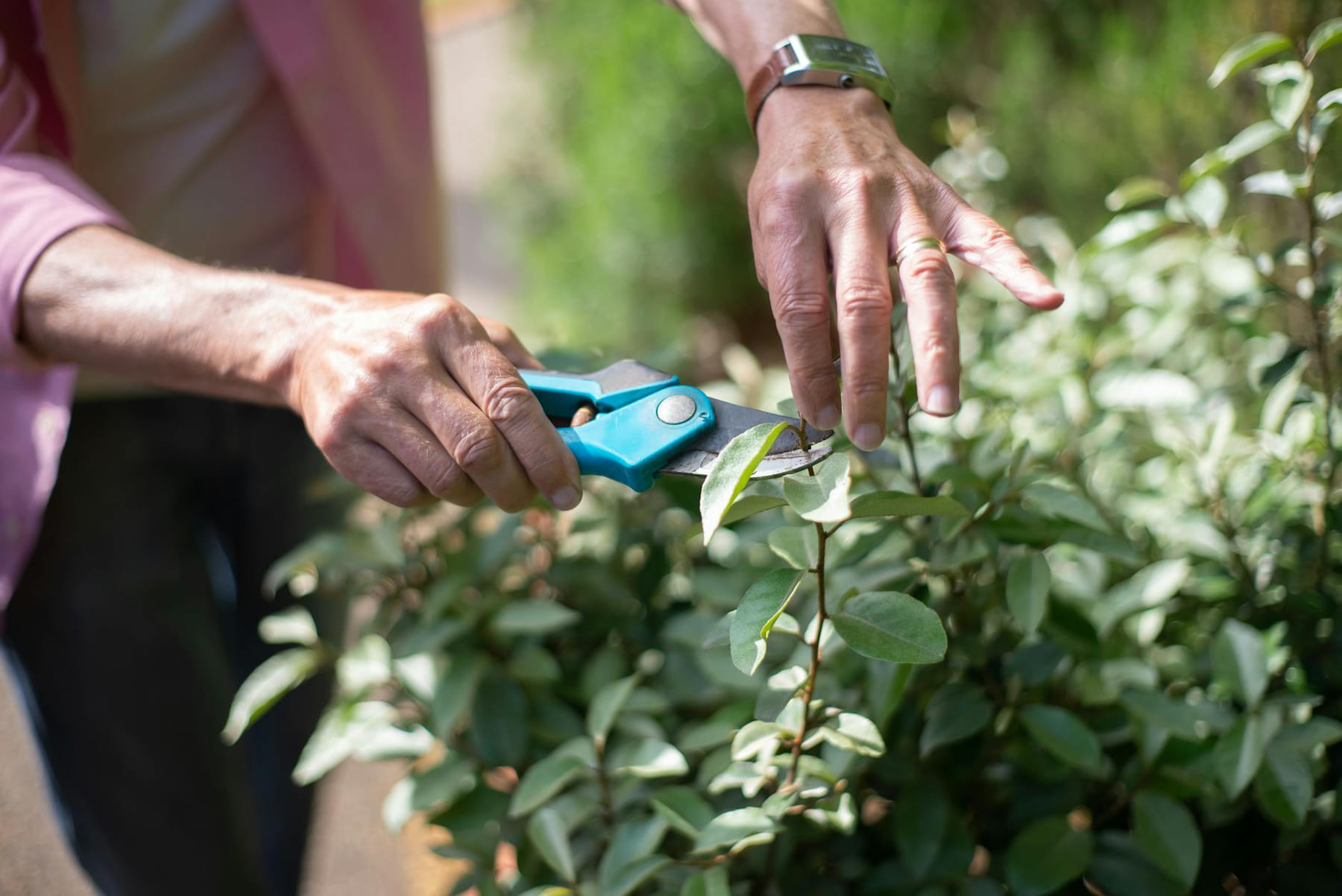
Balcony Pruners: What to Look For
Best Pruners for Balcony Gardens: Grow a Thriving Oasis
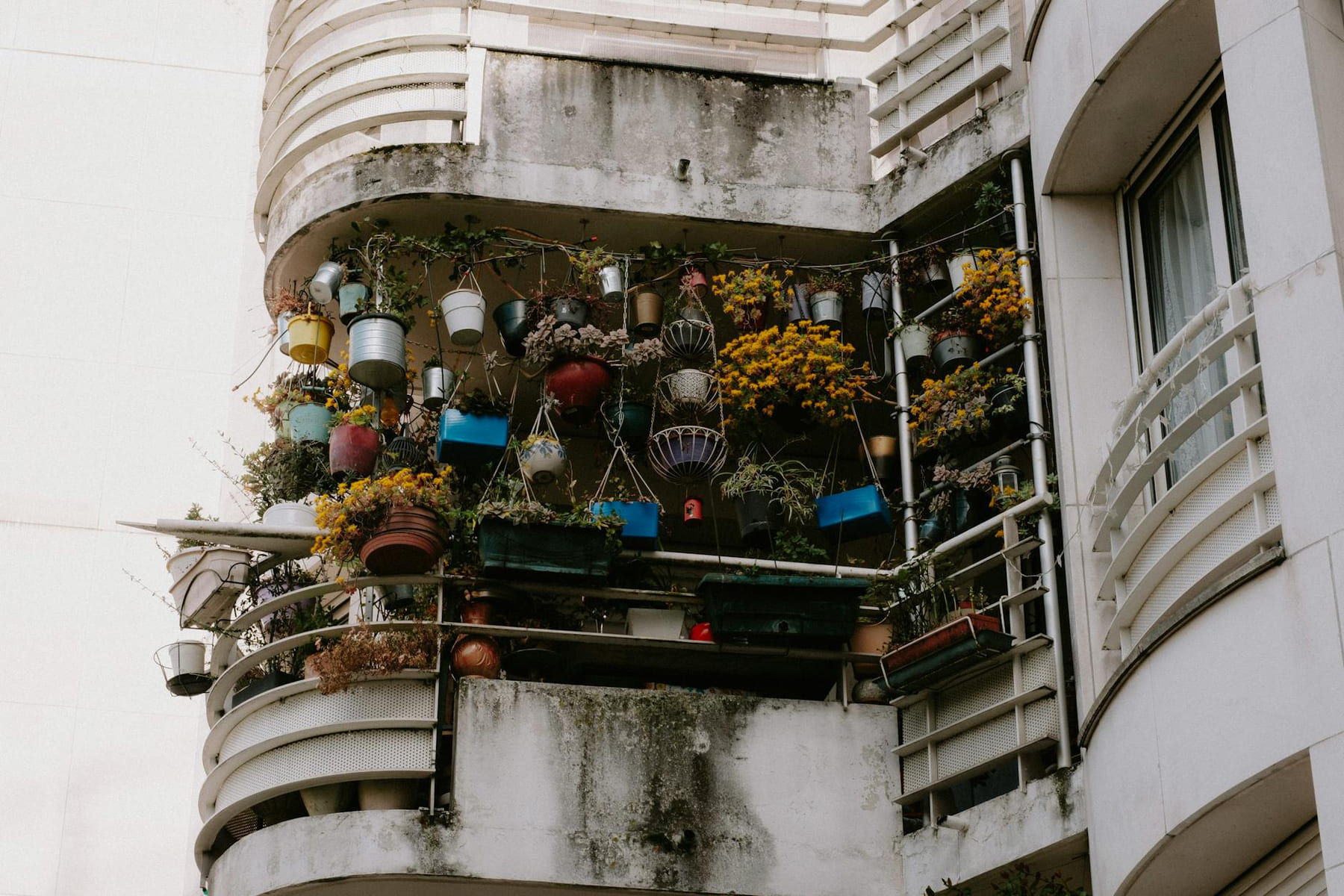
Balcony Veggies: Solving Common Plot Problems
Balcony Vegetable Plots Troubleshooting - Urban Sprout Corner Balcony Vegetable Plots Troubleshooting: Turning Your Tiny Space into a Bounty Welcome back to Urban.
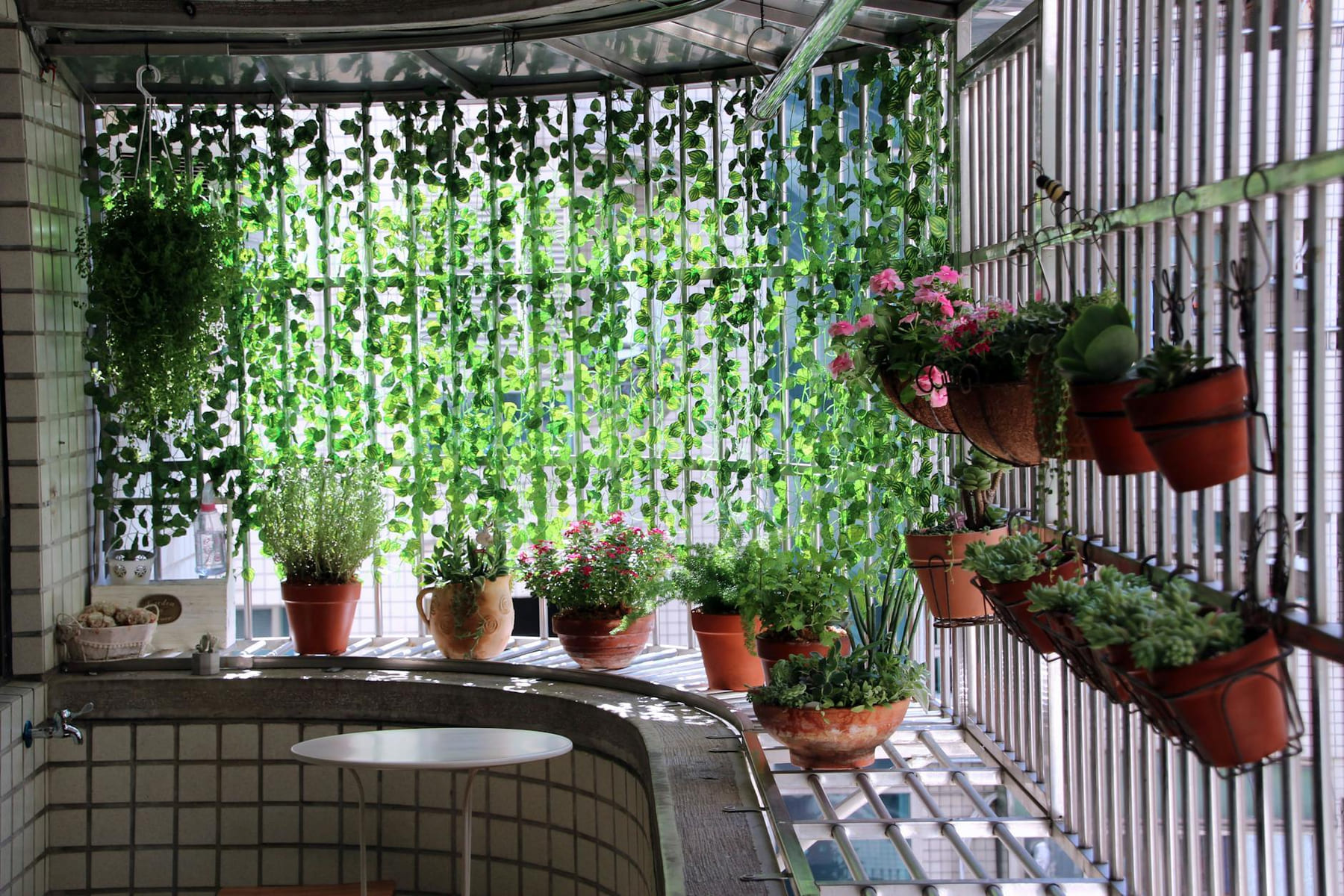
Balcony Veggies: A Step-by-Step Start
Balcony Vegetable Plots Step by Step - Urban Sprout Corner Balcony Vegetable Plots Step by Step: Grow Your Own Bounty, Even in the City Let’s face it: city living.