Best Pruners for Balcony Gardens: Grow a Thriving Oasis
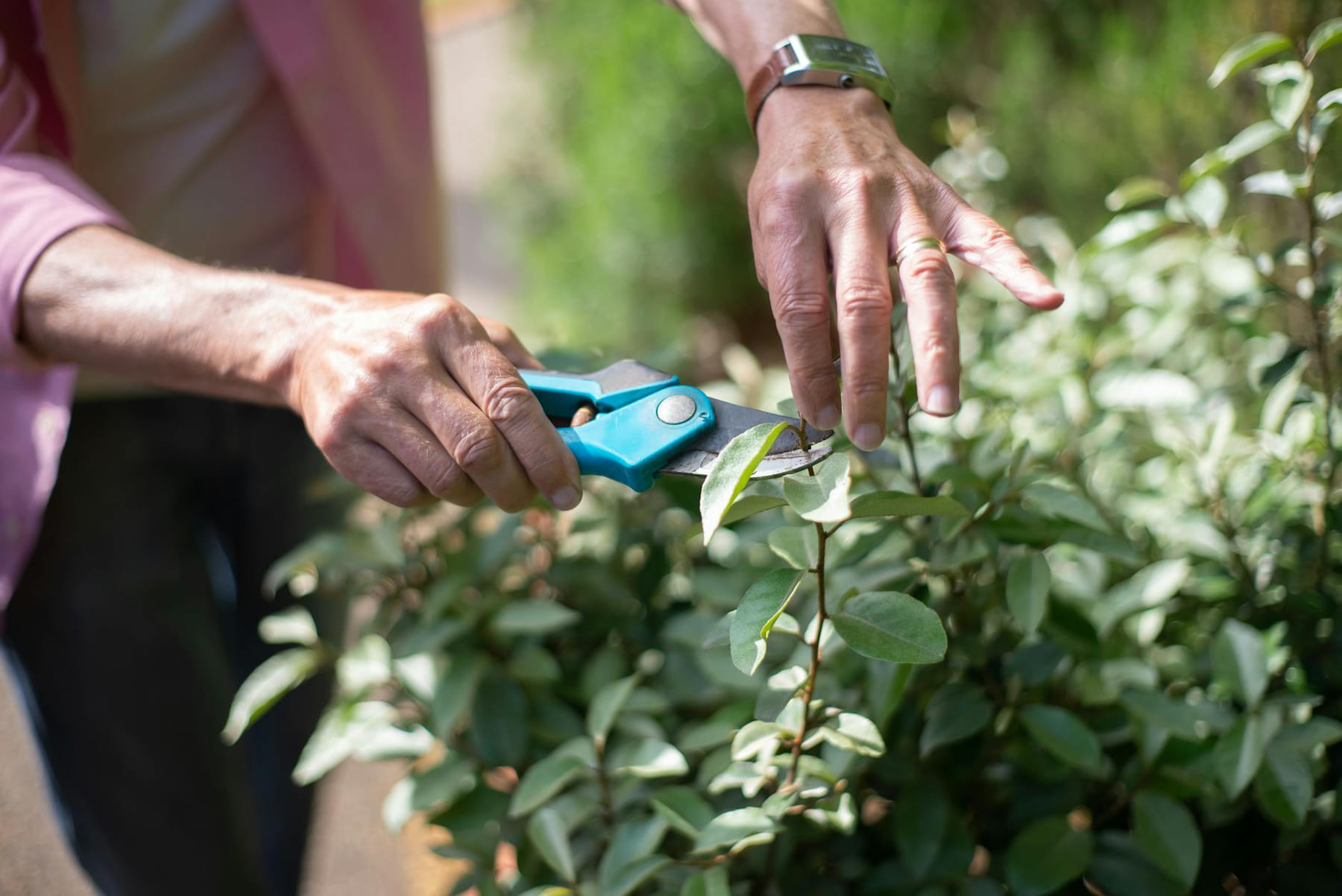
to Look For can be easier to approach when you start with a few practical basics. Balcony gardening offers a surprisingly rewarding way to connect with nature, even if you’re limited by space. But to truly thrive, your plants need proper care, and that starts with the right tools. Pruning is a cornerstone of healthy plant growth - it encourages new shoots, improves airflow, removes diseased or dead material, and ultimately, boosts your harvest. Choosing the right pruners is absolutely crucial, and it’s far more than just picking a pair of scissors. This guide will walk you through everything you need to know to select the best pruners for your small-space balcony garden, covering ergonomics, durability, maintenance, and even plant-specific pruning tips.
Understanding Your Pruning Needs (to Look For)
Before diving into specific recommendations, let’s talk about what makes a good pruner for balcony gardening. It’s not just about size; it’s about the overall experience. A comfortable, well-designed tool will make pruning a joy, not a chore. Let’s break down the key features to look for:
- Ergonomic Handles: A comfortable grip is absolutely essential. Think about how you’ll be using the pruners - will you be pruning for extended periods? Look for handles shaped to fit your hand naturally and provide a secure hold. Padding or textured grips can significantly reduce hand fatigue, especially if you’re tackling a large pruning task. Consider the material too - rubberized handles offer excellent grip, even when wet.
- Sharp Blades and Maintenance: Dull blades are the enemy of a healthy plant. They crush stems instead of cleanly cutting, leading to disease and stunted growth. Investing in a good quality pruner with sharp blades is worth every penny. You’ll also need to sharpen them regularly - a sharpening stone or honing steel will keep your pruners in top condition. Don’t just rely on occasional sharpening; a quick honing session before each pruning session can dramatically improve your results.
- Durability: Balconies can be tough environments - exposed to the elements (sun, rain, wind), and occasionally dropped. Choose pruners made from durable materials like stainless steel or hardened carbon steel for longevity. Look for solid construction and avoid flimsy plastic parts that are prone to breaking.
- Blade Type: Bypass vs. Anvil: This is a critical distinction. Bypass pruners have blades that slide past each other, creating a clean cut that minimizes damage to the plant. They're ideal for most pruning tasks. Anvil pruners have a stationary blade that closes down on the stem. While they can be more durable, they tend to crush stems, which isn’t ideal for delicate plants.
Top Pruner Picks for Small Spaces
Let’s get down to some specific recommendations. These are tools that consistently get good reviews and are well-suited for the demands of balcony gardening. We’ve considered both budget and performance.
- Micro-Cut Balcony Secateurs: Around $35. These are consistently praised for their small size, lightweight design, and incredibly sharp blades. They’re often marketed as “mini secateurs,” and for good reason. Users say they’re perfect for delicate herbs like basil and mint, and smaller tomato plants. The pros? They’re incredibly easy to use, lightweight, and cut cleanly, minimizing damage to the plant. The cons? Some users find the handles a little small for larger hands - consider this if you have larger hands or a particularly strong grip.
- Pocket Prune Pro: Approximately $50. This is a slightly larger option, but still very compact and easily fits in a gardening bag or even a pocket. It’s known for its robust construction and comfortable grip, often featuring a cushioned handle. Users love that it feels solid and well-made, offering a reassuring level of durability. Downsides? It’s a bit pricier than some other options, but the quality justifies the investment for many gardeners.
- Fold-Away Garden Shears: Roughly $28. These folding pruners are fantastic for portability and storage - perfect for small balconies. They’re lightweight and easy to stow away when not in use, maximizing space. The main drawback is that they’re not quite as sharp as bypass pruners, so they require a bit more care and maintenance - sharper honing is needed more frequently. They are a good option for occasional use and budget-conscious gardeners.
- Felco Pruning Shears: (Around $80 - $120) - A premium choice. Felco shears are renowned for their exceptional sharpness and clean cuts. They’re built to last and are a great investment for serious balcony gardeners. They require a bit of a learning curve to master, but the results are worth it.
Plant Type, Plant Pruner: A Quick Guide
Different plants have different pruning needs. Here’s a quick guide to help you select the right pruners for the job:
- Tomatoes: Larger bypass pruners - you’ll be removing suckers (the small shoots that grow between the main stem and branches) and shaping the plant to encourage fruit production.
- Herbs (Basil, Mint, Rosemary): Smaller, more delicate bypass pruners - precision is key here to avoid damaging the leaves.
- Strawberries: Small bypass pruners - for removing runners (the stems that produce new plants) and encouraging fruit production.
- Peppers: Medium-sized bypass pruners - for removing crowded leaves and shaping the plant to improve airflow and fruit development.
- Leafy Greens (Lettuce, Spinach, Kale): Small bypass pruners - for harvesting outer leaves and promoting new growth.
- Roses: Specialized rose pruners (with curved blades) are best for removing dead or diseased wood and shaping the plant.
Keeping Your Pruners in Shape - A Detailed Guide
Proper maintenance is crucial for keeping your pruners sharp and effective. Neglecting this will lead to dull blades and frustrating pruning experiences. Here’s a breakdown of how to care for your pruners:
- Immediate Cleaning: Always clean your pruners immediately after use with warm, soapy water. This removes sap, plant debris, and bacteria that can cause rust.
- Thorough Drying: Dry your pruners *completely* - don’t just wipe them. Moisture is a breeding ground for rust.
- Lubrication: Apply a light coating of oil (mineral oil or a specialized pruner oil) to the blades and pivot points. This prevents rust and keeps the blades moving smoothly.
- Sharpening: Sharpen your blades regularly - a few strokes on a sharpening stone every few weeks will make a world of difference. For a quick touch-up, use a honing steel. There are many online tutorials demonstrating proper sharpening techniques.
- Storage: Store your pruners in a dry place, ideally with a blade guard to protect the blades.
Advanced Pruning Techniques (Optional)
For more experienced balcony gardeners, consider learning about techniques like pinching back herbs to encourage bushier growth, or pruning fruit trees to maintain shape and maximize fruit production. Understanding the specific needs of your plants will elevate your balcony garden to the next level.
Final Thoughts
Keep This Practical
The best small-space gardening moves are practical and repeatable. Pick the plant, container, or routine that matches your real conditions instead of forcing the ideal version.
Tools Worth A Look
The products here work best when they support healthy plants and simpler routines in the space you actually have.
- KOL 4-Tier Mini Greenhouse - PVC Clear Cover & Steel Frame - Portable Small Green HouseThe Vegetable Gardeners Container Bible: How to Grow a Bounty of Food in Pots, Tubs, and Other ContainersBeginner's Guide to Successful Container Gardening: Grow Your Own Food in Small Places!Ahopegarden Indoor Garden Hydroponics Growing SystemThe Old Farmer's Almanac Vegetable Gardener’s Handbook: Essential Step-by-Step Advice for Growing Vegetables and Achieving Success
Some of the links on this page are Amazon affiliate links, which means I may earn a small commission if you make a purchase through them. As an Amazon Associate, I earn from qualifying purchases.
Related ReadingMore from Urban Sprout Corner
Balcony Blooms: Flowers That Thrive
Flowers That can be easier to approach when you start with a few practical basics.

Balcony Veggies: Solving Common Plot Problems
Balcony Vegetable Plots Troubleshooting - Urban Sprout Corner Balcony Vegetable Plots Troubleshooting: Turning Your Tiny Space into a Bounty Welcome back to Urban.
Balcony Veggies: A Step-by-Step Start
Balcony Vegetable Plots Step by Step - Urban Sprout Corner Balcony Vegetable Plots Step by Step: Grow Your Own Bounty, Even in the City Let’s face it: city living.