The Best Potting Mix for Vegetables: A Small Space Gardener’s Guide
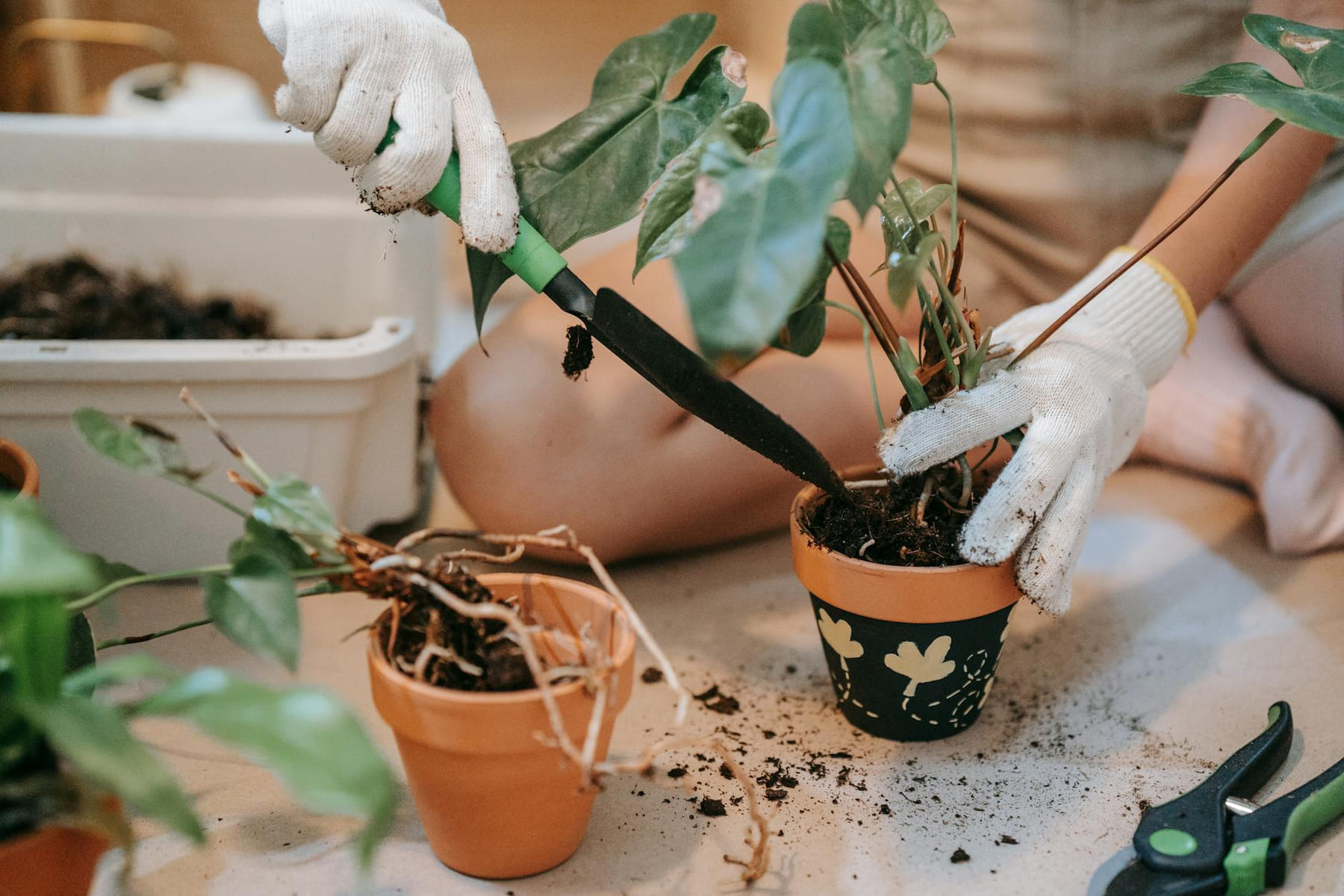
Container gardening is a fantastic way to grow fresh vegetables, even if you’re short on space. But a common mistake new gardeners make is overlooking the importance of the potting mix itself. Simply using garden soil in containers is a recipe for disaster - it compacts, doesn’t drain well, and can harbor pests and diseases. Choosing the right potting mix is absolutely crucial for healthy vegetable growth, and it’s a surprisingly nuanced topic. Let’s dive into the key ingredients and how to select the best potting mix for your small-space vegetable garden.
Understanding the Building Blocks: Key Ingredients
A truly effective potting mix isn’t just about throwing a bunch of stuff together. It’s a carefully crafted blend designed to mimic the conditions your vegetables need to thrive. Here’s a breakdown of the most important components:
- Perlite: These little white, volcanic glass pebbles are your drainage heroes. They create air pockets in the mix, allowing excess water to escape quickly. Without perlite, your roots can easily become waterlogged, leading to root rot. Think of it as creating tiny reservoirs for air around the roots.
- Vermiculite: This mineral expands when heated, adding moisture retention and buffering the mix to help stabilize nutrient levels. It’s like a sponge for water and nutrients, holding onto them and slowly releasing them to the plant’s roots. It also helps to improve the soil's structure, making it easier for roots to penetrate.
- Coco Coir: Increasingly popular as a sustainable alternative to peat moss, coco coir is made from coconut husks. It offers similar water-holding capacity and is a much more environmentally friendly choice. It’s also naturally rich in micronutrients.
- Compost: Organic matter is the backbone of any healthy potting mix. Compost adds slow-release nutrients, improves soil structure, and encourages beneficial microbial activity. These microbes are essential for breaking down organic matter and making nutrients available to your plants. The magic happens when these ingredients are combined in the right proportions. A well-balanced mix will provide adequate drainage, retain enough moisture for the roots, and slowly release nutrients as your vegetables grow.
Vegetable-Specific Potting Mixes
Not all vegetables have the same needs. Some are “heavy feeders,” meaning they need a lot of nutrients to produce abundant yields. Others are “light feeders” and prefer a leaner mix. And root vegetables, like carrots and beets, absolutely require exceptional drainage to prevent the roots from becoming waterlogged. Here are a few mixes that are particularly well-suited for common container vegetables:
- RootBoost: (Approx. $18) This mix is formulated specifically for root vegetables and herbs. It’s a chunky blend with a high proportion of perlite, ensuring excellent drainage. It’s got a good dose of compost too, which is a bonus. The larger chunks also provide extra space for root growth.
- BloomBlend: (Approx. $15) Ideal for tomatoes, peppers, and other fruiting vegetables. BloomBlend is richer in organic matter and includes a balanced blend of nutrients. The added nutrients are crucial for the rapid growth and fruit production of these plants.
- Light & Lush: (Approx. $12) Perfect for leafy greens like lettuce and spinach. This mix is lighter and more airy, promoting strong root development without excessive nutrient buildup. The airy structure prevents the roots from becoming suffocated by a dense mix.
DIY vs. Pre-Mixed - What’s Right for You?
Making your own potting mix is definitely a budget-friendly option, especially if you have access to compost. A simple recipe to get you started is: 1 part peat moss (or coco coir), 1 part perlite, and 1 part compost. It’s a good starting point, but it’s hard to get the exact balance right without experimenting. You’ll likely need to adjust the ratios based on your climate and the specific vegetables you’re growing. For example, a warmer climate might benefit from a slightly higher perlite content to improve drainage.
Pre-mixed potting mixes are incredibly convenient and often formulated with the specific needs of different vegetables in mind. They’re also usually a more consistent quality than you can achieve on your own. They’re often tested for pH levels and nutrient content, ensuring a more predictable outcome. If you’re new to container gardening, I’d recommend starting with a pre-mixed option - it will save you time and guesswork. Don’t be afraid to read the label carefully to understand the mix’s composition and nutrient levels.
Maintaining Healthy Potting Mix
Even the best potting mix needs a little care. Over time, it can become compacted, reducing drainage. This is a very common problem, especially in containers. You’ll start to notice signs like water pooling on the surface or the soil feeling hard and dense. A simple way to check is to squeeze a handful - if it holds its shape tightly, it’s likely compacted.
Nutrient deficiencies can also manifest as yellowing leaves or stunted growth. To keep your potting mix healthy, regularly feed your vegetables with a balanced fertilizer. Choose a fertilizer formulated for vegetables and follow the instructions carefully. Top-dressing with a layer of compost every few months will replenish nutrients and improve soil structure. Adding a handful of worm castings is another excellent way to boost nutrient levels.
And don’t be afraid to repot your plants every couple of years - fresh potting mix is always a welcome treat! When repotting, gently loosen the roots and remove any circling roots. This encourages healthy root growth.
Signs of a Problematic Potting Mix
Beyond compaction and nutrient deficiencies, here are some other telltale signs that your potting mix needs attention:
- Slow Growth: If your plants aren’t growing as vigorously as you’d expect, it could be a sign of poor drainage or nutrient limitations.
- Root Rot: Yellowing, mushy roots are a classic symptom of overwatering and poor drainage.
- Algae Growth: A green or slimy layer on the surface of the potting mix indicates excessive moisture and sunlight.
Conclusion
Choosing the right potting mix for vegetables in small spaces is a surprisingly important step towards success. Remember, it’s all about finding the right balance of drainage, nutrient content, and ingredient composition. By understanding these basics, you'll be well on your way to enjoying a bountiful harvest, no matter how limited your growing area. Give one of the recommended mixes a try and let me know how it goes - I’d love to hear about your results!
Frequently Asked Questions (FAQ)
- How often should I fertilize my vegetables in potting mix? Generally, every 2-4 weeks, depending on the plant’s needs and the fertilizer’s strength.
- Can I reuse potting mix? It’s best to avoid reusing potting mix repeatedly, as it loses its nutrients and beneficial microbes over time.
- What’s the best type of compost to use? Well-rotted compost is ideal. Avoid using fresh manure, as it can burn plant roots.
Keep This Practical
The best small-space gardening moves are practical and repeatable. Pick the plant, container, or routine that matches your real conditions instead of forcing the ideal version.
Tools Worth A Look
The products here work best when they support healthy plants and simpler routines in the space you actually have.
- High Yield, Small Space Organic Gardening: Practical Tips for Growing Your Own FoodVertical Gardening: A Complete Guide to Growing Food, Herbs, and Flowers in Small SpacesAoodor 4 x 4 x 1 ft Galvanized Raised Garden Bed, Mini Greenhouse Kit6x3x2FT Galvanized Raised Garden BedContainer Gardening for Small Spaces: The Beginner’s Guide to Growing Vegetables and Herbs in Pots and Balconies
Some of the links on this page are Amazon affiliate links, which means I may earn a small commission if you make a purchase through them. As an Amazon Associate, I earn from qualifying purchases.
Related ReadingMore from Urban Sprout Corner
Vegetable Friends: Companion Flowers for Your Garden
Let’s Talk Gardens! - Boosting Your Small Space Vegetable Garden with Companion Flowers Welcome to Urban Sprout Corner! If you’re anything like me, you’re dreaming.
Small Space Blooms: Compact Garden Ideas
Tiny Spaces, Big Harvests: Your Guide to Budget-Friendly Small Garden Ideas Living in the city doesn’t mean you have to say goodbye to the joy of growing your own.
Small Garden Style: Decorating Tiny Spaces
Another easy trap is copying a setup that made sense for someone with a different routine, budget, or tolerance for maintenance. In Small Space Gardening, that.