If you are sorting through Let’s Talk Gardens! - Boosting Your Small Space Vegetable Garden with Companion Flowers, start by matching the advice to the problem you are actually trying to solve.
Welcome to Urban Sprout Corner! If you’re anything like me, you’re dreaming of a vibrant, productive garden, even if you’re limited by a balcony, patio, or a tiny patch of yard. That’s where companion planting comes in - and it’s a game-changer, especially when you’re working with a small space. It’s a surprisingly simple, yet incredibly powerful technique that can dramatically improve your yields, deter pests, and even enhance the overall health of your vegetables.
Companion planting, at its core, is the practice of strategically planting different species together that benefit each other. It’s based on the idea that plants can communicate and interact, either positively or negatively. Forget the idea of just throwing seeds in and hoping for the best; with a little planning, you can create a miniature ecosystem that works for you.
This article will dive into the wonderful world of companion flowers for vegetables, exploring specific pairings, explaining the ‘why’ behind them, and giving you practical tips to implement them in your own small-space garden. Don’t be intimidated - it’s easier than you think, and the rewards are well worth the effort.
The Science Behind the Synergy
Before we jump into specific pairings, let’s understand why companion planting works. There are several key mechanisms at play:
- Pest Deterrence: Certain flowers emit scents or colors that repel common vegetable pests. For example, marigolds are notorious for deterring nematodes and whiteflies, while nasturtiums act as a trap crop, attracting aphids away from your more vulnerable plants.
- Attracting Beneficial Insects: Many companion flowers attract pollinators like bees and butterflies, which are essential for fruit and vegetable production. They also attract beneficial insects like ladybugs, lacewings, and hoverflies, which prey on harmful pests.
- Nutrient Cycling: Some plants, like legumes (beans and peas), fix nitrogen in the soil, enriching it for other plants. Planting them alongside nitrogen-hungry vegetables like tomatoes can be incredibly beneficial.
- Shade and Support: Taller flowers can provide shade for more delicate vegetables, protecting them from scorching sun. They can also offer physical support to climbing vegetables like cucumbers and beans.
- Resisting Diseases: Certain combinations can actually suppress diseases. For instance, planting basil near tomatoes has been shown to reduce the incidence of blight.
Top Companion Flowers for Your Vegetable Patch
Now, let’s get to the good stuff! Here's a breakdown of some of the most effective companion flower pairings for your vegetable garden, broken down by the vegetables they work best with:
- Tomatoes: This is a classic pairing! Basil is arguably the *best* companion for tomatoes. It’s believed to improve tomato flavor, repel tomato hornworms, and even deter whiteflies. Marigolds are another excellent choice - their strong scent confuses pests. Borage is fantastic too; it attracts pollinators and is said to improve tomato growth. Consider adding lavender for its pest-repelling properties and beautiful fragrance.
- Peppers: Similar to tomatoes, peppers benefit from the presence of basil and marigolds. Calendula (also known as pot marigold) is a particularly good choice, attracting beneficial insects and adding a splash of color.
- Cucumbers: Nasturtiums are a superstar companion for cucumbers. They act as a trap crop, attracting aphids and other cucumber pests away from your main crop. Chamomile is also beneficial, improving cucumber growth and flavor. Dill attracts beneficial insects that prey on cucumber beetles.
- Beans & Peas: These legumes are fantastic companions for almost any vegetable. They fix nitrogen in the soil, benefiting everything around them. Marigolds and sunflowers are good choices for adding height and attracting pollinators. Consider planting borage alongside them - it’s a nutrient powerhouse.
- Carrots: Chamomile and calendula are excellent companions for carrots. They attract beneficial insects and deter carrot root flies. Dill also works well, attracting predatory insects.
- Lettuce & Spinach: Calendula and nasturtiums are great additions to lettuce and spinach beds, offering pest protection and attracting pollinators. Lavender’s fragrance can also deter cabbage moths, a common threat to leafy greens.
- Brassicas (Broccoli, Cauliflower, Kale): Marigolds, rosemary, and thyme are excellent companions for brassicas. They deter cabbage moths and other pests. Dianthus can also help to repel cabbage white butterflies.
Small Space Considerations & Creative Planting
Okay, so you're excited, but you’re working with limited space. Here’s how to make companion planting work in a tiny garden:
- Vertical Gardening: Utilize trellises, hanging baskets, and wall planters to maximize space. Climbing flowers like morning glories or clematis can provide shade and support for vining vegetables.
- Container Gardening: Companion planting is *perfect* for containers! You have complete control over the placement of your plants.
- Interplanting: Plant small amounts of companion flowers amongst your vegetables. A few strategically placed marigolds can make a big difference.
- Succession Planting: Plant flowers that bloom at different times of the year to provide continuous pest control and pollinator support.
Beyond the Flowers: Other Beneficial Companions
Don’t limit yourself to just flowers! Herbs are also fantastic companions. Basil, rosemary, thyme, oregano, and sage all offer pest-repelling properties and can benefit your vegetables. Garlic and onions are natural pest deterrents and can be planted near almost anything.
Troubleshooting & Experimentation
It’s important to remember that companion planting isn’t an exact science. What works well for one gardener might not work for another. Don’t be afraid to experiment and observe your plants closely. Keep a garden journal to track your observations - note which pairings seem to be most effective and which ones don’t.
Resources to Explore
- Garden Gate: - A great starting point for understanding the basics.
- The Old Farmer’s Almanac: - Offers detailed companion planting charts and information.
Final Thoughts
Pick the easiest win first
Most people get better results with Companion Flowers when they narrow the decision to one real problem. That could be saving time, trimming cost, reducing friction, or making the routine easier to keep up.
This usually gets easier once you make a short list of priorities. A tighter list tends to produce better decisions than trying to solve every possible problem at once.
Another useful filter is asking what you would still recommend if the budget got tighter, the schedule got busier, or the setup had to be easier for someone else to manage. The answers to that question usually reveal which advice is durable and which advice only works under ideal conditions.
The tradeoff most people notice late
One common mistake with Companion Flowers is expecting every option to solve the whole problem. In reality, some choices are better for convenience, some for reliability, and some simply for keeping the budget under control.
Before spending more, it is worth checking the setup, upkeep, and learning curve. Small hassles matter here because they are usually what decide whether something stays useful or gets ignored.
It is easy to underestimate how much clarity comes from removing one unnecessary layer. In practice, trimming one complication often does more for Companion Flowers than adding one more feature, one more product, or one more clever workaround.
Keep This Practical
The best small-space gardening moves are practical and repeatable. Pick the plant, container, or routine that matches your real conditions instead of forcing the ideal version.
Tools Worth A Look
The products here work best when they support healthy plants and simpler routines in the space you actually have.
- Small-Space Container Gardens: Transform Your Balcony, Porch, or Patio With Fruits, Flowers, Foliage & HerbsSmall Space GardeningSmall Space Garden IdeasHigh Yield, Small Space Organic Gardening: Practical Tips for Growing Your Own Food
Some of the links on this page are Amazon affiliate links, which means I may earn a small commission if you make a purchase through them. As an Amazon Associate, I earn from qualifying purchases.
Related ReadingMore from Urban Sprout Corner
Small Space Blooms: Compact Garden Ideas
Tiny Spaces, Big Harvests: Your Guide to Budget-Friendly Small Garden Ideas Living in the city doesn’t mean you have to say goodbye to the joy of growing your own.
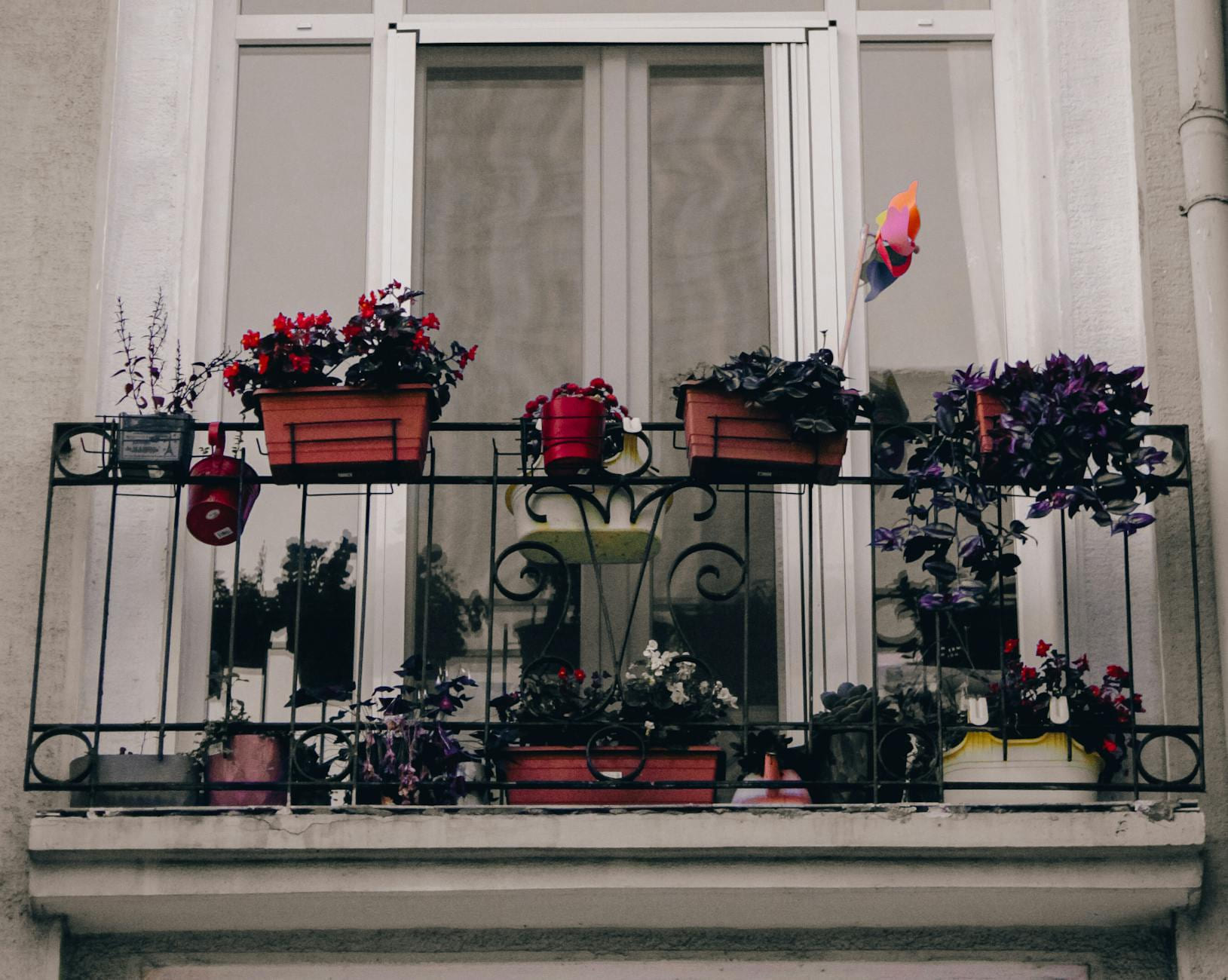
Small Garden Style: Decorating Tiny Spaces
Another easy trap is copying a setup that made sense for someone with a different routine, budget, or tolerance for maintenance. In Small Space Gardening, that.
Watering Small Gardens: Simple Spring Tips
The options that age well are usually the ones that are easy to repeat. Reliability and low hassle often matter more than the most impressive-looking feature list.