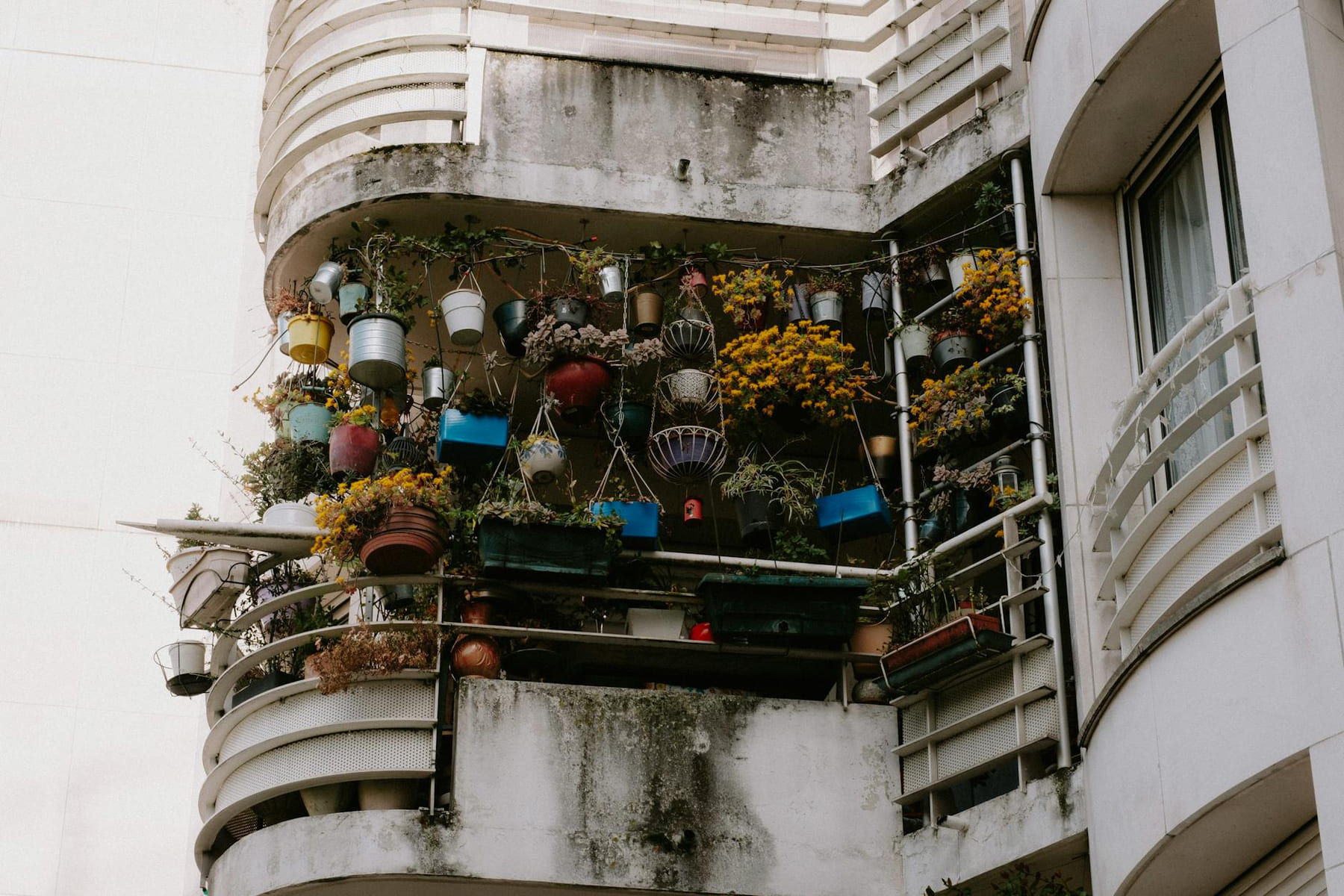
Plot Problems can be easier to approach when you start with a few practical basics. Welcome back to Urban Sprout Corner! If you’re anything like us, you’ve been dreaming of fresh, homegrown vegetables right outside your apartment door. Balcony vegetable plots are a fantastic way to bring a little bit of the countryside to the city, offering a connection to nature and a delicious supply of healthy food. But let’s be honest, things don’t always go according to plan. A soggy balcony, a persistent pest, or a plant stubbornly refusing to thrive - it’s all part of the gardening journey. Today, we’re tackling balcony vegetable plot troubleshooting, giving you the tools and knowledge to diagnose problems and get back on track. We'll cover common issues, offer practical solutions, and help you transform those frustrating moments into learning opportunities.
Diagnosis - What’s Really Going On?
Before you start throwing solutions at the problem, it’s crucial to understand why things aren’t working. Effective troubleshooting starts with observation. Don’t just assume a plant is “sick”; dig deeper. Here’s a breakdown of common issues and how to identify them:
- Yellowing Leaves: This is incredibly common and can signal a multitude of problems. It could be nutrient deficiency (especially nitrogen), overwatering, underwatering, or even pest damage. Examine the leaves closely - are they yellowing uniformly, or just on the edges?
- Wilting: Wilting is almost always a water issue. However, it can also be caused by root rot (often due to overwatering) or heat stress. Check the soil moisture - is it bone dry, or saturated?
- Stunted Growth: Stunted growth can be caused by poor soil, lack of sunlight, nutrient deficiencies, or even overcrowding. Compare the growth of your affected plant to healthy ones.
- Pests & Diseases: Look for visible insects, chewed leaves, or fungal spots. Early detection is key to preventing widespread problems.
- Poor Drainage: This is a huge one on balconies! Water pooling and soggy soil can lead to root rot and a host of other issues.
Tool Time: Keep a gardening journal! Note planting dates, watering schedules, fertilizer applications, and any observations you make about your plants. This will be invaluable when trying to pinpoint the cause of a problem.
Common Balcony Vegetable Plot Problems & Solutions
Now let’s get into the specifics. Here are some of the most frequent balcony vegetable plot challenges and how to address them:
1. Drainage Issues
As mentioned, drainage is paramount. Balconies are notorious for poor drainage. Here's what to do:
- Improve the Soil: Use a well-draining potting mix specifically designed for containers. Avoid using garden soil, which compacts easily.
- Add Perlite or Vermiculite: These amendments improve drainage and aeration.
- Install Drainage Holes (If Possible): If your containers don’t have drainage holes, drill some.
- Elevate Containers Slightly: Raising your containers a few inches off the balcony floor can improve drainage.
2. Sunlight Problems
Vegetables need at least 6-8 hours of sunlight per day. If your balcony doesn’t get enough, consider these options:
- Choose Shade-Tolerant Vegetables: Leafy greens like lettuce and spinach, and root vegetables like radishes and beets, can often thrive in partial shade.
- Reflective Surfaces: Strategically placed mirrors or reflective materials can bounce light onto your plants.
- Move Containers: If possible, move your containers to a sunnier location on your balcony.
3. Pest Infestations
Common balcony pests include aphids, whiteflies, and slugs. Here’s how to tackle them:
- Inspect Regularly: Catch infestations early.
- Handpicking: Remove pests by hand.
- Neem Oil: A natural insecticide that’s effective against many pests.
- Insecticidal Soap: Another gentle, effective option.
- Barriers: Use copper tape around containers to deter slugs and snails.
4. Nutrient Deficiencies
Vegetables need nutrients to grow. Signs of nutrient deficiencies include yellowing leaves, stunted growth, and poor fruit production. Here’s how to address them:
- Use a Balanced Fertilizer: Choose a fertilizer formulated for vegetables and follow the instructions carefully.
- Compost Tea: A great way to provide a boost of nutrients.
- Liquid Seaweed Extract: Rich in trace minerals.
5. Overwatering & Underwatering
Finding the right watering balance is crucial. Stick your finger about an inch into the soil - if it feels dry, it’s time to water. If it’s soggy, hold off. Consider a self-watering container system for added convenience.
Specific Vegetable Challenges
Different vegetables have different needs. Here's a quick look at some common issues:
- Tomatoes: Prone to blossom end rot (caused by calcium deficiency and inconsistent watering).
- Peppers: Need consistent warmth and plenty of sunlight.
- Lettuce: Bolts (goes to seed) in hot weather.
- Radishes: Need consistent moisture to grow quickly.
Maintaining a Healthy Balcony Vegetable Plot
Troubleshooting is important, but prevention is even better! Here are some ongoing maintenance tips:
- Regularly Check Plants: Spend a few minutes each day inspecting your plants for signs of problems.
- Rotate Crops: Avoid planting the same vegetables in the same spot year after year.
- Prune Regularly: Remove dead or diseased leaves.
- Mulch: Apply a layer of mulch to help retain moisture and suppress weeds.
Balcony vegetable gardening can be incredibly rewarding. Don’t be discouraged by setbacks - view them as learning opportunities. With a little observation, patience, and the right knowledge, you’ll be enjoying a thriving, delicious harvest in no time. Happy growing!
Start with what you will actually use
With Balcony Veggies: Solving Common Plot Problems, the first question is usually not which option looks best on paper. It is which part will make day-to-day life easier, smoother, or cheaper once the novelty wears off.
A lot of options sound great until you picture them in a normal week. If the setup is fussy, the routine is easy to forget, or the maintenance is annoying, the appeal fades quickly.
There is also value in keeping one part of the process deliberately simple. Readers often do better when they identify the one decision that carries the most weight and make that choice carefully before they chase smaller optimizations. That keeps momentum steady and usually prevents the topic from turning into clutter.
What tends to get overlooked
Tradeoffs are normal here. Cost, convenience, upkeep, and flexibility do not always line up neatly, so it helps to decide which tradeoff matters least to you before you commit.
This usually gets easier once you make a short list of priorities. A tighter list tends to produce better decisions than trying to solve every possible problem at once.
Another useful filter is asking what you would still recommend if the budget got tighter, the schedule got busier, or the setup had to be easier for someone else to manage. The answers to that question usually reveal which advice is durable and which advice only works under ideal conditions.
Keep This Practical
If you want the advice here to stick, turn it into one change you can observe over the next week or two. Plants tend to reward steady adjustments more than dramatic resets.
Tools Worth A Look
These recommendations are most helpful if you want tools or supplies that make a small-space garden easier to grow and maintain.
- How to Grow Flowers in Small Spaces: An Illustrated Guide to Planning, Planting, and Caring for Your Small Space Flower GardenSmall Space Garden IdeasThe Old Farmer's Almanac Vegetable Gardener’s Handbook: Essential Step-by-Step Advice for Growing Vegetables and Achieving SuccessMini Farming: Self-Sufficiency on 1/4 AcreThe Container Garden Blueprint: Easy Steps to Lush, Small-Space Gardening
Some of the links on this page are Amazon affiliate links, which means I may earn a small commission if you make a purchase through them. As an Amazon Associate, I earn from qualifying purchases.
Related ReadingMore from Urban Sprout Corner
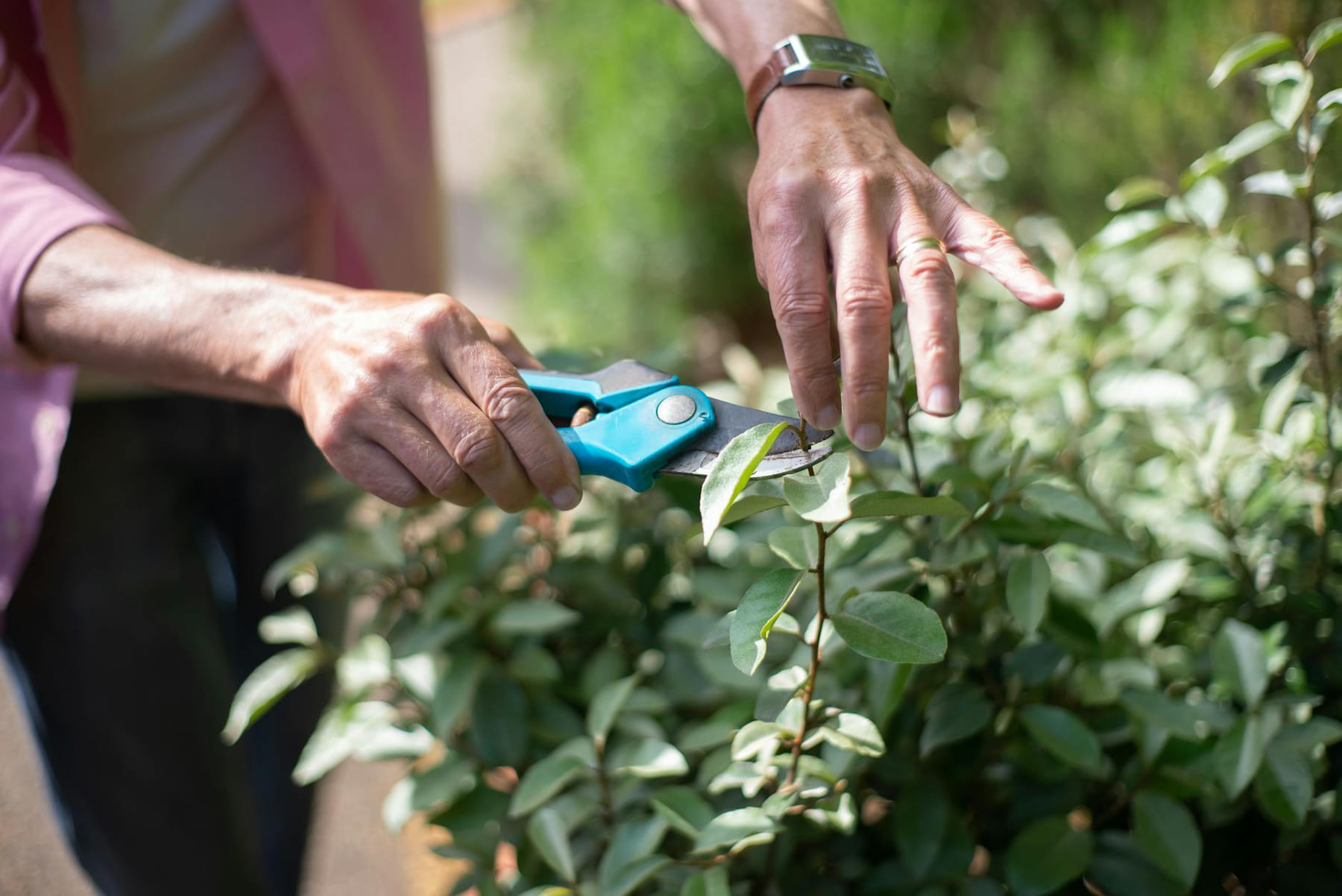
Balcony Pruners: What to Look For
Best Pruners for Balcony Gardens: Grow a Thriving Oasis
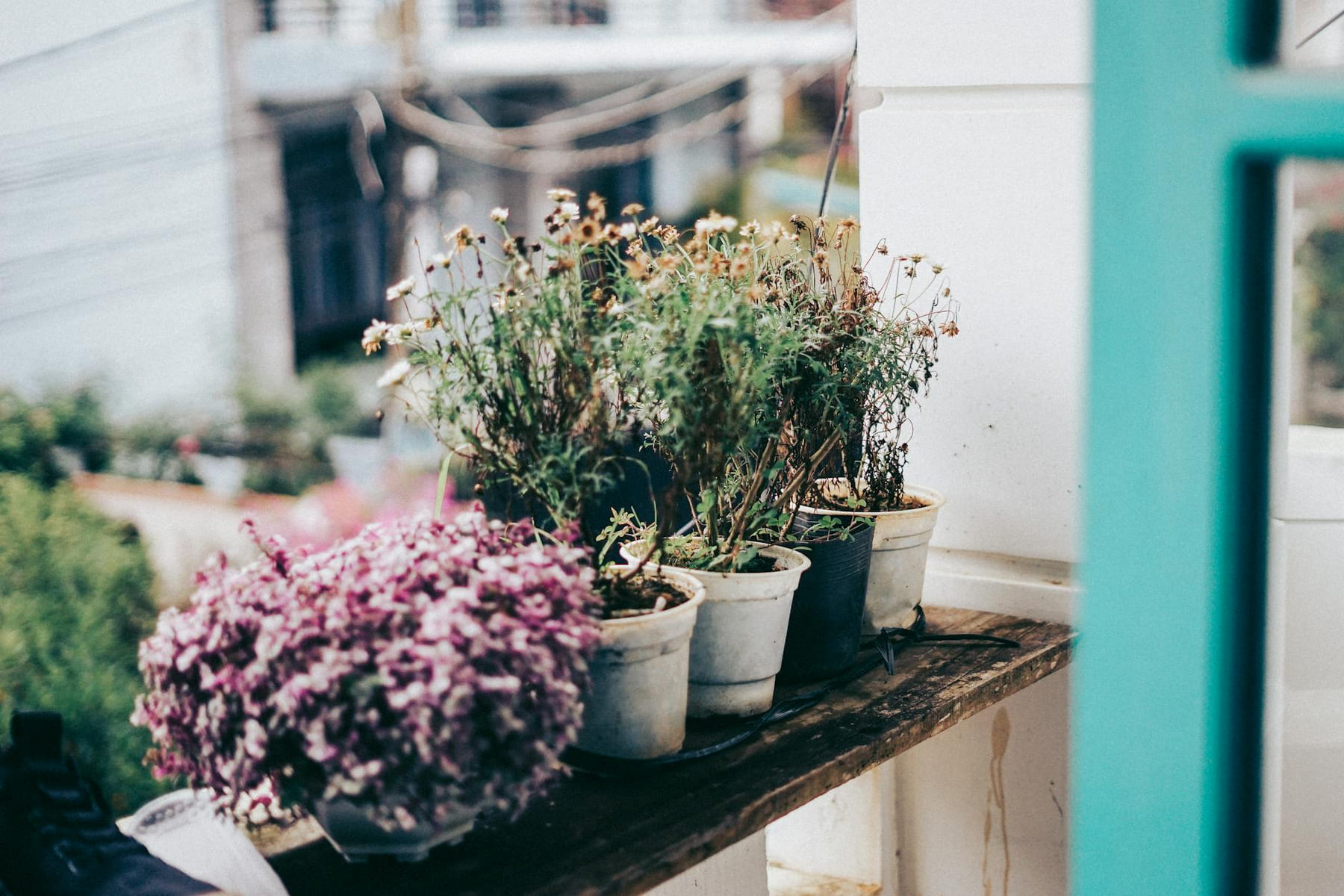
Balcony Blooms: Flowers That Thrive
Flowers That can be easier to approach when you start with a few practical basics.
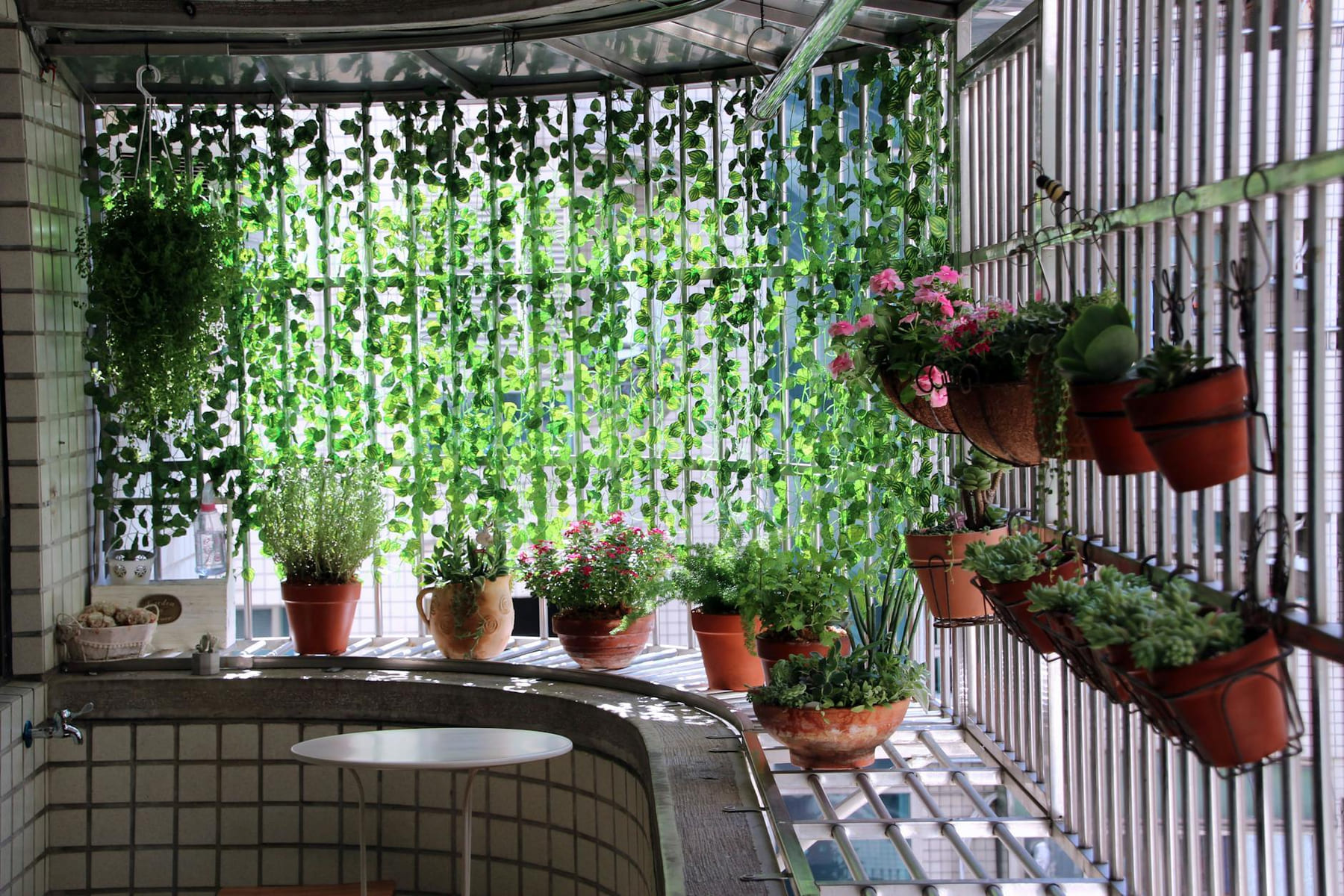
Balcony Veggies: A Step-by-Step Start
Balcony Vegetable Plots Step by Step - Urban Sprout Corner Balcony Vegetable Plots Step by Step: Grow Your Own Bounty, Even in the City Let’s face it: city living.