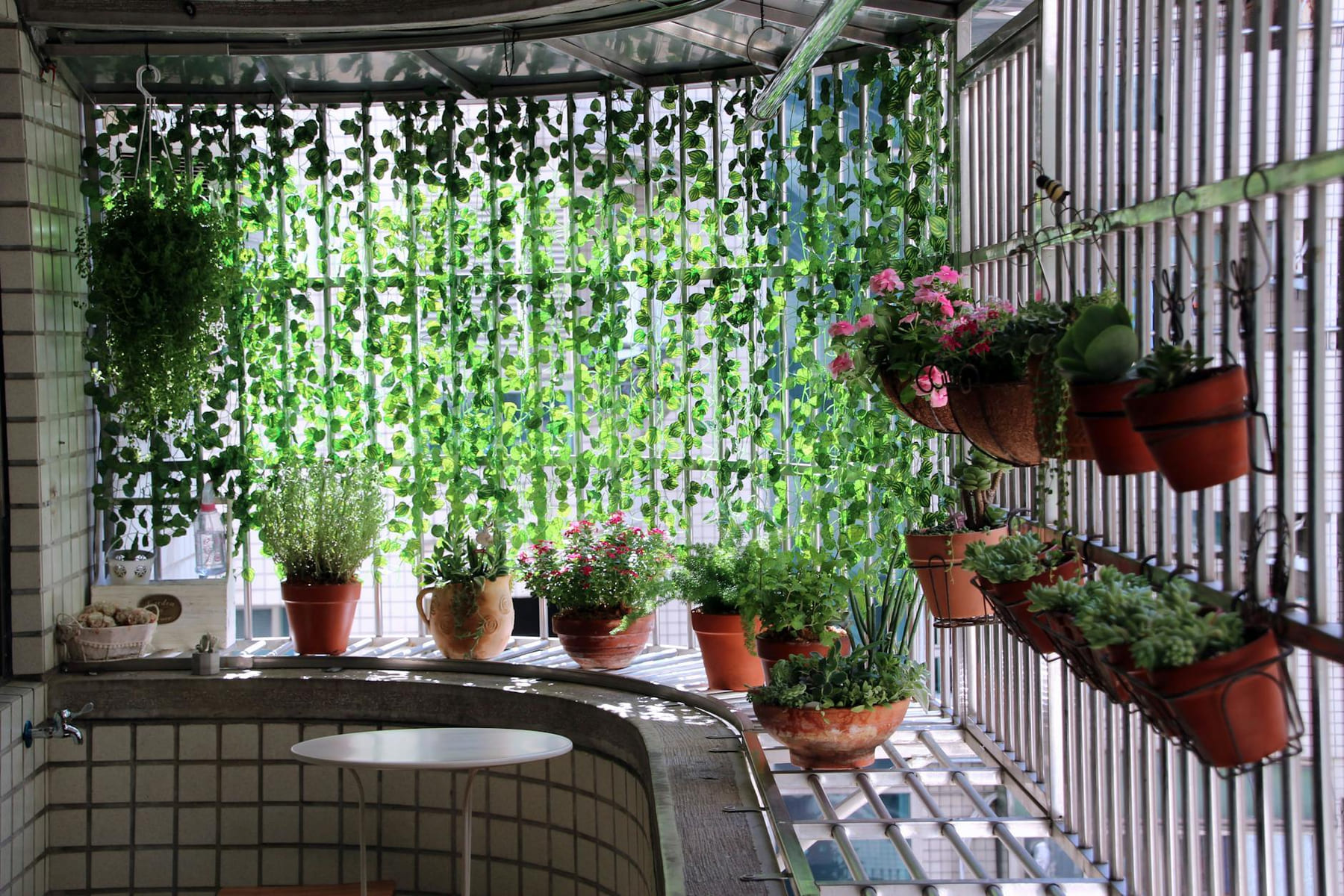
Assess Your Balcony - Light, Space, and Weight Limits (Balcony Veggies: A Step)
Balcony Veggies: A Step can be easier to approach when you start with a few practical basics. Before you even think about seed packets, you need to realistically assess your balcony. This is arguably the most crucial step, as it dictates what you can actually grow.
- Sunlight: Most vegetables need at least 6 hours of direct sunlight per day. South-facing balconies are generally the best, followed by east or west. North-facing balconies are trickier, but you can still grow leafy greens and herbs with sufficient supplemental lighting (more on that later). Use a sunlight calculator app or simply observe your balcony throughout the day to determine how much sun it receives.
- Space: Measure your balcony’s dimensions - length, width, and height. Consider vertical space! Trellises, hanging baskets, and stacked planters can dramatically increase your growing area. Don’t forget to factor in space for walking and access.
- Weight Limits: This is *vital*. Balconies have weight limits, and a large container filled with soil and water can quickly exceed them. Check your building’s regulations or contact your landlord to find out the weight restrictions. Opt for lightweight potting mixes and containers made from plastic, fiberglass, or resin. A good rule of thumb is to aim for a maximum weight of 25 pounds per square foot, but always err on the side of caution.
Choosing Your Vegetables - What Grows Well on a Balcony?
Not all vegetables thrive in container gardening. Some are better suited to balconies than others. Here are some excellent choices for beginners:
- Leafy Greens: Lettuce, spinach, kale, and arugula are relatively easy to grow and don’t require a ton of space.
- Herbs: Basil, mint, chives, oregano, and thyme are all prolific and fragrant, adding flavor to your meals.
- Tomatoes (Determinate Varieties): Choose “determinate” or bush tomatoes, which are more compact than sprawling indeterminate varieties. Patio tomatoes are a particularly good choice.
- Peppers (Smaller Varieties): Bell peppers and chili peppers can do well in containers, but again, select compact varieties.
- Radishes & Carrots (Short Varieties): Look for “short” or “round” carrot varieties to accommodate container sizes.
- Strawberries: Hanging baskets are perfect for growing strawberries!
Avoid large, sprawling plants like pumpkins, watermelons, and sprawling squash unless you have a very large balcony and are prepared for significant space requirements. Consider dwarf varieties where available.
Container Selection and Soil - The Foundation of Success
Your containers are the home of your plants, so choose wisely. Here's what to look for:
- Size Matters: Larger containers retain moisture better and provide more room for root growth. A minimum of 12 inches in diameter for most vegetables is recommended.
- Drainage: Crucially, all containers must have drainage holes! Poor drainage leads to root rot.
- Material: Plastic, resin, and fiberglass are lightweight and affordable. Terracotta is attractive but heavier.
Soil: Don’t use garden soil in containers - it compacts too easily. Invest in a high-quality potting mix specifically formulated for containers. Look for a mix that contains peat moss, perlite, and vermiculite for good drainage and aeration. Consider adding compost for extra nutrients.
Planting Your Vegetables - Getting Started
Now for the fun part! Here’s a simplified planting guide:
- Seeds vs. Seedlings: Starting from seed is cheaper, but seedlings (small plants) give you a head start.
- Follow Seed Packet Instructions: Spacing and planting depth are crucial for healthy growth.
- Water Thoroughly: After planting, water deeply until water drains from the bottom of the container.
- Mulch: Add a layer of mulch (straw, wood chips, or shredded bark) to help retain moisture and suppress weeds.
Example: Planting Tomatoes - Start tomato seedlings indoors 6-8 weeks before the last expected frost. Harden them off (gradually expose them to outdoor conditions) for a week before transplanting them into their containers. Provide support with stakes or cages as they grow.
Watering, Feeding, and Maintenance - Keeping Your Plants Happy
Container gardening requires more frequent watering than traditional gardening. Here’s how to keep your plants thriving:
- Watering: Check the soil moisture daily. Water when the top inch feels dry. Water deeply, allowing the water to drain out of the bottom of the container.
- Fertilizing: Container plants need regular feeding because nutrients are leached out with watering. Use a balanced liquid fertilizer every 2-4 weeks, following the instructions on the label.
- Pruning: Prune tomatoes and peppers to encourage bushier growth and improve airflow.
- Pest Control: Regularly inspect your plants for pests. Use organic pest control methods like insecticidal soap or neem oil if needed.
Expanding Your Balcony Garden - Vertical Gardening and Supplemental Lighting
Once you’ve mastered the basics, consider expanding your balcony garden. Vertical gardening is a fantastic way to maximize space.
- Trellises: Grow climbing vegetables like cucumbers, beans, and peas on trellises.
- Hanging Baskets: Perfect for herbs, strawberries, and trailing tomatoes.
- Stacked Planters: Create a tiered garden with herbs and leafy greens.
If you have limited sunlight, consider using grow lights to supplement natural light. LED grow lights are energy-efficient and can significantly boost plant growth.
Harvesting and Enjoying Your Bounty
The best part of growing your own vegetables is, of course, harvesting! Regularly check your plants for ripe produce and enjoy the fruits (and vegetables!) of your labor. A balcony vegetable plot is a rewarding experience that connects you to nature and provides you with fresh, delicious food. Don’t be afraid to experiment and learn as you go - happy gardening!
Pick the easiest win first
Most people get better results with Balcony Veggies: A Step-by-Step Start when they narrow the decision to one real problem. That could be saving time, trimming cost, reducing friction, or making the routine easier to keep up.
This usually gets easier once you make a short list of priorities. A tighter list tends to produce better decisions than trying to solve every possible problem at once.
Another useful filter is asking what you would still recommend if the budget got tighter, the schedule got busier, or the setup had to be easier for someone else to manage. The answers to that question usually reveal which advice is durable and which advice only works under ideal conditions.
The tradeoff most people notice late
One common mistake with Balcony Veggies: A Step-by-Step Start is expecting every option to solve the whole problem. In reality, some choices are better for convenience, some for reliability, and some simply for keeping the budget under control.
Before spending more, it is worth checking the setup, upkeep, and learning curve. Small hassles matter here because they are usually what decide whether something stays useful or gets ignored.
It is easy to underestimate how much clarity comes from removing one unnecessary layer. In practice, trimming one complication often does more for Balcony Veggies: A Step-by-Step Start than adding one more feature, one more product, or one more clever workaround.
Keep This Practical
The best small-space gardening moves are practical and repeatable. Pick the plant, container, or routine that matches your real conditions instead of forcing the ideal version.
Tools Worth A Look
The products here work best when they support healthy plants and simpler routines in the space you actually have.
- Vertical Gardening: A Complete Guide to Growing Food, Herbs, and Flowers in Small SpacesMother Earth News Small-Space GardeningElizabeth Mott Thank Me Later Face PrimerCompanion Planting for BeginnersGreenhouse for Outdoors, Small Greenhouse, Walk-in Greenhouses with 3 Tiers 4 Shelves, PE Cover, Heavy Duty Plant Greenhouses for Garden and Backyard
Some of the links on this page are Amazon affiliate links, which means I may earn a small commission if you make a purchase through them. As an Amazon Associate, I earn from qualifying purchases.
Related ReadingMore from Urban Sprout Corner
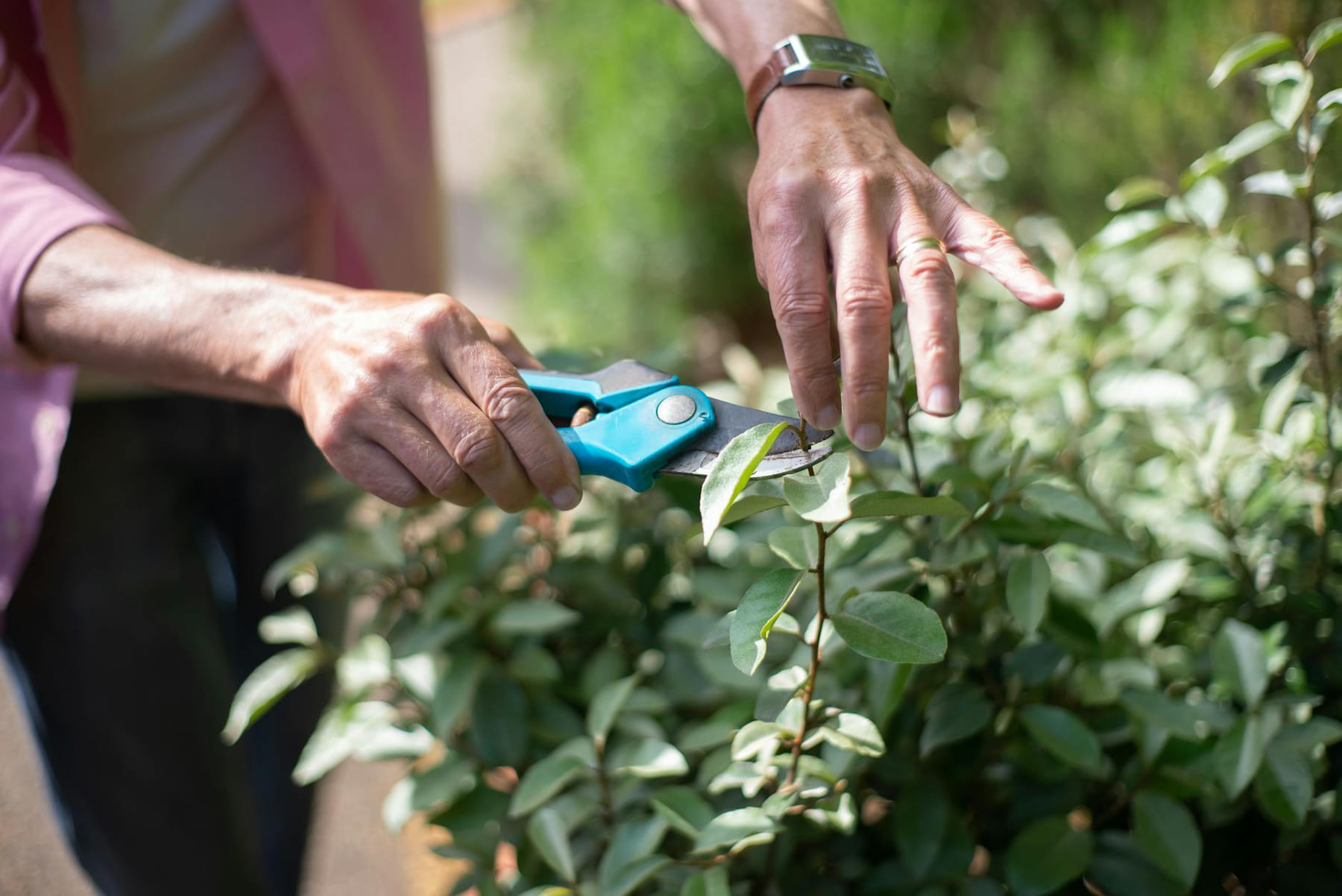
Balcony Pruners: What to Look For
Best Pruners for Balcony Gardens: Grow a Thriving Oasis
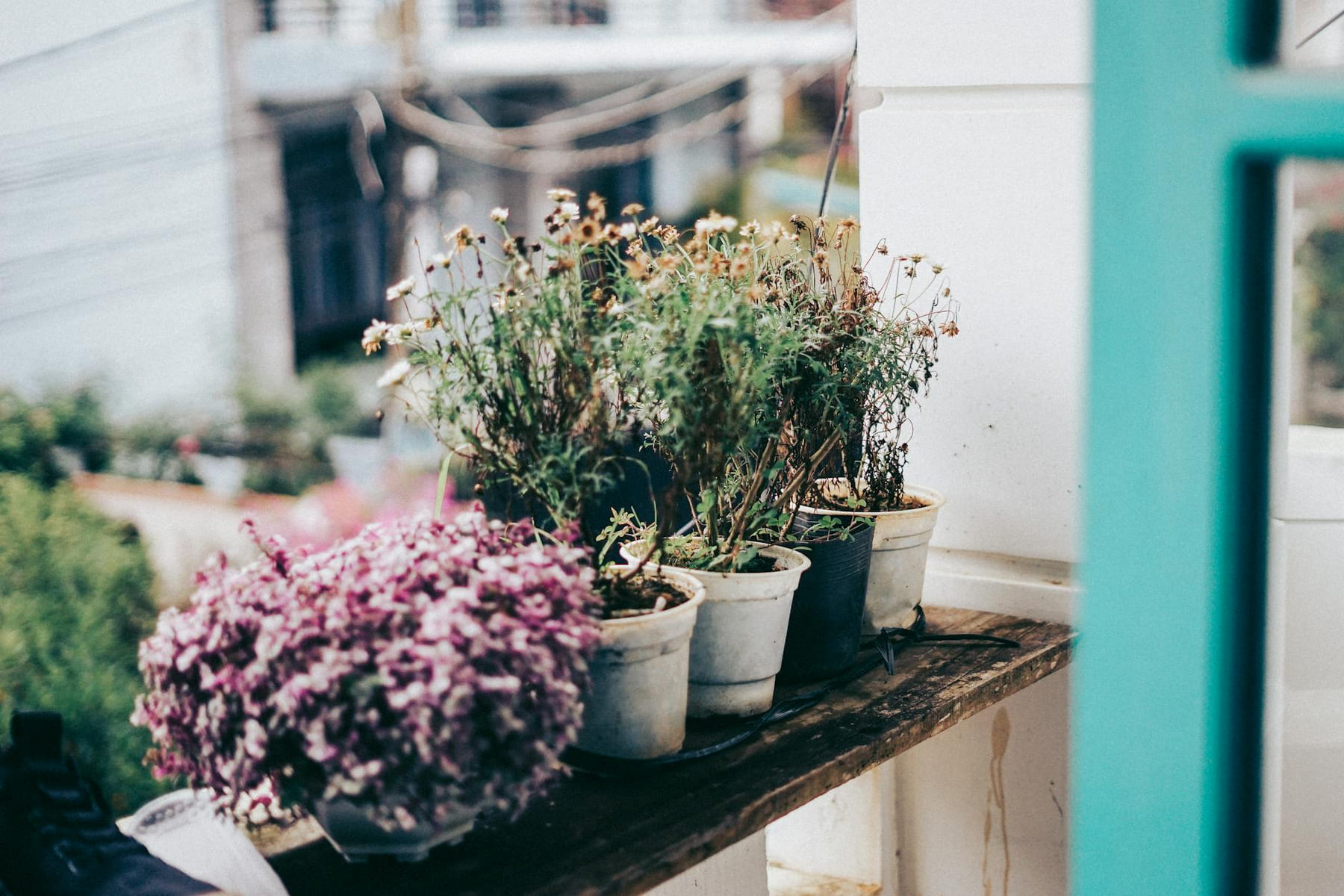
Balcony Blooms: Flowers That Thrive
Flowers That can be easier to approach when you start with a few practical basics.
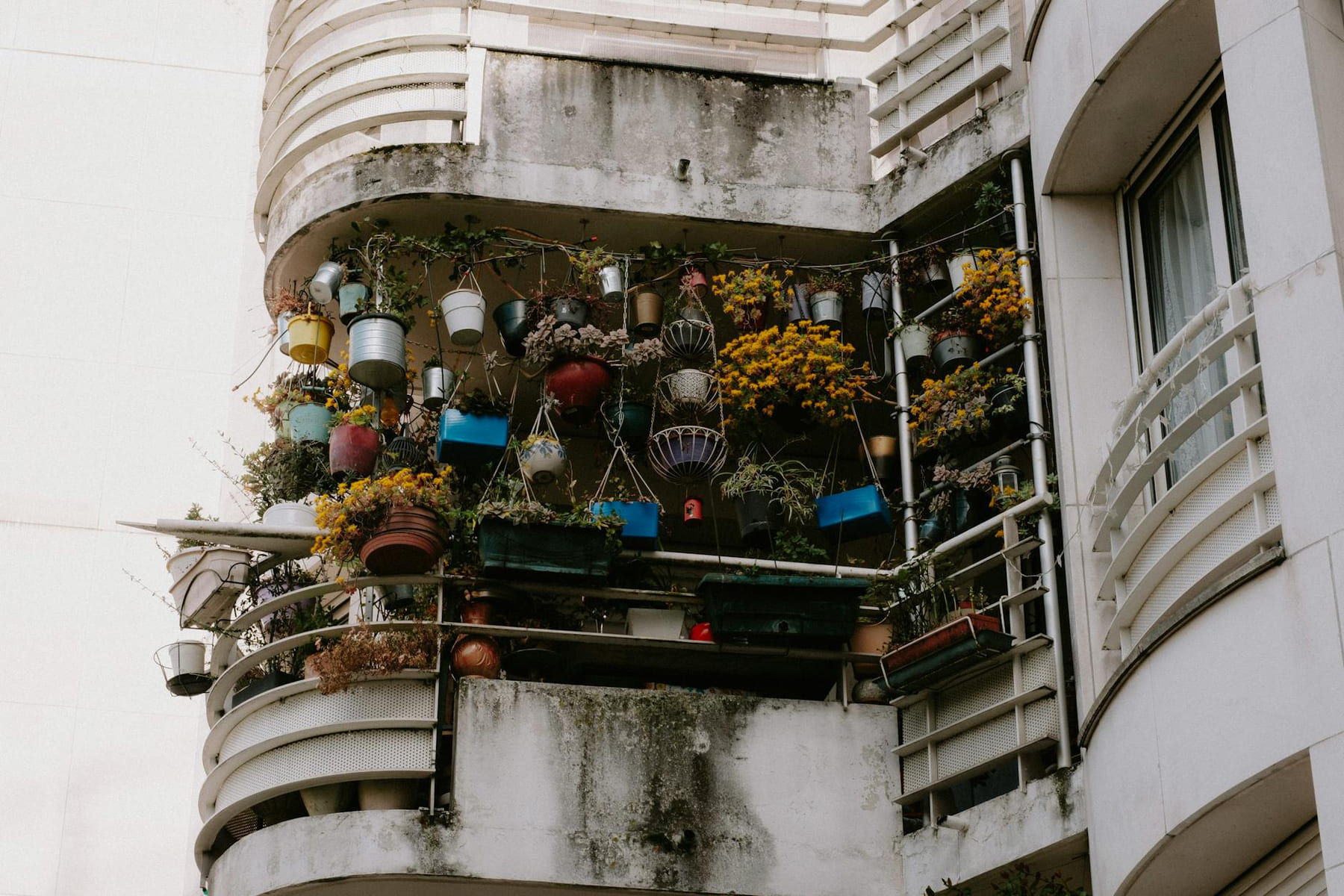
Balcony Veggies: Solving Common Plot Problems
Balcony Vegetable Plots Troubleshooting - Urban Sprout Corner Balcony Vegetable Plots Troubleshooting: Turning Your Tiny Space into a Bounty Welcome back to Urban.