
Living in a city doesn’t mean you have to sacrifice the joy of gardening. In fact, with a little creativity and the right tools, you can transform your balcony into a thriving green space, even if you’re short on square footage. And one of the most effective ways to maximize space and add instant charm is by utilizing best balcony railing planters. These clever planters attach directly to your balcony railing, creating a beautiful, vertical garden that’s both functional and visually stunning. Let’s dive into everything you need to know to create your own urban oasis.
Why Choose Railing Planters?
Before we jump into specific types, let’s talk about why railing planters are such a fantastic option for small balconies. They offer a multitude of benefits:
- Space Saving: This is the biggest one! They utilize vertical space, freeing up valuable floor area.
- Instant Curb Appeal: A well-planted railing planter instantly elevates the look of your balcony.
- Low Maintenance: Many designs require minimal watering and care, perfect for busy city dwellers.
- Versatile: You can grow a wide variety of plants, from herbs and vegetables to flowers and trailing vines.
- Easy Installation: Most railing planters are designed for simple, DIY installation.
Types of Railing Planters: Finding the Right Fit
There’s a railing planter to suit every style and budget. Here's a breakdown of the most popular types:
- Bucket Planters: These are the most common and affordable option. They come in various sizes and materials (plastic, metal, wood) and often feature drainage holes. They're great for herbs, strawberries, and smaller flowering plants. Cost: $20 - $80
- Stackable Planters: These planters are designed to stack vertically, creating a cascading effect. They’re ideal for trailing plants like petunias, ivy, and verbena. Cost: $40 - $150
- Spiral Planters: These cylindrical planters wrap around the railing, offering a unique and dramatic look. They’re perfect for climbing plants like clematis, morning glories, and even small tomatoes. Cost: $30 - $100
- Modular Railing Planters: These planters are made up of individual modules that can be connected to create custom arrangements. They offer flexibility and allow you to expand your garden over time. Cost: $60 - $200+
- Hanging Railing Planters: These are suspended from the railing using hooks or chains, creating a truly airy and whimsical look. They’re best suited for lightweight plants like ferns, succulents, and trailing flowers. Cost: $35 - $120
Materials Matter: Choosing the Right Planter
The material of your railing planter will impact its durability, appearance, and maintenance requirements. Here’s a quick rundown:
- Plastic: Affordable, lightweight, and resistant to rust. However, they can look less premium and may degrade in direct sunlight.
- Metal (Aluminum or Steel): Durable, stylish, and can withstand harsh weather conditions. Aluminum is lighter and resists rust, while steel is stronger.
- Wood: Adds a natural, rustic look. Requires regular sealing to prevent rot and weathering. Cedar and redwood are naturally rot-resistant choices.
- Ceramic: Elegant and attractive, but can be heavy and prone to cracking.
Installation: Making it Easy
Most railing planters are designed for simple DIY installation. Here’s a general guide:
- Measure Your Railing: Accurately measure the distance between the railing posts to determine the appropriate planter size.
- Choose Your Attachment Method: Many planters come with Velcro straps, clips, or screws. Select the method that’s best suited for your railing and planter.
- Attach the Planter: Securely attach the planter to the railing, ensuring it’s stable and won’t wobble.
- Add Soil and Plants: Fill the planter with a high-quality potting mix and plant your chosen plants.
Pro Tip: Consider using a level to ensure your planter is straight before securing it to the railing.
What to Plant in Your Railing Planters
The possibilities are endless! Here are some ideas for plants that thrive in railing planters:
- Herbs: Basil, thyme, rosemary, oregano, and mint are all excellent choices for adding flavor to your meals.
- Strawberries: Grow a cascade of fresh strawberries right on your balcony.
- Flowers: Petunias, geraniums, impatiens, and begonias add vibrant color to your space.
- Trailing Vines: Ivy, clematis, and verbena create a lush, cascading effect.
- Succulents: Drought-tolerant and low-maintenance, succulents are perfect for sunny balconies.
- Small Vegetables: Lettuce, spinach, and cherry tomatoes can be grown in railing planters with sufficient sunlight.
Maintenance Tips for Happy Railing Planters
Keeping your railing planters healthy and thriving is relatively simple. Here are a few key tips:
- Watering: Check the soil moisture regularly and water when the top inch feels dry.
- Fertilizing: Feed your plants with a balanced liquid fertilizer every 2-4 weeks during the growing season.
- Pruning: Regularly prune your plants to encourage bushier growth and remove dead or faded leaves.
- Cleaning: Clean the planters periodically to prevent algae buildup.
- Winter Protection: Depending on your climate, you may need to bring your railing planters indoors or provide winter protection to prevent damage.
Beyond the Basics: Creative Railing Planter Ideas
Ready to take your balcony garden to the next level? Here are a few creative ideas:
- Combine Different Planter Types: Mix and match bucket planters, stackable planters, and hanging planters for a dynamic look.
- Create a Theme: Design your railing planter garden around a specific theme, such as a Mediterranean herb garden or a vibrant floral display.
- Add Lighting: String fairy lights around your railing planters for a magical nighttime glow.
- Incorporate Decorative Elements: Add small sculptures, figurines, or other decorative elements to personalize your garden.
With a little planning and effort, you can transform your balcony into a stunning urban oasis with the help of best balcony railing planters. Start small, experiment with different plants, and most importantly, enjoy the beauty and tranquility of your own little green space!
Pick the easiest win first
Most people get better results with Balcony Blooms: Railing Planters You’ll Love when they narrow the decision to one real problem. That could be saving time, trimming cost, reducing friction, or making the routine easier to keep up.
This usually gets easier once you make a short list of priorities. A tighter list tends to produce better decisions than trying to solve every possible problem at once.
Another useful filter is asking what you would still recommend if the budget got tighter, the schedule got busier, or the setup had to be easier for someone else to manage. The answers to that question usually reveal which advice is durable and which advice only works under ideal conditions.
The tradeoff most people notice late
One common mistake with Balcony Blooms: Railing Planters You’ll Love is expecting every option to solve the whole problem. In reality, some choices are better for convenience, some for reliability, and some simply for keeping the budget under control.
Before spending more, it is worth checking the setup, upkeep, and learning curve. Small hassles matter here because they are usually what decide whether something stays useful or gets ignored.
It is easy to underestimate how much clarity comes from removing one unnecessary layer. In practice, trimming one complication often does more for Balcony Blooms: Railing Planters You’ll Love than adding one more feature, one more product, or one more clever workaround.
Keep This Practical
The best small-space gardening moves are practical and repeatable. Pick the plant, container, or routine that matches your real conditions instead of forcing the ideal version.
Tools Worth A Look
The products here work best when they support healthy plants and simpler routines in the space you actually have.
- Mother Earth News Small-Space GardeningThe Self-Sufficient BackyardMini Farming: Self-Sufficiency on 1/4 AcreLEETOLLA 𝐑𝐚𝐢𝐬𝐞𝐝 𝐆𝐚𝐫𝐝𝐞𝐧 𝐁𝐞𝐝 𝐎𝐮𝐭𝐝𝐨𝐨𝐫 Elevate Herb Garden Planter Box Outdoor Raised Planter Box with Legs On Wheels for Vegetables Flower Tomato Patio Backyard
Some of the links on this page are Amazon affiliate links, which means I may earn a small commission if you make a purchase through them. As an Amazon Associate, I earn from qualifying purchases.
Related ReadingMore from Urban Sprout Corner
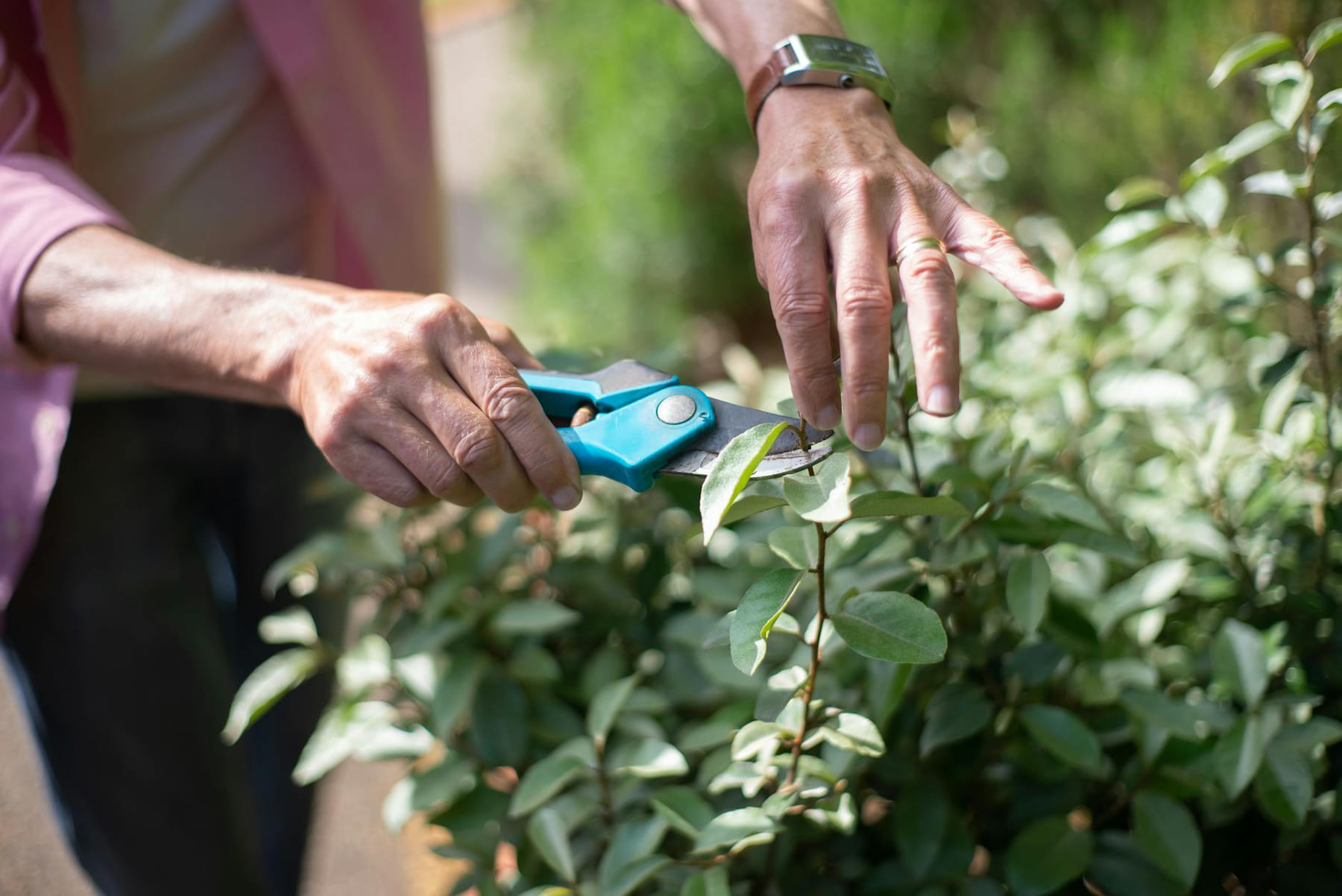
Balcony Pruners: What to Look For
Best Pruners for Balcony Gardens: Grow a Thriving Oasis
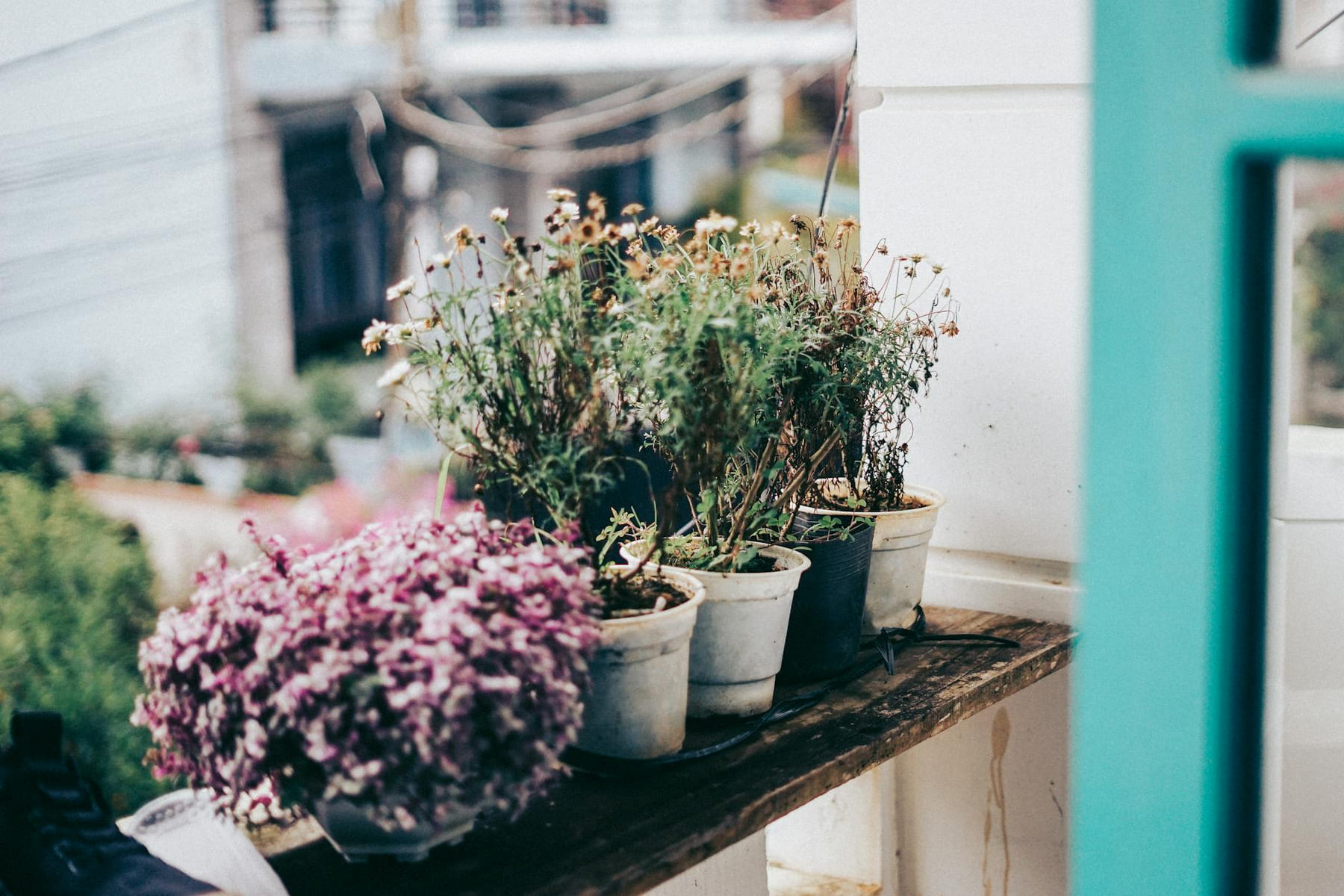
Balcony Blooms: Flowers That Thrive
Flowers That can be easier to approach when you start with a few practical basics.
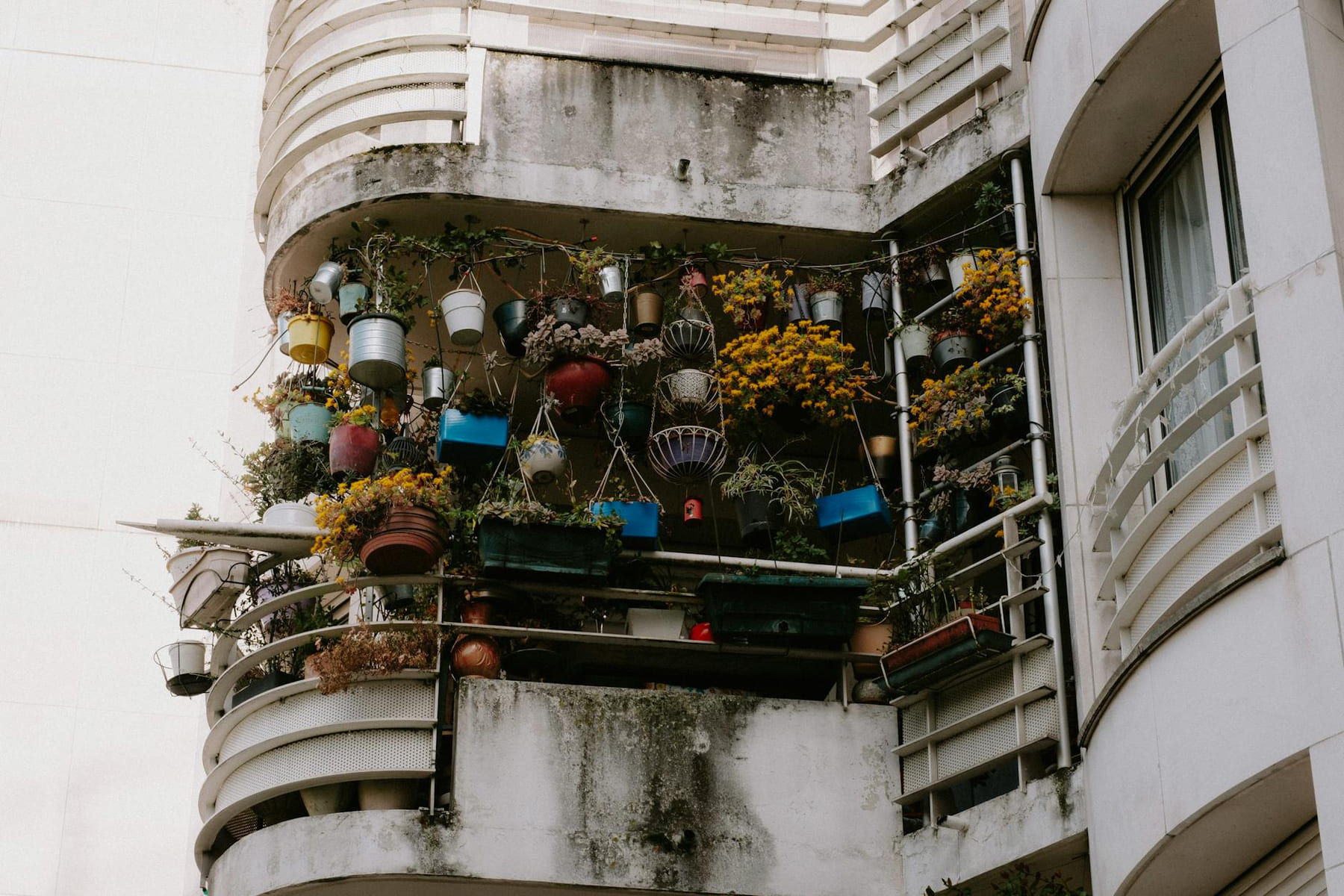
Balcony Veggies: Solving Common Plot Problems
Balcony Vegetable Plots Troubleshooting - Urban Sprout Corner Balcony Vegetable Plots Troubleshooting: Turning Your Tiny Space into a Bounty Welcome back to Urban.