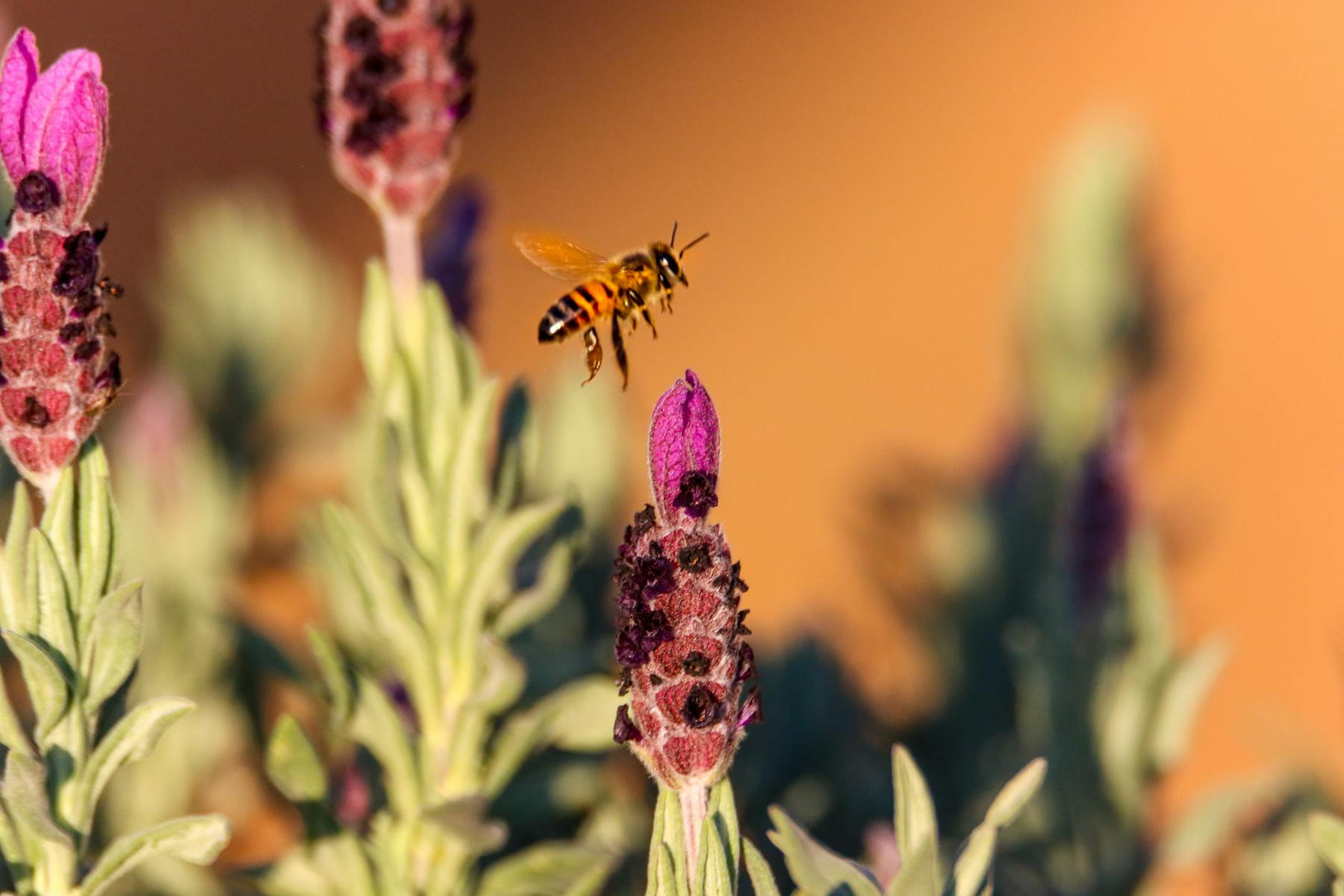
A Bee-Friendly can be easier to approach when you start with a few practical basics.
Urban Sprout Corner: Attracting Bees to Your Balcony Garden It’s easy to feel a little helpless when you hear about declining bee populations, but there’s actually something you can do, even if you live in a city apartment. Creating a small, buzzing patch of flowers on your balcony or patio isn’t just a nice thing to do - it’s a genuine way to support these important creatures and enjoy a beautiful garden. Let’s walk through how to build a bee-friendly container garden, no matter your experience level.Choosing Your Containers: Size and Style
Let’s be real: most of us don’t have sprawling yards. Container gardening is your key to bringing a bit of the natural world into our urban spaces. with containers, size matters. Bigger is almost always better, giving your plants more room to grow their roots and access water when it’s needed. Terracotta pots are a classic choice - they’re breathable and help prevent soggy roots - but they can dry out quickly in the sun. Resin pots are a popular alternative; they’re lighter, come in a huge range of colors and styles, and are super easy to move around. Wood containers, like cedar or redwood, look fantastic and naturally resist some pests, but they need a little more care to prevent rot. For balconies and patios, lightweight options are a must. Heavy clay pots can be a real struggle to move, and nobody wants a strained back! Also, think about your surroundings. If your balcony gets intense afternoon sun, you’ll want to choose plants that can handle it. If it’s more shaded, opt for plants that thrive in partial shade. A little wind protection can make a big difference too - a trellis or screen can help protect delicate blooms.
Soil and Feeding: Giving Your Plants a Strong Start
Don’t even think about using soil from your garden in your containers. Garden soil packs too tightly, doesn’t drain well, and can harbor diseases that can quickly wipe out your plants. Instead, you need a good quality potting mix. Look for a mix specifically designed for containers - it’s usually a blend of peat moss, perlite, and vermiculite. Organic potting mixes, with compost added, provide extra nutrients and help the soil stay healthy. Plants in containers rely entirely on you for their nutrients. They don’t have access to the nutrients found naturally in the ground. You’ll need to feed them regularly, especially during the growing season. Slow-release fertilizers are a convenient option, providing a steady supply of nutrients over several months. Alternatively, compost tea - a liquid fertilizer made by steeping compost in water - is a fantastic, natural way to boost plant health and the beneficial microbes in the soil.
Top 10 Plants for Bees
Now, let’s get to the fun part! Here’s a list of 10 plants that bees absolutely love: 1. Lavender ‘Munstead’: (Full Sun) - This compact lavender variety is wonderfully fragrant and drought-tolerant once it’s established. 2. Bee Balm ‘Blackberry Pie’: (Full Sun to Partial Shade) - The bright, cheerful flowers of Bee Balm are a magnet for bees and hummingbirds. ‘Blackberry Pie’ has a particularly rich, dark color. 3. Salvia ‘May Night’: (Full Sun) - The long spires of deep purple flowers of this Salvia are a constant source of nectar for bees. 4. Coneflower (Echinacea): (Full Sun) - These daisy-like flowers come in a range of colors and provide a long bloom season. 5. Sedum ‘Autumn Joy’: (Full Sun) - The pink flower heads of Sedum ‘Autumn Joy’ attract bees in the summer and turn a beautiful rusty red in the fall. 6. Catmint (Nepeta): (Full Sun to Partial Shade) - This easy-to-grow plant offers a long season of purple flowers and a subtle minty fragrance. 7. Borage: (Full Sun) - The bright blue flowers of borage are irresistible to bees. And the leaves? They’re edible! 8. Hyssop: (Full Sun to Partial Shade) - Hyssop has a lovely, slightly medicinal scent and produces clusters of blue or purple flowers. 9. Rosemary: (Full Sun) - While often used for cooking, rosemary is also a great pollinator plant, providing nectar and pollen. 10. Pansies: (Full Sun to Partial Shade) - Surprisingly, pansies are a favorite of bees, especially in cooler weather. (Note: Adding images of each plant would really help visualize this list!)
Creating a Bee-Friendly Space
Just planting your flowers isn’t enough. To really attract bees, you need to create an environment they’ll love. Group plants with overlapping bloom times together so there’s always something for them to feed on. Think about creating “bee pathways” - clear, easy routes for bees to move between plants. And don’t be afraid to layer plants, with taller varieties at the back and shorter ones in the front. A well-designed container garden should be beautiful for you too, of course!
Keeping Your Garden Thriving
Container gardening needs a little more attention than traditional gardening. Water deeply and regularly, especially when the weather is hot. A simple finger test - stick your finger an inch or two into the soil - can tell you if it’s time to water. Keep an eye out for pests and diseases, and use organic solutions like neem oil if you spot any problems. Pruning and deadheading - removing spent flowers - will encourage continued blooming. And don’t forget about winterizing! In colder climates, you might need to move your containers indoors or provide some protection from frost.
Conclusion: Small Changes, Big Impact
Creating a bee-friendly container garden is a surprisingly rewarding experience. By choosing the right containers, soil, and plants, and making a little effort to create a welcoming space, you can transform even the smallest balcony or patio into a haven for these important pollinators. Start small, experiment, and enjoy the buzz of a thriving garden - and the satisfaction of knowing you’re helping our planet. Want to learn more?
Keep This Practical
The best small-space gardening moves are practical and repeatable. Pick the plant, container, or routine that matches your real conditions instead of forcing the ideal version.
Tools Worth A Look
The products here work best when they support healthy plants and simpler routines in the space you actually have.
- Small-Space Gardening: How To Successfully Grow Flowers And Fruits In Containers And PotsONBRILL Potting Bench, Outdoor Potting Bench Table with Removable Sink, HDPS Potting Benches for Outside, Garden Table with Storage ShelvesChainsaw 6 Inch Mini Electric Chain Saw Cordless Battery Powered,Hand Held Saw Pruning Shears Chain for Tree BranchesGOLOPET Seedling Heat Mat 4 Pack Dual Certified by MET and UL Plant Heating Mat PadTiny Space Gardening: Growing Vegetables, Fruits, and Herbs in Small Outdoor Spaces (with Recipes)
Some of the links on this page are Amazon affiliate links, which means I may earn a small commission if you make a purchase through them. As an Amazon Associate, I earn from qualifying purchases.
Related ReadingMore from Urban Sprout Corner
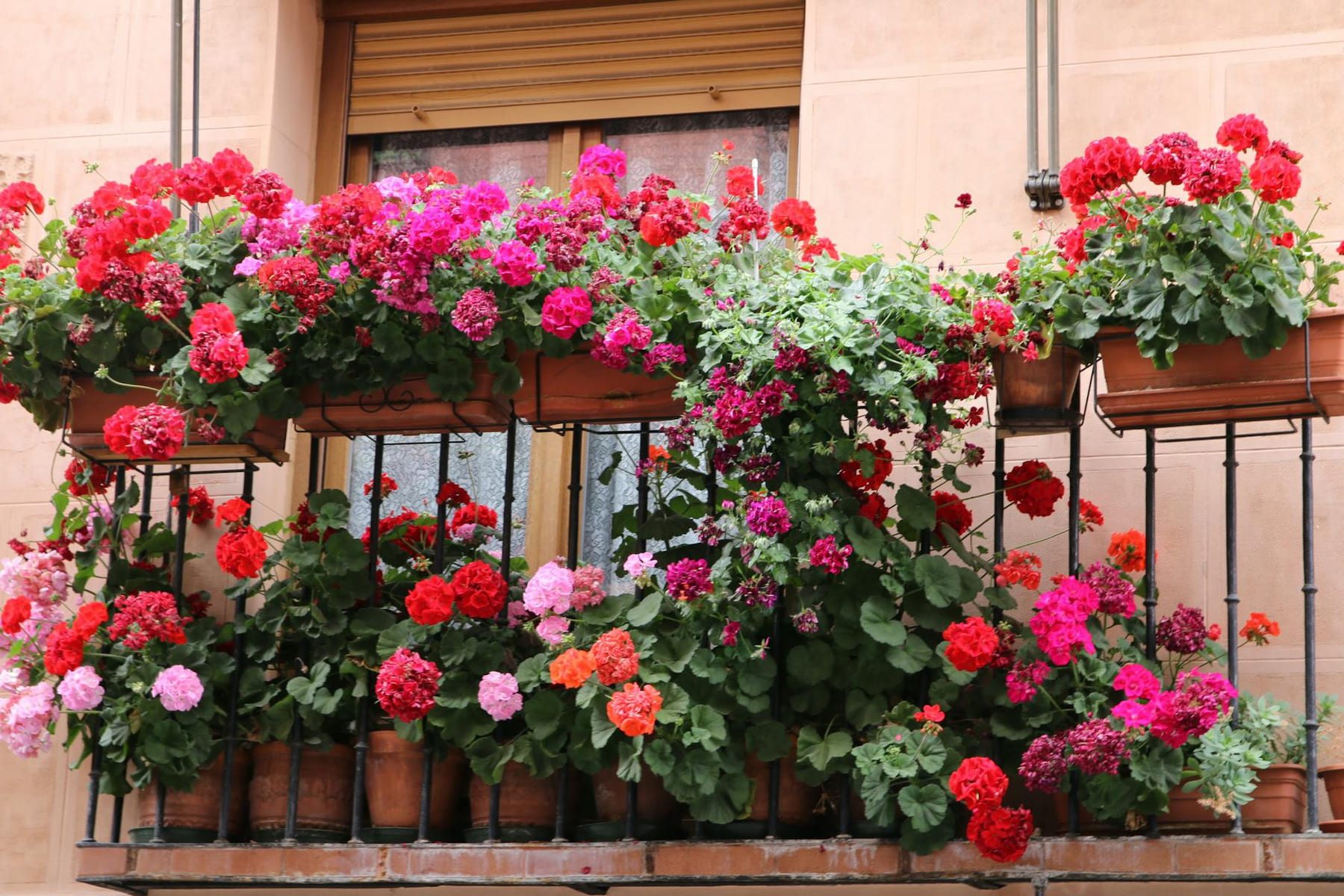
Container Stakes & Cages: What to Choose
Best Stakes and Cages for Containers - Urban Sprout Corner Best Stakes and Cages for Containers - Grow Big in Small Spaces Let’s be honest, container gardening is.
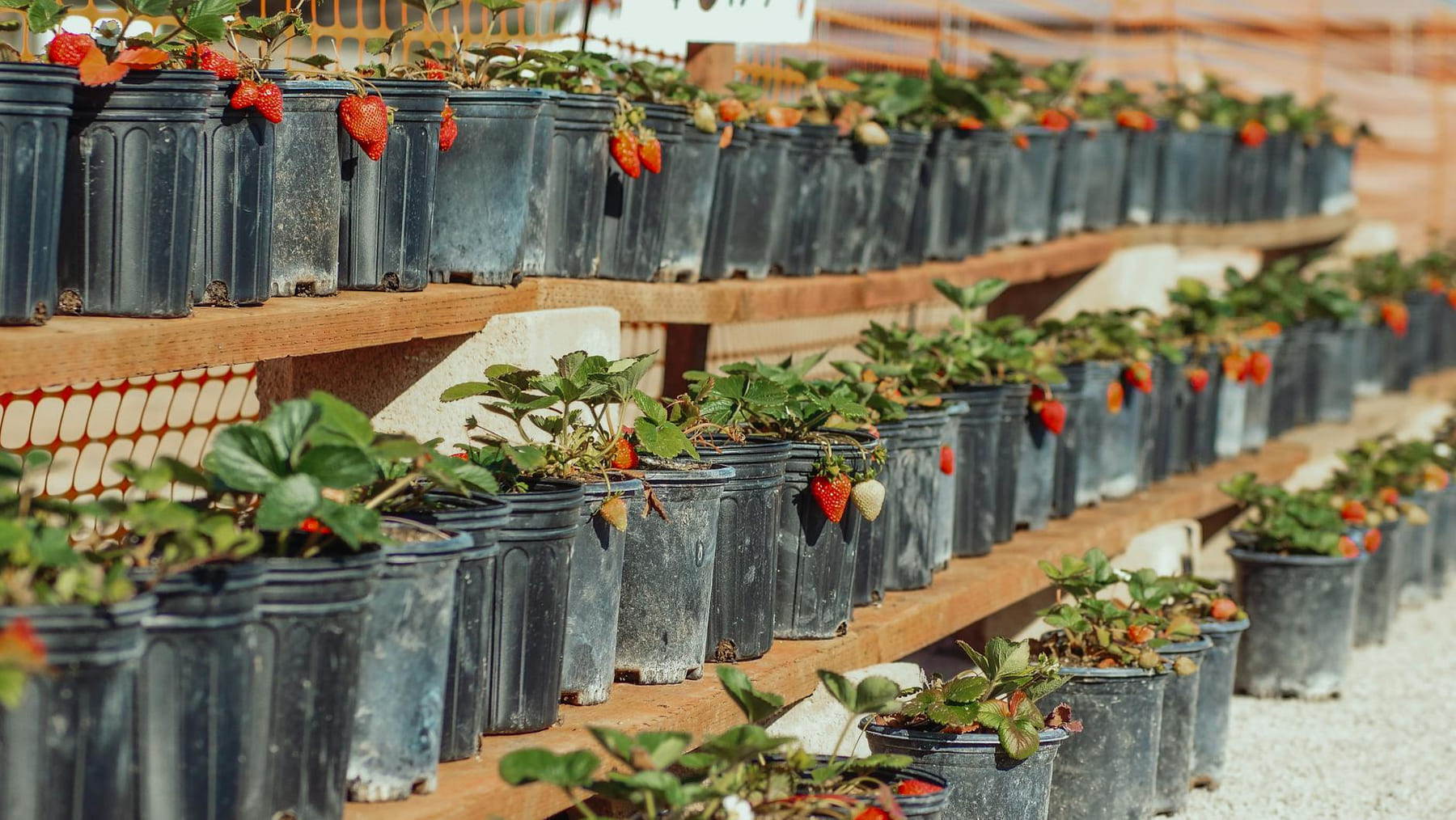
Container Veggies: What to Grow Now
The options that age well are usually the ones that are easy to repeat. Reliability and low hassle often matter more than the most impressive-looking feature list.
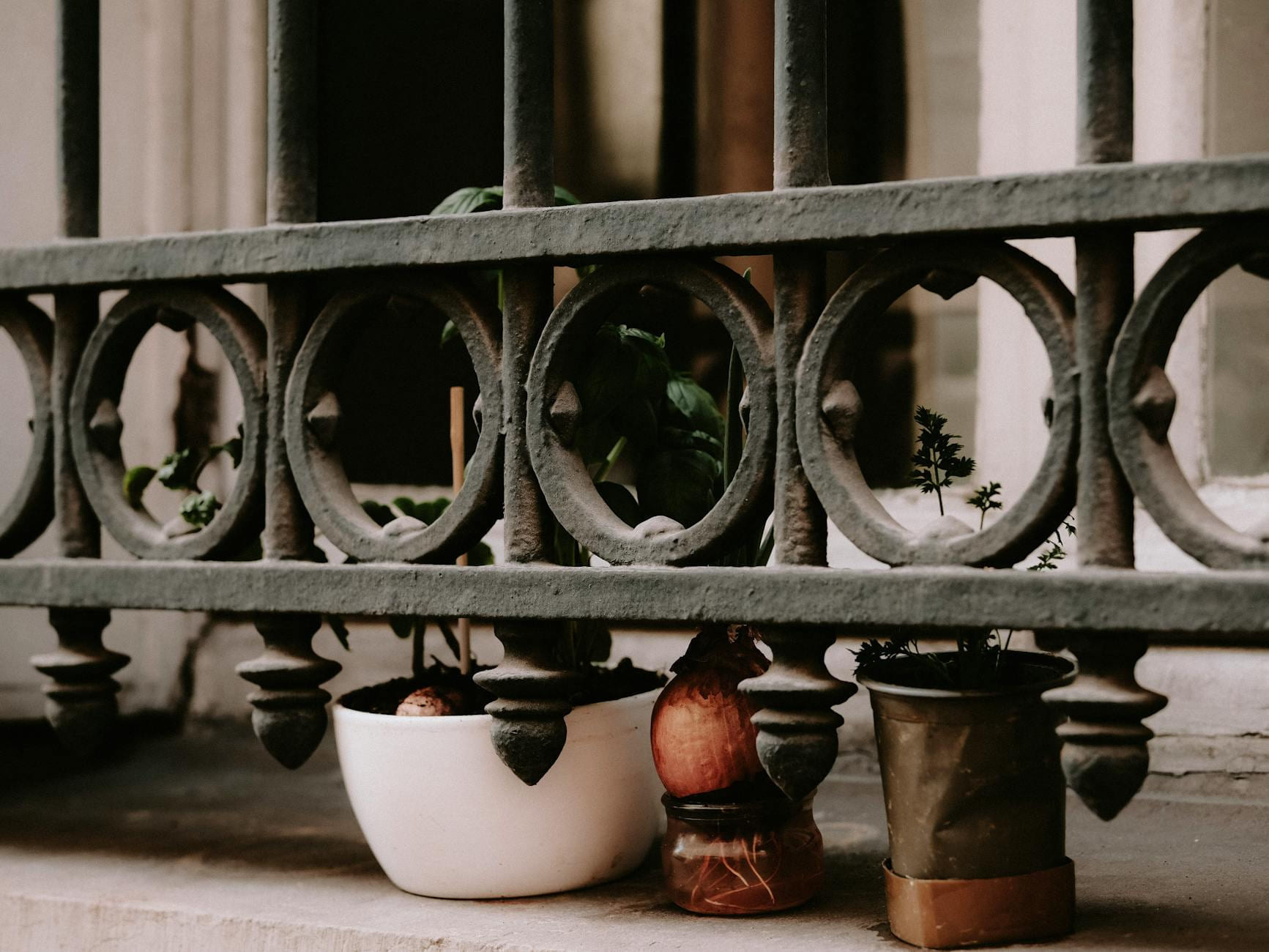
Container Greens: Your Best Choices
Living in an urban environment doesn’t mean you have to sacrifice fresh, delicious greens. In fact, container gardening is a fantastic way to bring a vibrant.