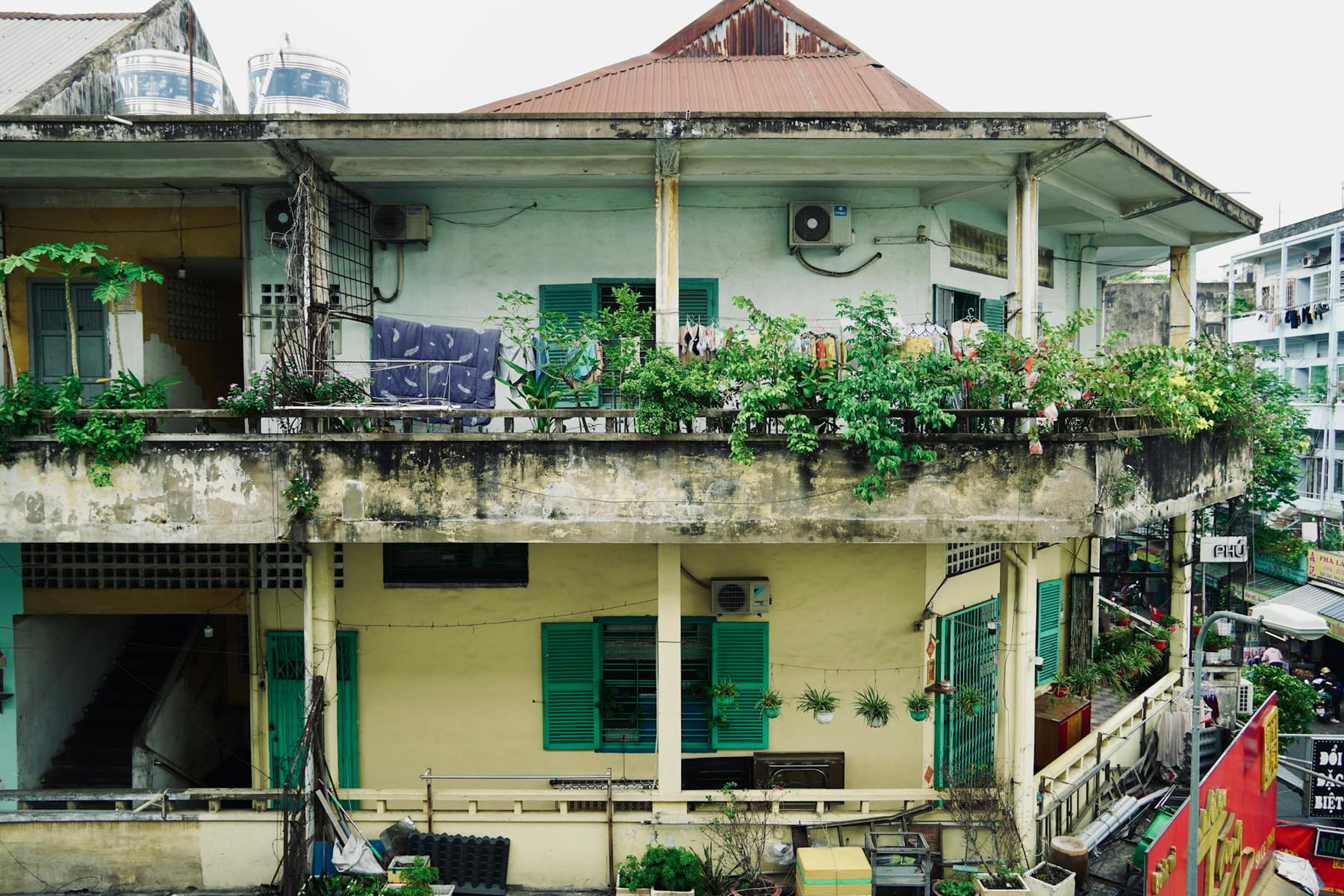
Balcony Veggies or Something Else? can be easier to approach when you start with a few practical basics.
The desire to grow your own food is stronger than ever. Whether it’s a yearning for fresher, healthier produce, a desire to reduce your carbon footprint, or simply the satisfaction of nurturing something from seed to table, urban gardening is booming. But for many of us living in apartments and condos, the idea of a sprawling vegetable patch is, well, a bit of a fantasy. That's where the debate between dedicated balcony vegetable plots and exploring alternative growing methods comes in. Let's dive into the pros and cons of each, and look at some clever ways to maximize your green thumb, even with limited space.
The Allure of a Balcony Vegetable Plot (Balcony Veggies or Something Else?)
For a long time, the go-to solution for small-space gardening was building a balcony vegetable plot. This typically involves constructing a raised bed or container system directly on your balcony. It’s a tangible, visually appealing way to create a miniature farm. And there’s a lot to love about this approach:
- Control Over Soil: You’re in charge of the soil composition, ensuring it’s perfectly suited to the vegetables you’re growing. This is crucial, as balcony soil can often be compacted or contaminated.
- Sunlight Optimization: You can strategically position your plot to capture the most sunlight - a critical factor for successful vegetable growth. South-facing balconies are generally the best bet in the Northern Hemisphere.
- Space Efficiency: Raised beds and containers allow you to grow more intensively than you might think. Vertical gardening techniques, like trellises for climbing plants, further amplify your yields.
- Aesthetic Appeal: Let’s be honest, a well-maintained balcony vegetable plot looks fantastic! It adds a touch of green and vibrancy to your urban environment.
Practical Example: Consider Sarah, who transformed her small balcony into a thriving tomato oasis. She built a simple rectangular raised bed using reclaimed wood and filled it with a high-quality potting mix. She planted determinate (bush) tomato varieties, which are ideal for containers, and used a small trellis to support the plants as they grew. Within a few months, she was harvesting juicy, homegrown tomatoes for salads and sauces.
The Challenges of Balcony Vegetable Plots
Despite the advantages, balcony vegetable plots aren't without their hurdles. Here’s what you need to consider:
- Weight Restrictions: Balconies have weight limits! Soil, containers, and mature plants can quickly add up. Always check with your building management before starting a project.
- Wind Exposure: Balconies can be surprisingly windy, which can dry out plants quickly and damage delicate seedlings. Windbreaks like screens or strategically placed planters can help.
- Maintenance: Raised beds and containers require regular watering, fertilizing, and weeding - just like any other garden.
- Cost: Building a raised bed and purchasing containers and soil can be an initial investment.
Beyond the Plot: Exploring Alternative Growing Methods
If the prospect of a full-blown balcony vegetable plot feels daunting, or if your balcony’s limitations are particularly restrictive, don’t despair! There are plenty of creative alternatives that can still allow you to enjoy fresh, homegrown produce.
1. Container Gardening - The Versatile Champion
Container gardening is the most accessible alternative. It’s incredibly flexible and adaptable to almost any space. You can grow everything from herbs and leafy greens to peppers and even small fruiting plants in containers. The key is choosing the right container size and type for the plant you’re growing. Terracotta pots are breathable but dry out quickly; plastic containers retain moisture better. Consider self-watering containers to simplify the watering process, especially during hot weather.
2. Vertical Gardening - Up, Up, and Away!
Vertical gardening utilizes walls and fences to maximize growing space. Options include:
- Pocket planters: Fabric pockets attached to a frame.
- Pallet gardens: Repurposed pallets transformed into vertical planters.
- Hanging baskets: Ideal for herbs, strawberries, and trailing vegetables.
- Living walls: More complex systems that create a lush, green wall.
Example: Mark uses a repurposed pallet to create a vertical herb garden on his balcony. He planted basil, mint, and rosemary in individual pockets, and now he has a constant supply of fresh herbs for cooking.
3. Hydroponics and Aquaponics - Modern Techniques
For the tech-savvy gardener, hydroponics (growing plants without soil, using nutrient-rich water) and aquaponics (combining hydroponics with fish farming) offer exciting possibilities. These systems require an initial investment but can be incredibly productive and space-efficient. Smaller, tabletop hydroponic kits are readily available for beginners.
4. Windowsill Gardening - Small Spaces, Big Yields
Don’t overlook the potential of your windowsills! Herbs, lettuce, and small peppers thrive in sunny windowsills. A south-facing windowsill can provide ample light for a surprisingly productive mini-garden.
Choosing the Right Plants for Small Spaces
Regardless of the method you choose, selecting the right plants is crucial. Opt for compact varieties that are well-suited to container growing. Here are some excellent choices:
- Leafy Greens: Lettuce, spinach, kale, arugula
- Herbs: Basil, mint, thyme, rosemary, oregano
- Tomatoes: Determinate (bush) varieties
- Peppers: Smaller pepper varieties
- Strawberries: Everbearing varieties
- Radishes & Carrots: Short, compact varieties
Pick the easiest win first
Most people get better results with Balcony Veggies or Something Else? when they narrow the decision to one real problem. That could be saving time, trimming cost, reducing friction, or making the routine easier to keep up.
This usually gets easier once you make a short list of priorities. A tighter list tends to produce better decisions than trying to solve every possible problem at once.
Another useful filter is asking what you would still recommend if the budget got tighter, the schedule got busier, or the setup had to be easier for someone else to manage. The answers to that question usually reveal which advice is durable and which advice only works under ideal conditions.
The tradeoff most people notice late
One common mistake with Balcony Veggies or Something Else? is expecting every option to solve the whole problem. In reality, some choices are better for convenience, some for reliability, and some simply for keeping the budget under control.
Before spending more, it is worth checking the setup, upkeep, and learning curve. Small hassles matter here because they are usually what decide whether something stays useful or gets ignored.
It is easy to underestimate how much clarity comes from removing one unnecessary layer. In practice, trimming one complication often does more for Balcony Veggies or Something Else? than adding one more feature, one more product, or one more clever workaround.
Final Thoughts
Growing your own food in a small space doesn’t have to be complicated. By carefully considering your balcony’s limitations, exploring alternative growing methods, and choosing the right plants, you can create a thriving urban garden that provides you with fresh, delicious produce and a connection to nature. It’s about finding what works best for you and your space - so experiment, have fun, and enjoy the rewards of your green efforts!
Keep This Practical
Garden progress usually comes from one condition getting a little better: light, watering, soil, or plant choice. Start with the factor that would make the biggest difference in the space you have.
Tools Worth A Look
If the article pointed you toward one clearer plant or setup decision, the products below are the closest fit.
- Small Garden Design Secrets: Small-Space Gardening & Container Planting Tips to Create a Green Oasis on Patios, Balconies & CourtyardsThe Container Garden Blueprint: Easy Steps to Lush, Small-Space Gardening10x3x1ft Galvanized Raised Garden Bed KitSmall-Space Gardening: How To Successfully Grow Flowers And Fruits In Containers And Pots
Some of the links on this page are Amazon affiliate links, which means I may earn a small commission if you make a purchase through them. As an Amazon Associate, I earn from qualifying purchases.
Related ReadingMore from Urban Sprout Corner
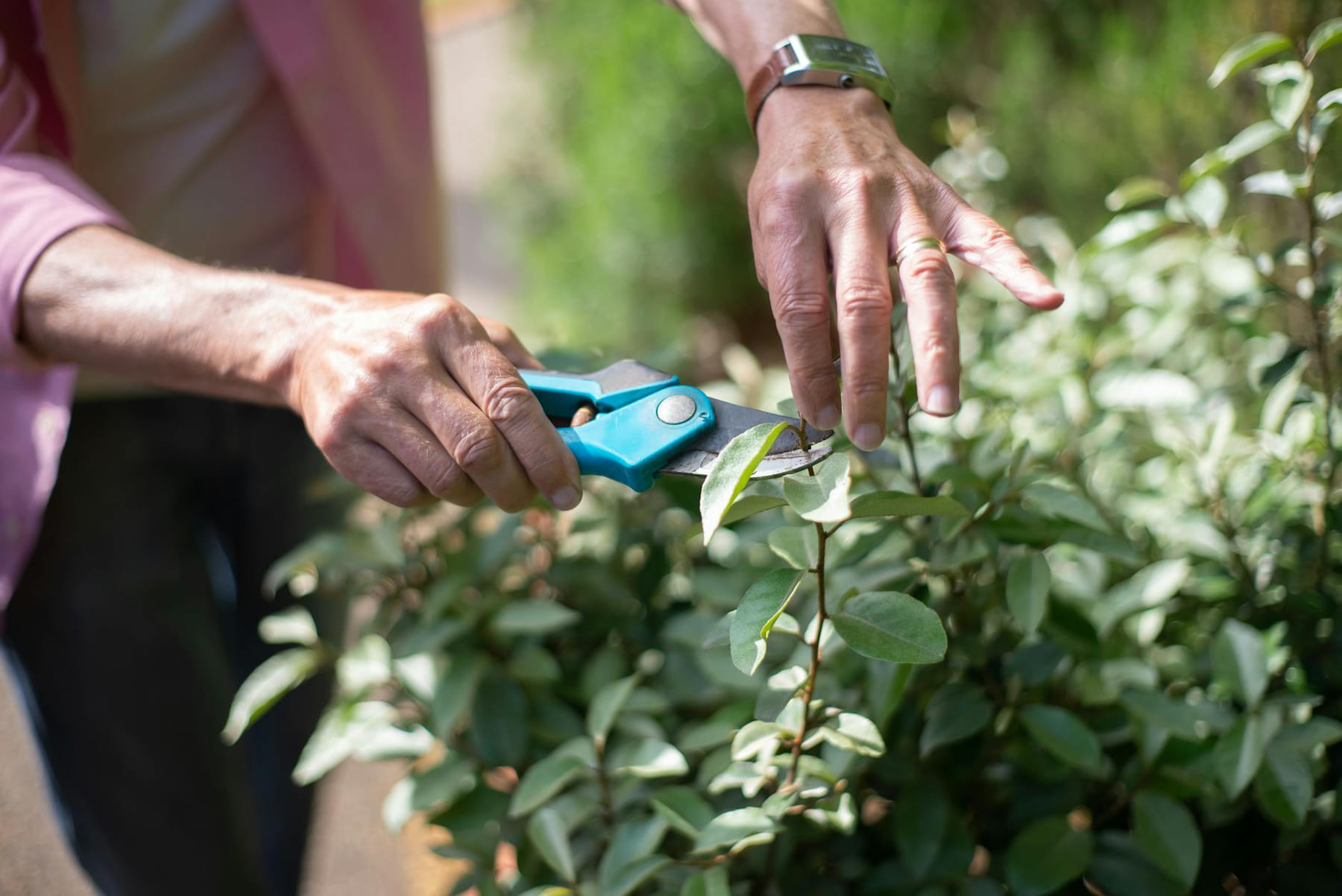
Balcony Pruners: What to Look For
Best Pruners for Balcony Gardens: Grow a Thriving Oasis
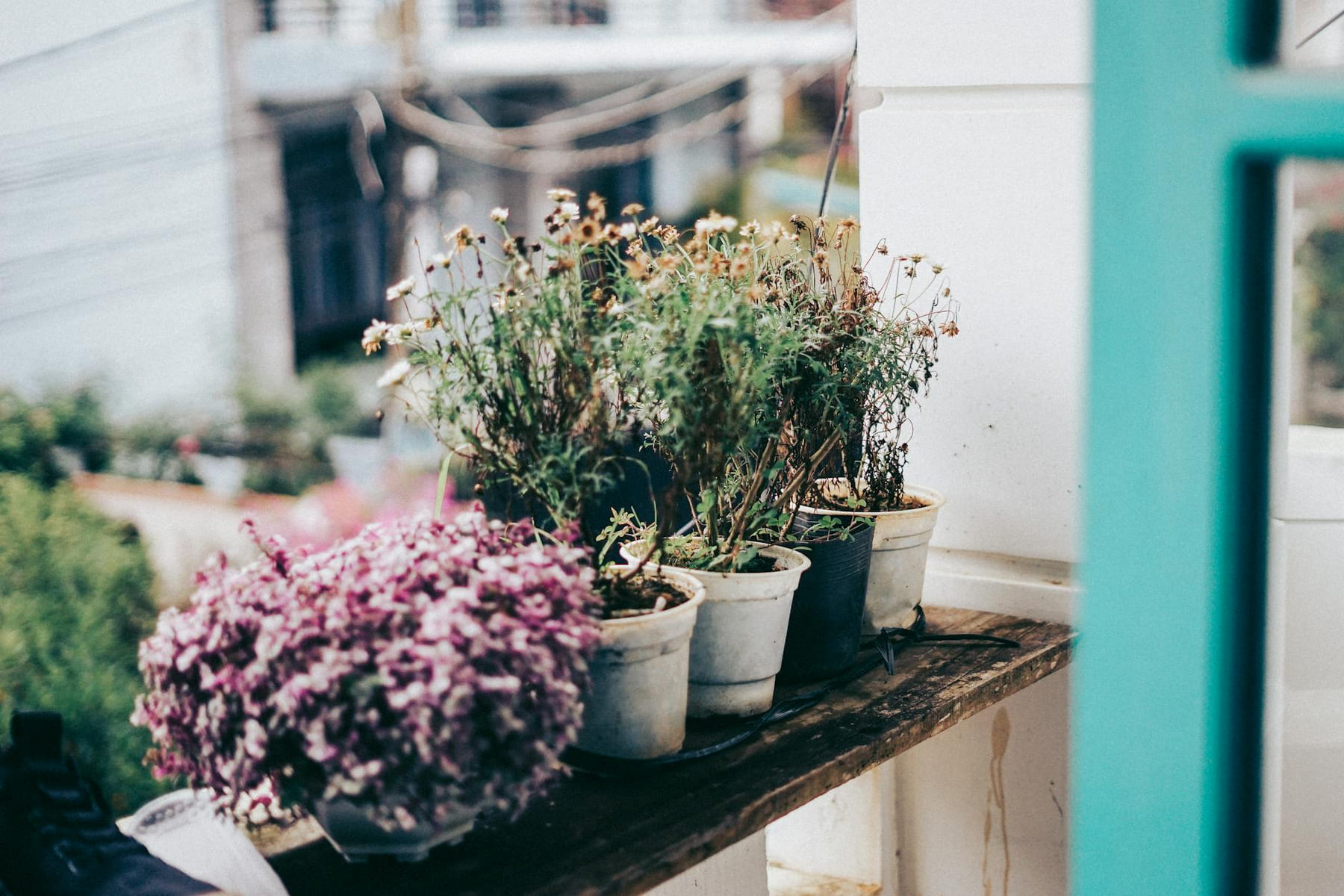
Balcony Blooms: Flowers That Thrive
Flowers That can be easier to approach when you start with a few practical basics.
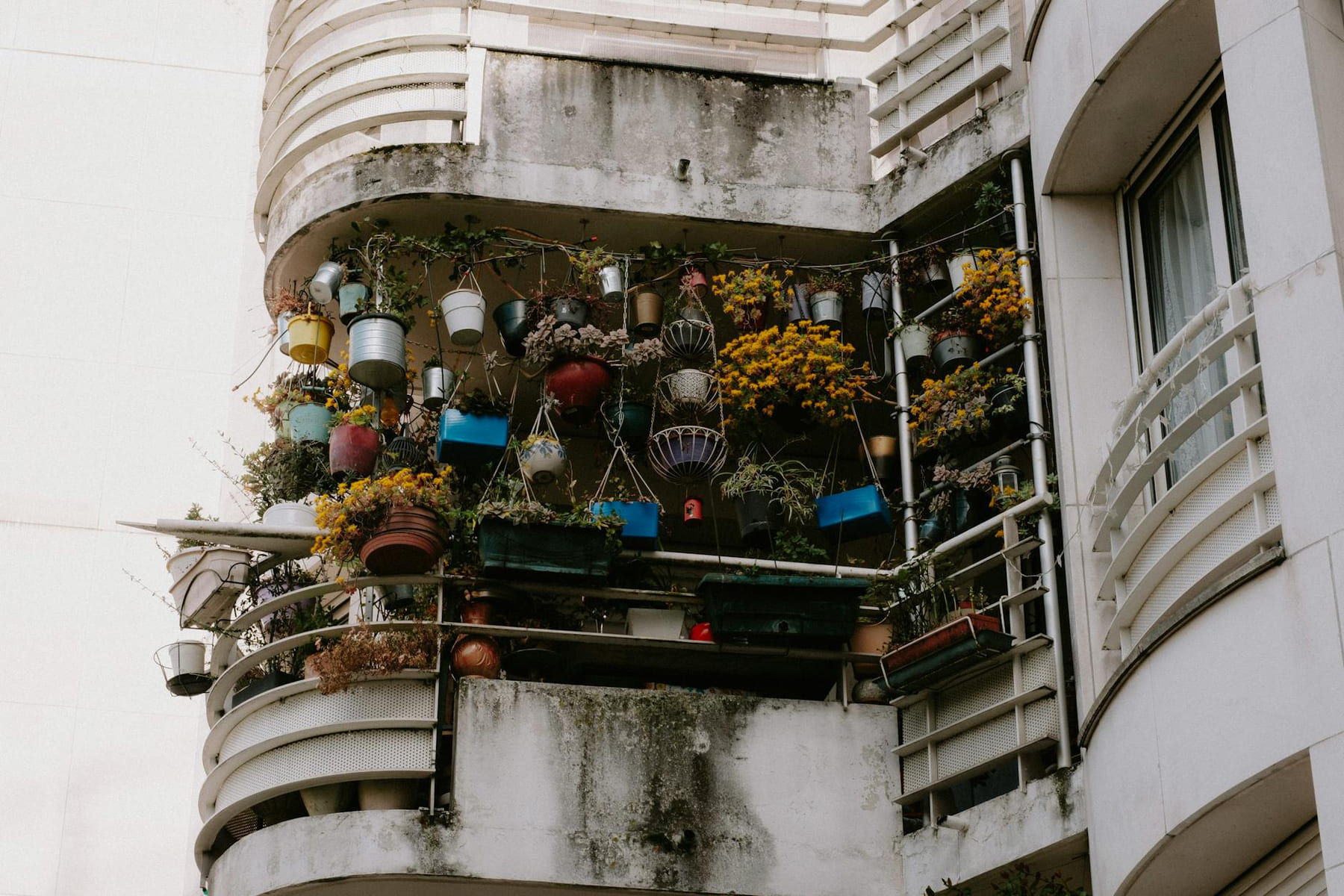
Balcony Veggies: Solving Common Plot Problems
Balcony Vegetable Plots Troubleshooting - Urban Sprout Corner Balcony Vegetable Plots Troubleshooting: Turning Your Tiny Space into a Bounty Welcome back to Urban.