By David Barlow - Container Gardening Expert
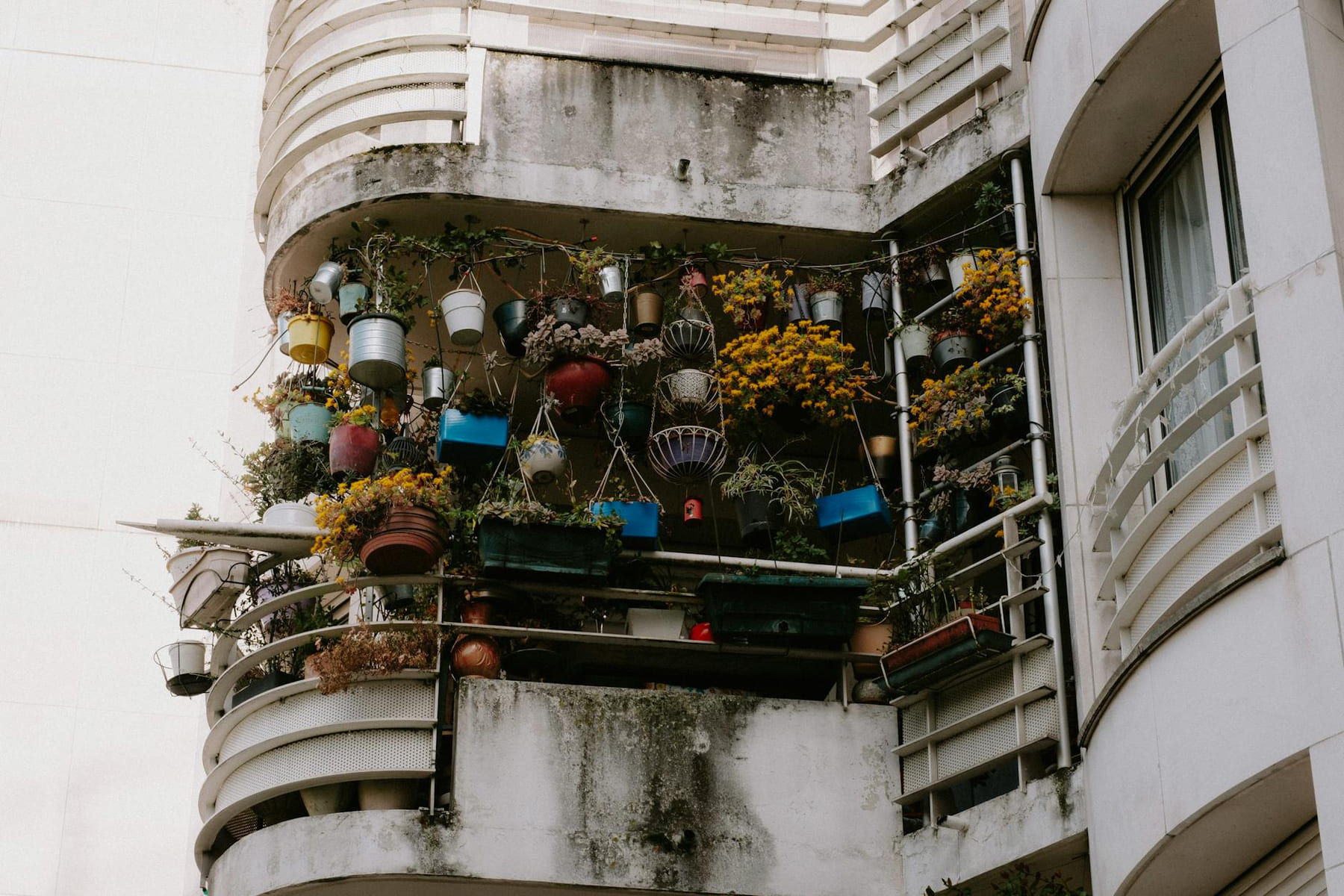
Let’s be honest, the idea of a thriving vegetable garden often conjures images of sprawling fields and acres of land. But what if you live in an apartment, a condo, or simply have a small balcony? Doesn’t that rule out fresh, homegrown produce? Absolutely not. In fact, balcony gardening is a fantastic way to enjoy the satisfaction of growing your own food, even with limited space. I’ve spent years optimizing container gardens, and I can tell you - with a little planning and the right techniques, you can build a surprisingly productive and rewarding little ecosystem right outside your door.
Why Balcony Gardening Works
There are several reasons why balcony gardening is gaining popularity. Firstly, it’s incredibly accessible. You don’t need a large yard or a green thumb to get started. Secondly, container gardening allows for incredible control. You choose the soil, the nutrients, and the sunlight exposure - all factors that dramatically impact your success. Thirdly, it’s a fantastic way to connect with nature, even in an urban environment. Finally, let's not forget the sheer joy of harvesting a tomato you’ve nurtured from a tiny seedling. It’s a genuinely rewarding experience.
Assessing Your Balcony
Before you rush out to buy seeds and pots, you need to realistically assess your balcony. This isn’t just about aesthetics; it’s about understanding what your space can actually support. Here’s what to consider:
- Sunlight: This is the single most important factor. Most vegetables need at least 6 hours of direct sunlight per day. Track the sunlight on your balcony throughout the day to determine which areas receive the most light. South-facing balconies generally receive the most sun, followed by east and west. North-facing balconies receive the least.
- Weight Capacity: Balconies have weight limits. Soil, water, and containers can add up quickly. Check with your building management to understand any restrictions. Lighter-weight containers (plastic or fiberglass) are preferable to heavy clay pots.
- Wind Exposure: Strong winds can damage delicate plants. Consider windbreaks - screens, trellises, or even strategically placed larger plants - to protect your seedlings.
- Access to Water: How easy is it to water your plants? A nearby tap is ideal, but if not, you’ll need to carry water, which can become a significant chore.
Choosing the Right Containers
Container size matters. Too small, and your plants will become root-bound and struggle to thrive. Too large, and the soil may retain too much moisture, leading to root rot. Here's a general guideline:
- Small Herbs (Basil, Mint, Chives): 6-12 inch pots
- Leafy Greens (Lettuce, Spinach, Kale): 12-18 inch pots
- Root Vegetables (Radishes, Carrots, Beets): 18-24 inch deep pots - essential for root development
- Tomatoes, Peppers, Eggplant: 18-24 inch diameter pots (larger for indeterminate varieties)
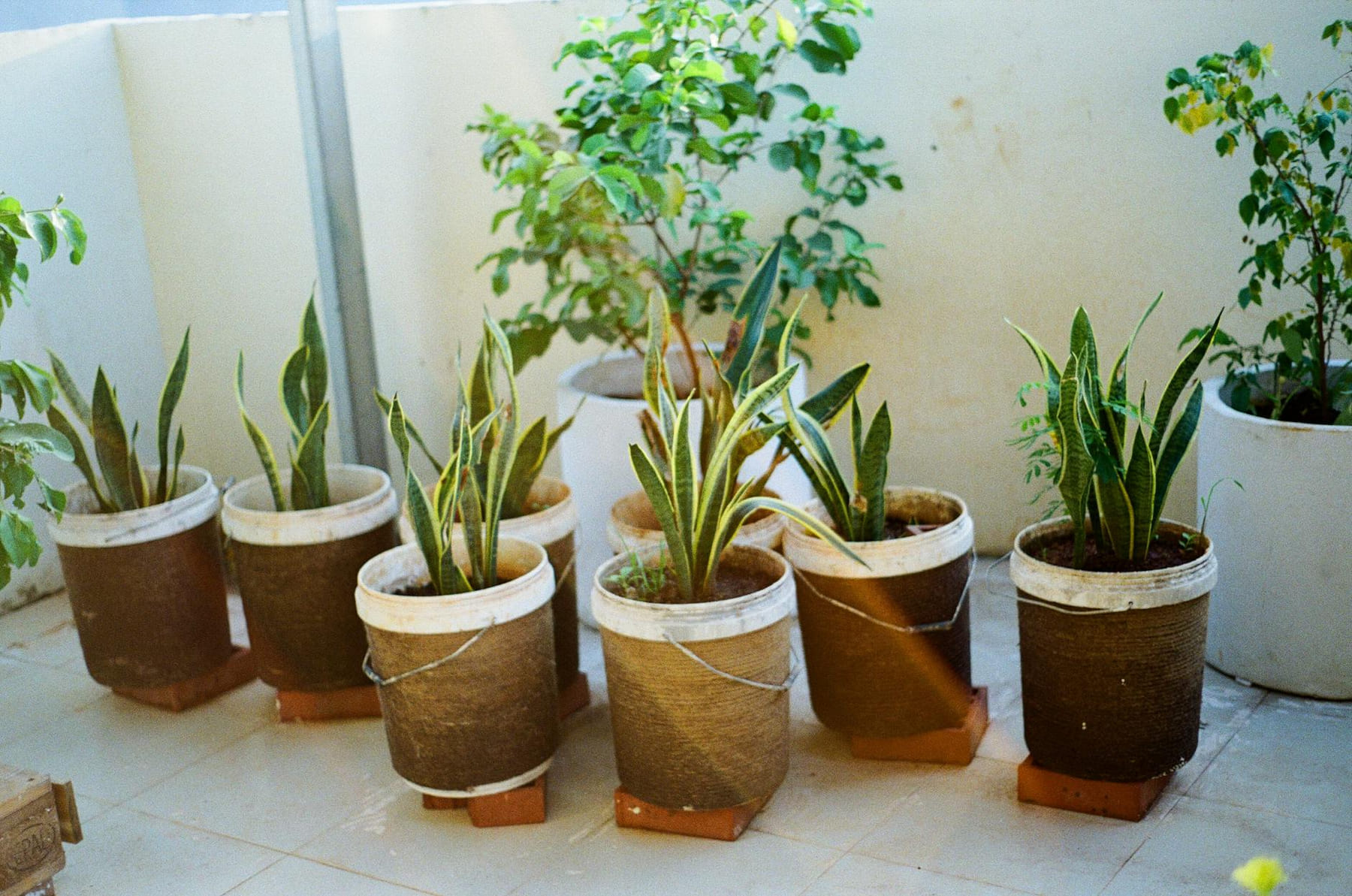
Don’t underestimate the importance of drainage. Ensure all containers have drainage holes to prevent waterlogging. Elevating your containers slightly on pot feet or bricks can further improve drainage.
Soil and Nutrients - The Foundation of Success
Don’t use garden soil in containers! It compacts too easily and doesn’t drain well. Instead, use a high-quality potting mix specifically formulated for containers. Look for a mix that contains peat moss, perlite, and vermiculite for good drainage and aeration. Adding compost to your potting mix will provide essential nutrients.
Fertilizing is crucial. Container plants rely entirely on you for nutrients. Use a balanced liquid fertilizer every 2-4 weeks, following the instructions on the label. Organic options like fish emulsion are excellent choices.
What to Grow on Your Balcony
Now for the fun part! Here are some vegetables that thrive in containers and are well-suited for balcony gardening:
- Easy Winners: Lettuce, spinach, radishes, cherry tomatoes, peppers, basil, mint, chives.
- Slightly More Challenging: Eggplant, cucumbers (trellising is essential), beans (bush varieties are best), kale, zucchini (choose compact varieties).
- Consider Microgreens and Sprouts: These can be grown indoors year-round and provide a quick and nutritious harvest.
Ongoing Care - It’s Not a “Set It and Forget It” Situation
Balcony gardening requires consistent attention. Here’s a breakdown of key tasks:
- Watering: Check the soil moisture daily, especially during hot weather. Water deeply when the top inch of soil feels dry.
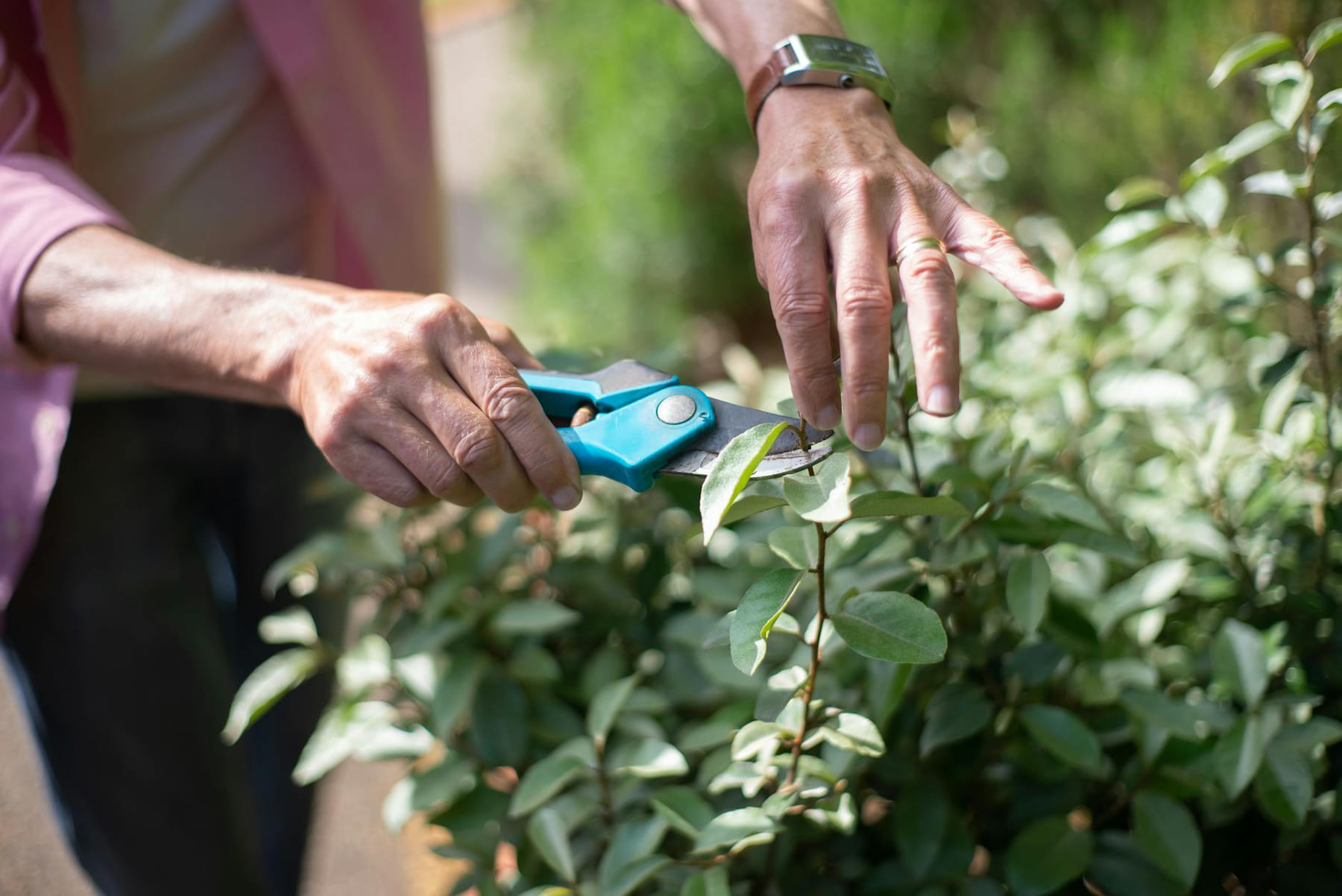
- Pruning: Regularly prune your plants to encourage bushier growth and remove dead or diseased leaves.
- Pest Control: Inspect your plants regularly for pests. Handpicking, insecticidal soap, or neem oil can be effective solutions.
- Support: Provide support for vining plants like tomatoes and cucumbers using stakes, trellises, or cages.
Troubleshooting Common Issues
Even with the best planning, things can go wrong. Here are a few common problems and how to address them:
- Yellowing Leaves: Could be a sign of overwatering, underwatering, or nutrient deficiency.
- Pest Infestations: Identify the pest and use an appropriate control method.
- Poor Fruit Set: Often caused by insufficient pollination. Gently shake the plants or hand-pollinate with a small brush.
- Root Rot: Caused by overwatering and poor drainage. Repot the plant in fresh potting mix and improve drainage.
Start with what you will actually use
With Balcony Veggies: A Small Space Start, the first question is usually not which option looks best on paper. It is which part will make day-to-day life easier, smoother, or cheaper once the novelty wears off.
A lot of options sound great until you picture them in a normal week. If the setup is fussy, the routine is easy to forget, or the maintenance is annoying, the appeal fades quickly.
There is also value in keeping one part of the process deliberately simple. Readers often do better when they identify the one decision that carries the most weight and make that choice carefully before they chase smaller optimizations. That keeps momentum steady and usually prevents the topic from turning into clutter.
What tends to get overlooked
Tradeoffs are normal here. Cost, convenience, upkeep, and flexibility do not always line up neatly, so it helps to decide which tradeoff matters least to you before you commit.
This usually gets easier once you make a short list of priorities. A tighter list tends to produce better decisions than trying to solve every possible problem at once.
Another useful filter is asking what you would still recommend if the budget got tighter, the schedule got busier, or the setup had to be easier for someone else to manage. The answers to that question usually reveal which advice is durable and which advice only works under ideal conditions.
Final Thoughts
Balcony vegetable gardening is a rewarding endeavor that brings fresh, homegrown produce right to your doorstep. Don’t be intimidated by the idea - start small, observe your plants carefully, and experiment to find what works best for your space. With a little patience and the right approach, you’ll be enjoying the fruits (and vegetables!) of your labor in no time. Remember, gardening is a continuous learning process. Embrace the challenges, celebrate the successes, and most importantly, enjoy the journey!
Keep This Practical
The best small-space gardening moves are practical and repeatable. Pick the plant, container, or routine that matches your real conditions instead of forcing the ideal version.