By Mark Conrad - Urban Sprout Corner
Let’s be honest, a sprawling backyard isn’t a reality for a lot of us living in urban environments. But that doesn’t mean you’re cut off from the joy of fresh, homegrown vegetables. A balcony, patio, or even just a sunny windowsill can be transformed into a surprisingly productive garden. The key is strategic planning, choosing the right crops, and maximizing every square inch. This isn't about creating a sprawling farm; it’s about creating a consistently yielding, manageable food source right outside your door. I’ve spent the last few years refining my balcony garden, and I’ve learned a thing or two about making the most of limited space. Let’s get started.
1. Assessing Your Space - The Foundation of Success
Before you even think about seeds, you need to realistically evaluate your balcony. It’s not just about sunlight; it’s about quality of sunlight. Most vegetables need at least six hours of direct sunlight per day. Use a sunlight calculator app (there are plenty free ones) to determine how much sun your space actually receives throughout the day. South-facing balconies generally get the most sun, followed by east and west. North-facing balconies will be the trickiest, best suited for shade-tolerant crops.
Next, consider the weight limit. Balconies have weight restrictions, and soil, containers, and water can add up quickly. A good rule of thumb is to assume around 50 pounds per square foot, but always check with your building management if you're unsure. Lightweight potting mixes and plastic containers are your friends here. Don’t be tempted to overload your space - it’s better to start small and expand later than to risk structural damage.
Finally, think about access to water. Carrying buckets of water up multiple flights of stairs isn’t sustainable. Ideally, you’ll have a nearby water source or be able to install a small, gravity-fed watering system. A simple hose attachment connected to an outdoor faucet can make a huge difference.
2. Choosing the Right Crops - Small Size, Big Impact
Don’t try to grow everything at once. Start with a few easy-to-grow vegetables that thrive in containers. Here are some top contenders for balcony veggies:
- Tomatoes (Determinate Varieties): Choose bush or determinate varieties like ‘Patio’ or ‘Roma’. They’re compact and don’t require extensive staking.
- Peppers (Bell and Chili): Peppers are relatively low-maintenance and produce well in containers.
- Lettuce and Salad Greens: These grow quickly and can be harvested continuously. Consider a cut-and-come-again approach.
- Radishes: Ready in as little as 3-4 weeks, radishes are a fast and rewarding crop.
- Bush Beans: Compact bush beans are perfect for containers and produce a decent yield.
- Herbs (Basil, Mint, Chives): Herbs are incredibly productive in small spaces and add fresh flavor to your meals.
- Strawberries: Hanging baskets are ideal for growing strawberries, providing both beauty and a delicious harvest.
Avoid sprawling plants like pumpkins or watermelons - they simply won’t work in a small space. Focus on compact, productive varieties.
3. Container Gardening - Maximizing Your Limited Space
The right containers are crucial. Choose containers that are at least 12 inches in diameter and depth to provide enough room for root growth. Fabric pots are a fantastic option; they're lightweight, promote air pruning of roots (which encourages stronger root systems), and allow for excellent drainage. Recycled containers, like buckets or plastic storage bins (with drainage holes drilled in the bottom), can also work well - just be mindful of the weight.
Soil is Key: Don’t skimp on the potting mix. Use a high-quality, well-draining potting mix specifically formulated for containers. Garden soil is too heavy and compacts easily. A good mix will contain peat moss, perlite, and vermiculite for optimal drainage and aeration.
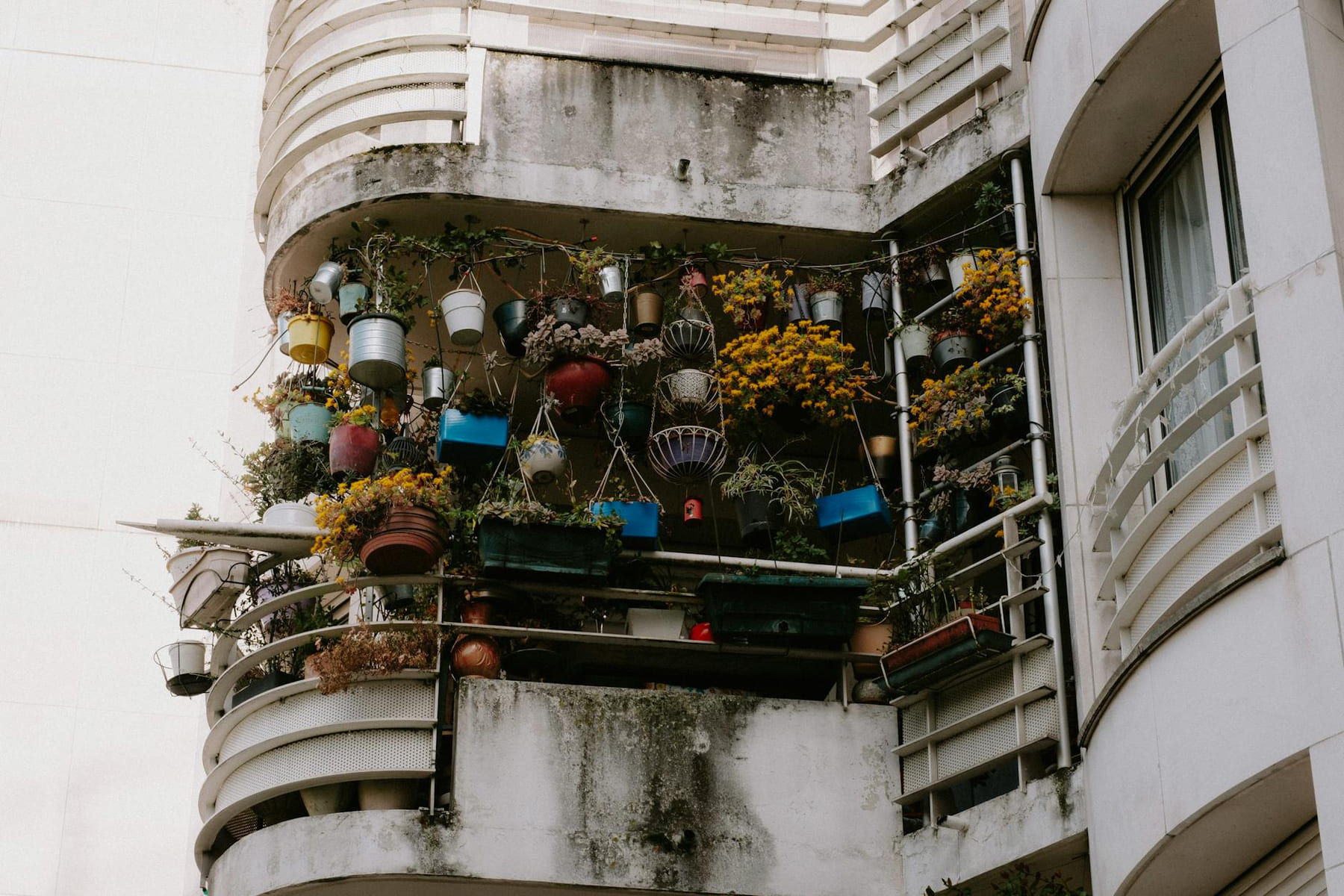
Vertical Gardening: This is where you can really maximize your space. Consider using trellises, hanging baskets, stacked planters, or pallet gardens to grow vining plants like cucumbers, peas, or even tomatoes. A simple DIY trellis made from PVC pipe can be incredibly effective.
4. Watering and Feeding - Consistent Care
Container plants dry out faster than plants in the ground, so consistent watering is essential. Check the soil moisture daily - stick your finger about an inch into the soil. If it feels dry, it’s time to water. Water deeply until water drains out of the bottom of the container. Avoid overhead watering, which can lead to fungal diseases. A watering can with a long spout is ideal.
Fertilizing: Container plants need regular feeding because nutrients are quickly leached out of the soil. Use a balanced liquid fertilizer every two weeks, following the instructions on the label. Organic options like fish emulsion or seaweed extract are excellent choices. Remember, consistent feeding is key to maximizing yields.
5. Pest and Disease Control - Keeping it Healthy
Container gardens are often less susceptible to pests and diseases than in-ground gardens, but they’re not immune. Regularly inspect your plants for signs of pests or diseases. Common balcony pests include aphids, whiteflies, and spider mites. A strong blast of water from the hose can often dislodge pests. For more serious infestations, use insecticidal soap or neem oil - always follow the instructions carefully.
Good air circulation is important for preventing fungal diseases. Space your plants adequately and avoid overcrowding. If you notice any signs of disease, such as powdery mildew or blight, treat it promptly with an appropriate fungicide.
6. Extending the Season - Smart Strategies
To extend your growing season, consider using row covers or cold frames. These simple structures can protect your plants from frost and cold winds, allowing you to harvest vegetables earlier and later in the season. You can build a basic cold frame from recycled materials - a simple wooden box with a clear plastic lid works perfectly. Starting seeds indoors a few weeks before the last frost can also give you a head start.
Balcony veggies don’t have to be a dream - they can be a reality. With a little planning, the right crops, and consistent care, you can enjoy a bountiful harvest right outside your window. Start small, experiment, and most importantly, have fun!
Keep This Practical
Garden progress usually comes from one condition getting a little better: light, watering, soil, or plant choice. Start with the factor that would make the biggest difference in the space you have.