Hi there, and welcome to Urban Sprout Corner! I’m Heather, and if you’ve ever looked out your balcony window and thought, “Wouldn’t it be amazing to grow my own food?” then you’ve come to the right place. Let’s be honest, a sprawling garden might seem like a distant dream, but that doesn’t mean you can’t enjoy the satisfaction of fresh, homegrown veggies. In fact, balcony gardening is a fantastic way to connect with nature, reduce your carbon footprint, and, of course, enjoy delicious, healthy food - all within the confines of your urban space.
I get it. The thought of starting a garden can feel a little daunting. You might worry about not having enough space, not knowing where to begin, or just feeling like you’re not “green-thumbed” enough. But trust me, gardening is a journey, not a race. And the best part is, it’s incredibly rewarding, even if you only manage to grow a single tomato plant. This guide is designed to take away the overwhelm and show you how to create a thriving balcony veggie plot, step-by-step.
Step 1: Assessing Your Balcony - Location, Location, Location!
Before you even think about seeds, let’s take a good look at your balcony. Several factors will influence what you can successfully grow.
- Sunlight: This is *the* most important thing. Most vegetables need at least 6 hours of direct sunlight per day. South-facing balconies usually get the most sun, followed by east and west. North-facing balconies will be trickier, but don’t despair - we’ll talk about shade-tolerant options later. Use a sunlight tracker app on your phone or simply observe your balcony throughout the day to get a sense of how much sun it receives.
- Weight Limits: Balconies have weight limits! Soil, containers, and water can get heavy, especially when wet. Check with your building management if you’re unsure. Lightweight potting mixes and plastic containers are your friends.
- Wind: A windy balcony can dry out plants quickly and even topple over delicate seedlings. Consider a windbreak - a trellis, screen, or even strategically placed larger pots can help.
- Water Access: Having a water source nearby will make your life *so* much easier. If you don’t have an outdoor tap, you’ll need to carry water, which can quickly become a chore.
Step 2: Choosing Your Containers - Small Spaces, Big Potential
The containers you choose will significantly impact your success. Here’s what to consider:
- Size Matters: Bigger isn’t always better, but bigger containers generally hold more moisture and provide more room for roots to grow. For most vegetables, a container at least 12 inches in diameter is a good starting point. Tomatoes and peppers will need larger - 18-24 inches.
- Drainage is Key: Absolutely crucial! Make sure your containers have drainage holes. If they don’t, drill some. Soggy roots are a recipe for disaster.
- Material: Terracotta pots are beautiful but dry out quickly. Plastic or resin pots retain moisture better. Fabric grow bags are lightweight and promote good root aeration.
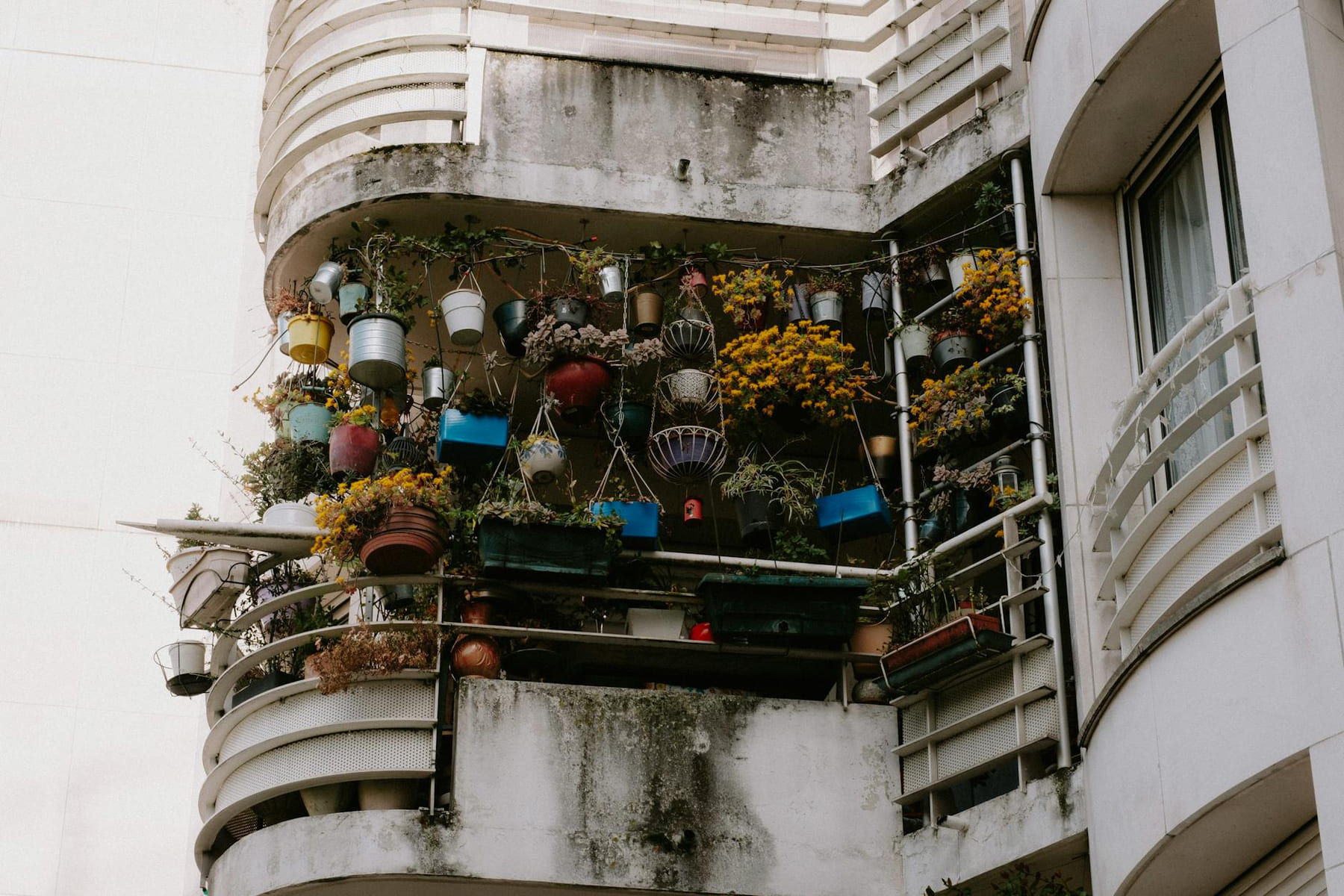
- Vertical Gardening: Don’t forget about vertical space! Trellises, hanging baskets, and stacked planters are fantastic for growing vining plants like cucumbers, beans, and tomatoes.
Step 3: Soil - The Foundation of Your Garden
Don’t use garden soil in containers - it compacts too easily. Instead, use a high-quality potting mix specifically formulated for containers. Look for one that’s lightweight and well-draining. You can also amend your potting mix with compost for added nutrients.
Step 4: What to Grow - Easy Vegetables for Beginners
Now for the fun part! Here are some vegetables that are relatively easy to grow in containers and perfect for beginners:
- Lettuce & Salad Greens: These grow quickly and tolerate partial shade.
- Radishes: Super fast-growing - you’ll be harvesting them in just a few weeks!
- Cherry Tomatoes: Choose determinate (bush) varieties for containers.
- Peppers: Smaller pepper varieties like jalapeños and bell peppers do well in pots.
- Herbs: Basil, mint, chives, and oregano are all easy to grow and add flavour to your meals.
- Bush Beans: Compact varieties are ideal for containers.
- Spinach: Similar to lettuce, spinach thrives in cooler conditions.
Step 5: Planting & Care - Keeping Your Veggies Happy
- Starting Seeds vs. Buying Seedlings: Starting seeds indoors gives you a head start, but buying seedlings is easier for beginners.
- Watering: Water deeply and regularly, especially during hot weather. Stick your finger into the soil - if it feels dry an inch or two down, it’s time to water.
- Fertilizing: Container plants need regular feeding. Use a balanced liquid fertilizer every 2-4 weeks.
- Pest Control: Keep an eye out for pests like aphids and whiteflies. Organic pest control methods, like insecticidal soap, are a good option.
Step 6: Shade-Tolerant Options - Even if You Don’t Have Full Sun
If your balcony doesn’t get much sunlight, don’t give up! You can still grow vegetables. Here are some shade-tolerant choices:
- Leafy Greens: Lettuce, spinach, kale, and arugula.
- Radishes: Surprisingly, they do well in partial shade.
- Chard: A beautiful and productive leafy vegetable.
- Mint: Thrives in shade and can be quite prolific.
A Little Extra - Building a Supportive Community
Gardening shouldn’t feel like a solitary activity. Connecting with other gardeners can provide invaluable support, encouragement, and inspiration. Look for local gardening groups or online forums. Sharing tips and experiences is a wonderful way to learn and grow (pun intended!). You can also find amazing inspiration on social media - search for #balconygarden or #urbangardening for a wealth of ideas.
Final Thoughts - Celebrate Your Successes!
Growing your own vegetables on a balcony is a fantastic way to bring a little bit of nature into your urban life. Don’t be afraid to experiment, make mistakes, and learn along the way. Every little bit of green you bring into your space is a victory. And remember, even if you only manage to grow one tomato plant, you’ve still accomplished something amazing. I truly believe that even the smallest garden can bring immense joy and a sense of connection to the natural world. Now, go on and get sprouting!
Keep This Practical
If you want the advice here to stick, turn it into one change you can observe over the next week or two. Plants tend to reward steady adjustments more than dramatic resets.