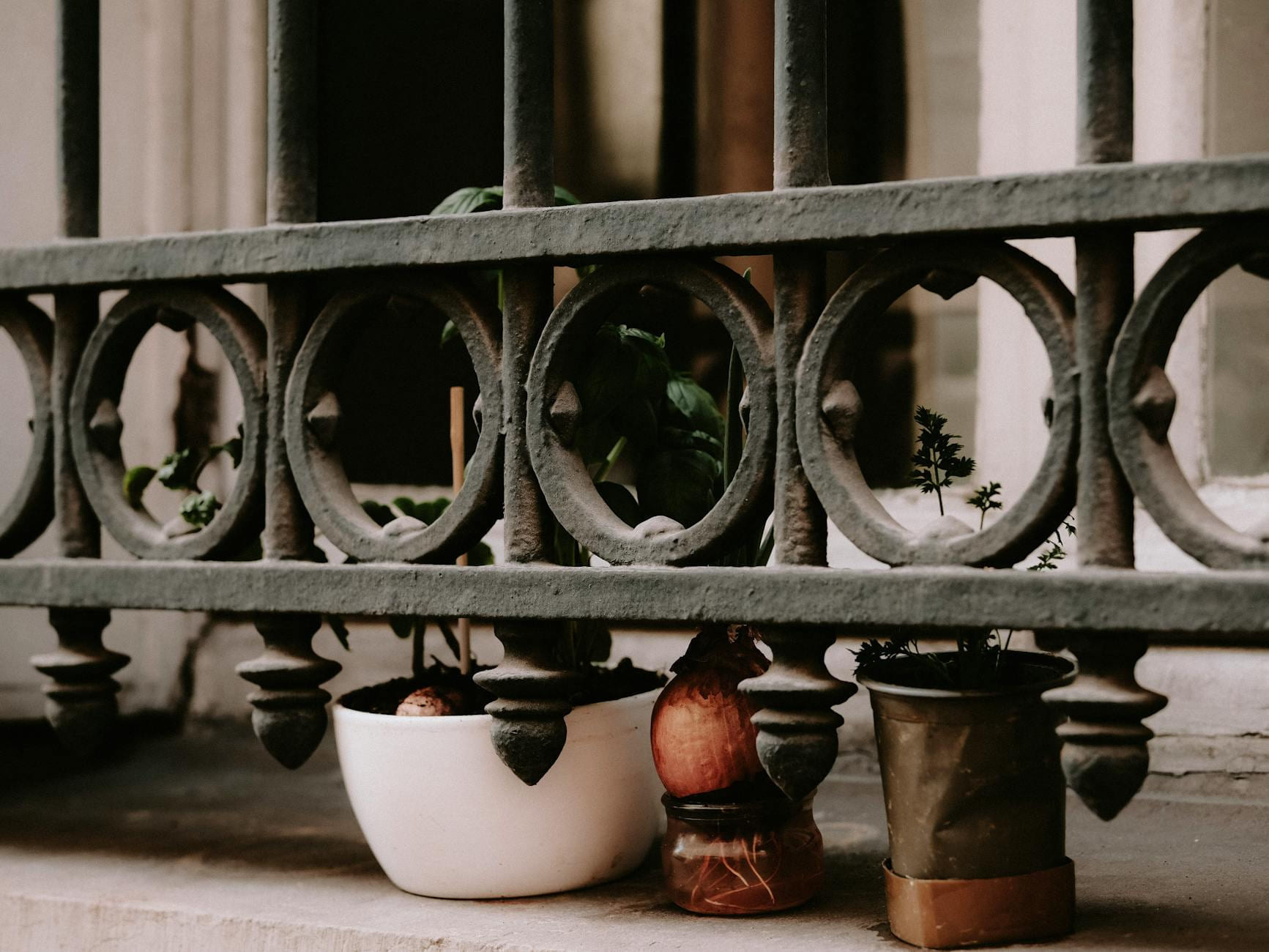
Container Greens: Your Best can be easier to approach when you start with a few practical basics. A thriving container salad garden - imagine the flavor!
Living in an urban environment doesn’t mean you have to sacrifice fresh, delicious greens. In fact, container gardening is a fantastic way to bring a vibrant, healthy salad right to your doorstep, regardless of whether you have a sprawling backyard or just a sunny balcony. But with so many leafy options out there, choosing the “best” salad greens for containers can feel overwhelming. Don’t worry - we’re here to break it down, offering expert advice and highlighting some top performers that thrive in smaller spaces.
Why Grow Salad Greens in Containers? (Container Greens: Your Best)
Before we dive into the best varieties, let’s quickly explore why container gardening for salad greens is such a great idea. It’s surprisingly accessible and rewarding! Here’s a quick rundown:
- Freshness Guaranteed: You harvest exactly what you need, when you need it. No more wilted lettuce from the supermarket!
- Space-Saving: Containers are perfect for balconies, patios, rooftops, and even windowsills.
- Control Over Growing Conditions: You dictate the soil, sunlight, and watering - leading to healthier, tastier greens.
- Therapeutic: Gardening is a proven stress reliever and a fantastic way to connect with nature.
- Cost-Effective: While there’s an initial investment in containers and soil, it’s generally cheaper than buying greens regularly.
Top Salad Greens for Container Gardening
Now for the exciting part! Here’s a breakdown of some of the best salad greens to grow in containers, categorized by ease of growth and space requirements:
1. Loose Leaf Lettuce (Easy & Versatile)
Loose-leaf lettuces are arguably the easiest greens to grow in containers. They don’t need to be headed off like romaine or butter lettuce, meaning you can harvest leaves continuously as needed. They’re also incredibly adaptable to different light conditions - though they’ll thrive in at least 6 hours of sunlight per day.
Popular Varieties: ‘Black Seeded Simpson,’ ‘Red Sails,’ ‘Oakleaf,’ ‘Lollo Rossa’ - all are fantastic choices. ‘Red Sails’ is particularly beautiful and adds a vibrant color to your salads.
Container Size: Minimum 8-inch pot per plant. Larger containers (12-16 inches) will yield more produce.
2. Spinach (Nutrient-Rich & Quick Growing)
Spinach is a nutritional powerhouse and grows surprisingly well in containers. It prefers cooler temperatures and consistent moisture, so regular watering is key. Succession planting - sowing seeds every 2-3 weeks - will ensure a continuous supply of spinach throughout the season.
Popular Varieties: ‘Bloomsdale,’ ‘Melody,’ ‘Tyee’ - ‘Melody’ is known for its smooth, tender leaves.
Container Size: 10-12 inch pot is ideal.
3. Arugula (Peppery Kick)
Arugula (also known as rocket) adds a delightful peppery flavor to salads. It’s a fast-growing annual and thrives in full sun. It’s also quite tolerant of slightly drier conditions than spinach, making it a good choice for container gardeners who occasionally forget to water.
Popular Varieties: ‘Wild Rocket,’ ‘Tuscan’ - ‘Wild Rocket’ is a compact variety perfect for smaller containers.
Container Size: 6-8 inch pot is sufficient.
4. Kale (Hearty & Durable)
Kale is incredibly resilient and can handle a bit more neglect than some other greens. It’s packed with vitamins and minerals and adds a satisfying crunch to salads. While it needs plenty of sunlight, it’s generally a low-maintenance choice.
Popular Varieties: ‘Dwarf Blue Curled Vates,’ ‘Red Russian’ - ‘Red Russian’ has a milder flavor than some other kale varieties.
Container Size: 12-16 inch pot is recommended.
5. Mesclun Mixes (Variety in One Package)
Mesclun mixes are pre-packaged blends of various salad greens - often including a mix of lettuces, arugula, spinach, and other baby greens. They’re incredibly convenient and offer a diverse range of flavors and textures in a single container. Look for mixes specifically labeled for container gardening.
Container Size: 6-8 inch pot per mix.
Container Gardening Essentials
Growing salad greens in containers is more than just planting seeds; it’s about creating the right environment. Here are a few key considerations:
- Potting Mix: Don’t use garden soil! It compacts too easily in containers. Opt for a high-quality potting mix specifically formulated for containers.
- Drainage: Ensure your containers have adequate drainage holes to prevent waterlogging.
- Sunlight: Most salad greens need at least 6 hours of sunlight per day. If you don’t have a sunny spot, consider using grow lights.
- Watering: Container plants dry out more quickly than those in the ground. Check the soil moisture regularly and water when the top inch feels dry.
- Fertilizing: Container plants need regular feeding. Use a balanced liquid fertilizer every 2-4 weeks, following the manufacturer’s instructions.
Expanding Your Harvest: Companion Planting
Want to boost your container garden’s productivity? Consider companion planting! Certain herbs and flowers can benefit your salad greens. For example:
- Basil: Repels pests and adds a delicious flavor to salads.
- Marigolds: Excellent pest deterrents.
- Chives: Improve soil health and add a mild onion flavor.
Troubleshooting Common Problems
Even with the best intentions, problems can arise. Here are a few common issues and how to address them:
- Yellowing Leaves: Could be due to overwatering, underwatering, nutrient deficiency, or pest infestation.
- Pests: Regularly inspect your plants for aphids, slugs, and other pests. Use organic pest control methods like insecticidal soap or neem oil.
- Bolting (Lettuce): Warm temperatures can cause lettuce to bolt (produce flowers). Provide shade during hot weather to prevent this.
Growing salad greens in containers is a rewarding experience that brings fresh, healthy food directly to your table. With a little planning and care, you can enjoy a continuous supply of delicious greens all season long. Happy gardening!
Start with what you will actually use
With Container Greens: Your Best Choices, the first question is usually not which option looks best on paper. It is which part will make day-to-day life easier, smoother, or cheaper once the novelty wears off.
A lot of options sound great until you picture them in a normal week. If the setup is fussy, the routine is easy to forget, or the maintenance is annoying, the appeal fades quickly.
There is also value in keeping one part of the process deliberately simple. Readers often do better when they identify the one decision that carries the most weight and make that choice carefully before they chase smaller optimizations. That keeps momentum steady and usually prevents the topic from turning into clutter.
What tends to get overlooked
Tradeoffs are normal here. Cost, convenience, upkeep, and flexibility do not always line up neatly, so it helps to decide which tradeoff matters least to you before you commit.
This usually gets easier once you make a short list of priorities. A tighter list tends to produce better decisions than trying to solve every possible problem at once.
Another useful filter is asking what you would still recommend if the budget got tighter, the schedule got busier, or the setup had to be easier for someone else to manage. The answers to that question usually reveal which advice is durable and which advice only works under ideal conditions.
Keep This Practical
Garden progress usually comes from one condition getting a little better: light, watering, soil, or plant choice. Start with the factor that would make the biggest difference in the space you have.
Tools Worth A Look
If the article pointed you toward one clearer plant or setup decision, the products below are the closest fit.
- Worth Garden 5 Tier Mini Greenhouse - 75'' H x 27'' L x 19'' W - Sturdy Portable Gardening Shelves with PVC CoverThe Container Garden Blueprint: Easy Steps to Lush, Small-Space Gardening8 Steps to a Thriving Small-Space GardenSeed and Seedling Spacer Tool for Garden - Square Foot Gardening Seed Template for Organized Plants, Vegetables & Fruits
Some of the links on this page are Amazon affiliate links, which means I may earn a small commission if you make a purchase through them. As an Amazon Associate, I earn from qualifying purchases.
Related ReadingMore from Urban Sprout Corner
Container Stakes & Cages: What to Choose
Best Stakes and Cages for Containers - Urban Sprout Corner Best Stakes and Cages for Containers - Grow Big in Small Spaces Let’s be honest, container gardening is.
Container Veggies: What to Grow Now
The options that age well are usually the ones that are easy to repeat. Reliability and low hassle often matter more than the most impressive-looking feature list.
Container Gardening: Seeds to Start Now
Best Beginner Seeds for Containers - Grow Your Own Urban Oasis Best Beginner Seeds for Containers - Grow Your Own Urban Oasis Understanding Container Gardening.