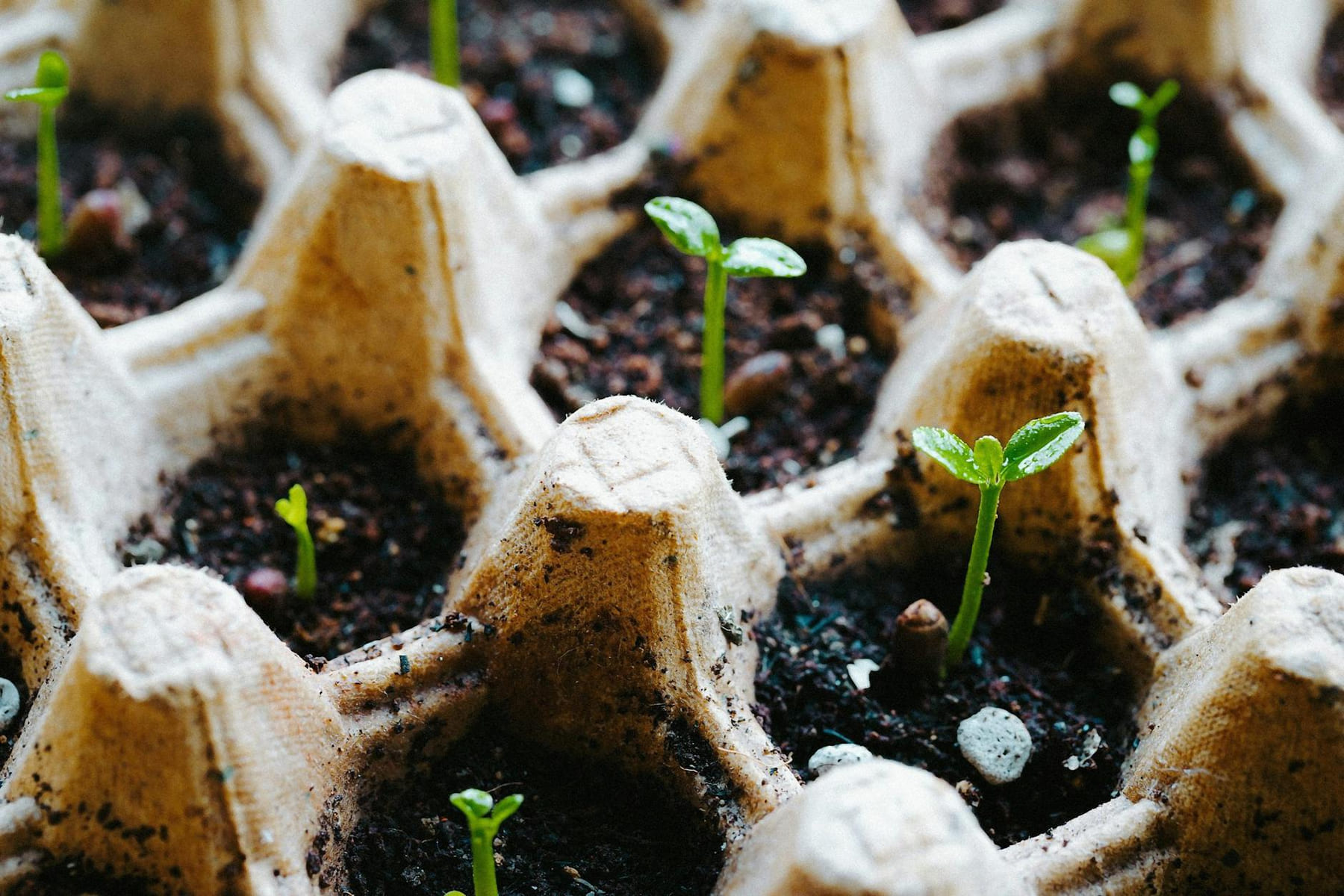
Understanding Container Gardening Basics
Before we dive into specific seeds, let’s quickly cover some key considerations for container gardening. Containers aren’t just glorified pots; they’re mini-ecosystems. Here’s what you need to think about:
- Container Size Matters: Smaller containers (6-8 inches) are great for herbs like basil and chives. Larger containers (12-18 inches) can support tomatoes, peppers, and even small zucchini plants.
- Drainage is Essential: Roots *hate* sitting in soggy soil. Make sure your containers have drainage holes and consider using a well-draining potting mix - avoid garden soil, which compacts too easily.
- Sunlight: Most vegetables and flowering plants need at least 6-8 hours of sunlight per day. Observe your balcony or patio to determine where the sun shines the longest.
- Potting Mix: Use a high-quality potting mix specifically formulated for containers. It’s lighter and provides better aeration than garden soil.
Top Seeds for Beginner Container Gardeners
Now for the exciting part! Here’s a breakdown of some of the best beginner seeds for containers, categorized by what you might want to grow:
1. Herbs - The Easy Wins
Herbs are arguably the easiest plants to grow in containers. They thrive in sun or partial shade and add incredible flavor to your meals.
- Basil: A classic for a reason! Basil needs at least 6 hours of sun. Start seeds indoors 6-8 weeks before the last frost or buy seedlings.
- Chives: These onion-flavored herbs are incredibly low-maintenance. They’ll happily grow in partial shade.
- Mint: Be warned - mint is *aggressive*! It’s best to grow it in its own container to prevent it from taking over.
- Parsley: Both curly and flat-leaf parsley are easy to grow. They prefer partial shade.
- Thyme: A fragrant and versatile herb that loves full sun.
2. Vegetables - Small but Mighty
While some vegetables require more space, several thrive in containers with a little care.
- Tomatoes (Dwarf or Patio Varieties): Look for ‘Patio’ or ‘Tiny Tim’ tomato varieties - they’re bred to stay compact. You’ll need a larger container (at least 12 inches) and support (stakes or cages).
- Peppers (Bell or Chili): Peppers do well in containers, especially in warmer climates. Provide plenty of sunlight.
- Lettuce & Salad Greens: Loose-leaf lettuce varieties are perfect for containers. You can harvest leaves continuously.
- Radishes: These grow incredibly fast - you can harvest them in as little as 3-4 weeks!
- Bush Beans: Bush beans are more compact than pole beans and are well-suited for containers.
- Strawberries (Everbearing Varieties): Strawberries produce fruit throughout the summer and fall. Choose everbearing varieties for a continuous harvest.
3. Flowers - Adding Color to Your Space
Container flowers bring instant joy and vibrancy to your urban garden.
- Petunias: These prolific bloomers come in a huge range of colors and are relatively easy to grow.
- Marigolds: Cheerful and pest-repellent, marigolds are a great choice for containers.
- Impatiens: Perfect for shady spots, impatiens provide a burst of color.
- Pansies & Violas: These cool-season flowers are great for adding color to your containers in the spring and fall.
- Zinnias: These bright, daisy-like flowers attract butterflies and are easy to grow from seed.
Starting Seeds vs. Buying Seedlings
Deciding whether to start seeds indoors or buy seedlings is a personal choice. Starting seeds gives you more control over the growing process and can be more cost-effective in the long run. However, buying seedlings is a quicker and easier option, especially for beginners. For tomatoes and peppers, starting indoors 6-8 weeks before the last frost is recommended. Herbs and lettuce can be directly sown into containers.
Tips for Success
Here are a few extra tips to help you grow a thriving container garden:
- Water Regularly: Container plants dry out more quickly than plants in the ground. Check the soil moisture daily and water when the top inch feels dry.
- Fertilize Regularly: Container plants need regular feeding because nutrients are leached out with watering. Use a balanced liquid fertilizer every 2-4 weeks.
- Deadhead Flowers: Removing spent flowers encourages more blooms.
- Rotate Containers: If your containers aren’t getting enough sunlight, rotate them regularly to ensure even growth.
Let’s Hear From You!
Focus on the part that solves the problem
In a topic like Small Space Gardening, the strongest starting point is usually the one you will notice and use right away. That is often more helpful than adding extra features too early.
Before spending more, it is worth checking the setup, upkeep, and learning curve. Small hassles matter here because they are usually what decide whether something stays useful or gets ignored.
It is easy to underestimate how much clarity comes from removing one unnecessary layer. In practice, trimming one complication often does more for Container Gardening: Seeds to Start Now than adding one more feature, one more product, or one more clever workaround.
Where extra features get in the way
Another easy trap is copying a setup that made sense for someone with a different routine, budget, or tolerance for maintenance. In Small Space Gardening, that mismatch is often what makes a promising idea feel frustrating later.
A lot of options sound great until you picture them in a normal week. If the setup is fussy, the routine is easy to forget, or the maintenance is annoying, the appeal fades quickly.
There is also value in keeping one part of the process deliberately simple. Readers often do better when they identify the one decision that carries the most weight and make that choice carefully before they chase smaller optimizations. That keeps momentum steady and usually prevents the topic from turning into clutter.
What makes the choice hold up
A better approach is to break Container Gardening: Seeds to Start Now into smaller decisions and solve the highest-friction part first. Testing one practical change usually teaches more than trying to perfect everything in a single pass.
Leave a little room to adjust as you go. A setup that works in one budget range, season, or routine might need a small change later, and that is usually normal rather than a sign you got it wrong.
If this topic still feels crowded or overcomplicated, that is usually a sign to narrow the decision, not a sign that you need more noise. One careful adjustment, followed by honest observation, tends to teach more than another round of abstract tips.
How to keep the routine manageable
A grounded next step is usually better than a dramatic one. Pick one realistic change, see how it works in normal life, and let that result guide the next decision.
The version that holds up best is usually the one you can live with on an ordinary day. That often matters more than the version that only feels good when you have extra time, energy, or money.
That is why the best next step is often a modest one with a clear upside. You want something specific enough to act on, flexible enough to adjust, and practical enough that you would still recommend it after the first burst of enthusiasm fades.
Keep This Practical
The best small-space gardening moves are practical and repeatable. Pick the plant, container, or routine that matches your real conditions instead of forcing the ideal version.
Tools Worth A Look
The products here work best when they support healthy plants and simpler routines in the space you actually have.
- Green: Simple Ideas for Small Outdoor SpacesIndoor Vegetable Gardening For Small Spaces: A Holistic Guide For BeginnersSeed Planter Tool, 6.9" Dibber Garden Tool, Plastic Seed Dibbler for Planting, Bulb Digger Garden Planter with Handle for Sowing SeedsHouseplants for Beginners: A Practical Guide to Choosing, Growing, and Helping Your Plants Thrive
Some of the links on this page are Amazon affiliate links, which means I may earn a small commission if you make a purchase through them. As an Amazon Associate, I earn from qualifying purchases.
Related ReadingMore from Urban Sprout Corner
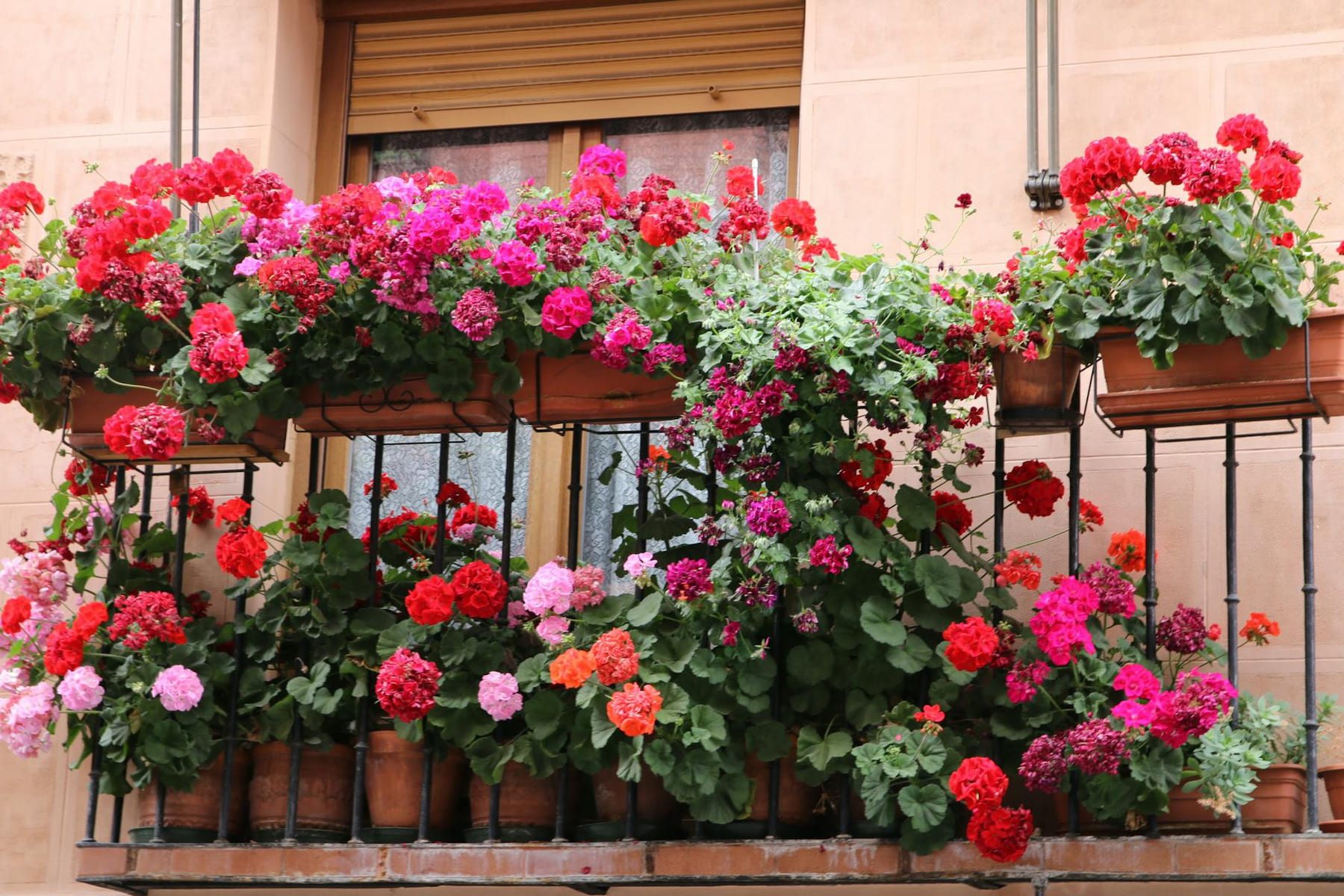
Container Stakes & Cages: What to Choose
Best Stakes and Cages for Containers - Urban Sprout Corner Best Stakes and Cages for Containers - Grow Big in Small Spaces Let’s be honest, container gardening is.
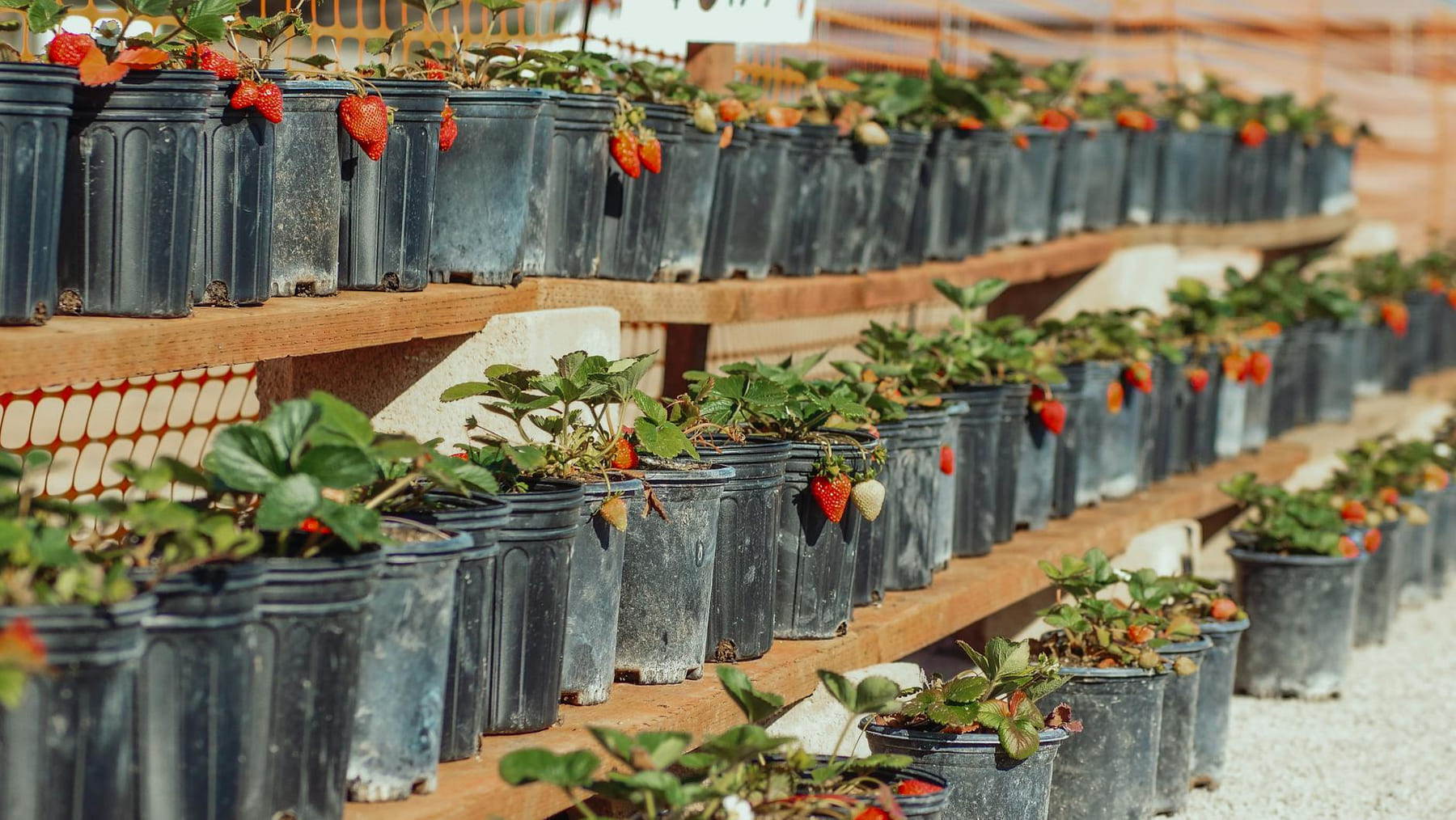
Container Veggies: What to Grow Now
The options that age well are usually the ones that are easy to repeat. Reliability and low hassle often matter more than the most impressive-looking feature list.
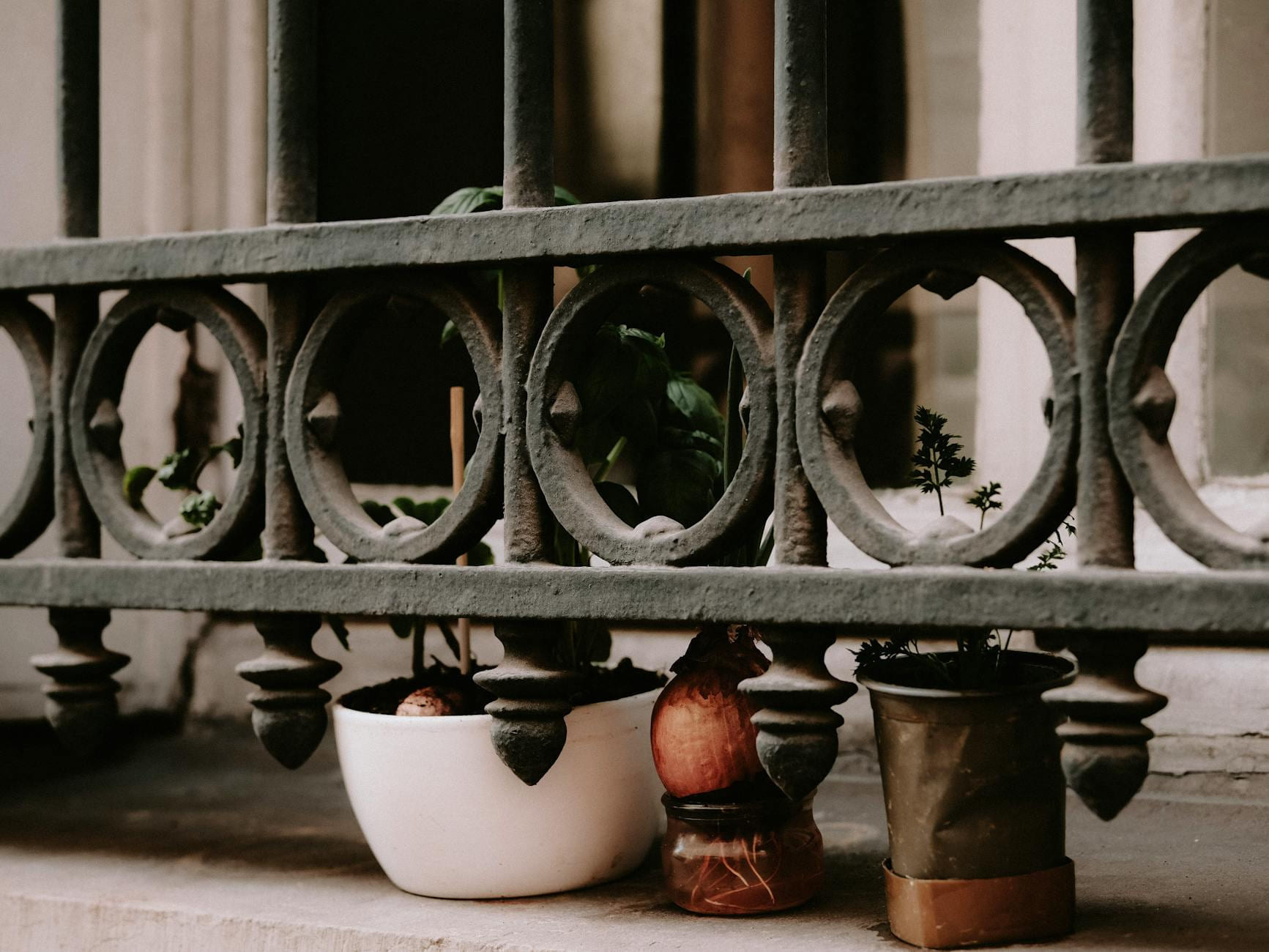
Container Greens: Your Best Choices
Living in an urban environment doesn’t mean you have to sacrifice fresh, delicious greens. In fact, container gardening is a fantastic way to bring a vibrant.