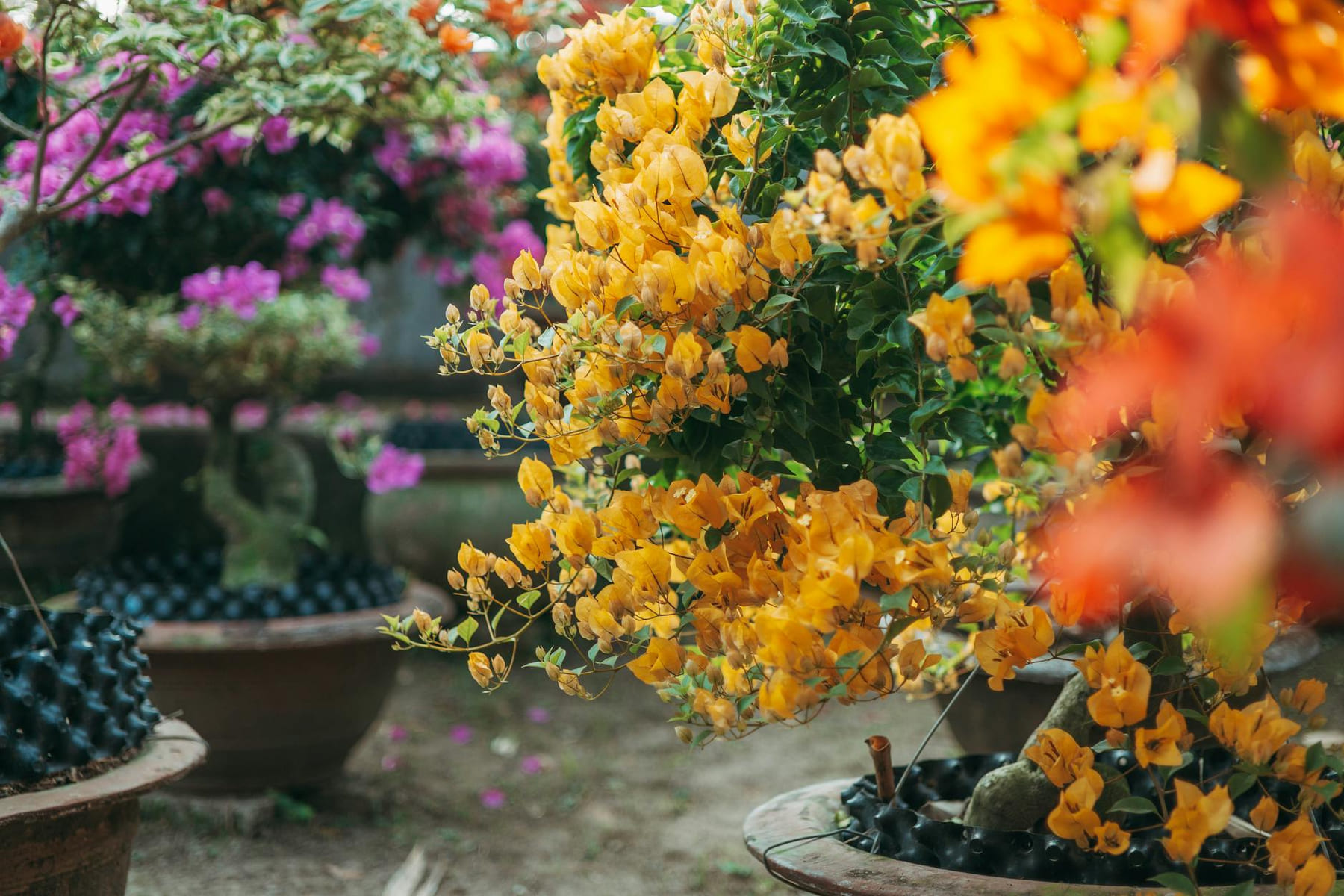
Flowers That can be easier to approach when you start with a few practical basics.
2. Impatiens - If you're looking for shade-loving color, impatiens are your go-to. They’re incredibly reliable, offering a continuous burst of blooms in shades of pink, red, white, and orange. *Care Level: Easy*. 3. Pansies - These cheerful faces are perfect for brightening up early spring. They love cool weather and provide a vibrant splash of color when other flowers are still just waking up. *Care Level: Easy*. 4. Begonias - There’s a begonia for almost every situation. Some love full sun, others thrive in shade. They come in a huge range of colors and forms - from ruffled petals to glossy leaves. *Care Level: Easy to Moderate*. 5. Geraniums - A classic for a reason! These sun-loving beauties are incredibly hardy and produce clusters of bright red, pink, or white flowers. *Care Level: Easy*. 6. Verbena - If you want flowers that just keep on going, verbena is a fantastic choice. It’s drought-tolerant and produces a long season of tiny, vibrant purple, pink, or white flowers. *Care Level: Easy*. 7. Dwarf Marigolds - Don’t let the “dwarf” part fool you; these little guys pack a punch with their bright yellow or orange blooms. They’re also excellent at deterring pests. *Care Level: Easy*. 8. Dusty Miller - This isn’t a flower, per se, but the silvery-grey foliage adds incredible texture and visual interest to a container. It’s a great backdrop for colorful blooms. *Care Level: Easy*. 9. Osteospermum (African Daisy) - These daisy-like flowers come in a range of colors and are relatively low-maintenance. They prefer full sun and well-drained soil. *Care Level: Easy*. 10. Lobelia - Lobelia plants are known for their trailing habit and vibrant blue, purple, or white flowers. They thrive in partial shade and add a touch of elegance to any container garden. *Care Level: Easy*. 2026 has seen the release of some particularly exciting cultivars, like the ‘Velvet Touch’ Petunia, which boasts incredibly velvety petals and a longer bloom time. Another standout is the ‘Midnight Magic’ Impatiens, which features deep, almost black flowers that add a dramatic touch to shady containers.Sunlight & Watering - Meeting Your Flowers’ Needs (Flowers That)
Now that you've picked your flowers, let’s talk about how to keep them happy. Sunlight needs vary dramatically. Full sun plants, like geraniums and marigolds, need at least six hours of direct sunlight per day. Partial shade plants, such as impatiens and lobelia, prefer four to six hours of sunlight, ideally filtered. Shade-loving plants, like dusty miller, need less than four hours. Think about where you’re placing your containers. South-facing windows get the most light, followed by east and west. North-facing windows offer the least. You can also use sheer curtains to filter sunlight if needed. Watering is key. Generally, you’ll need to water more frequently in hot, sunny weather. Stick your finger about an inch into the soil - if it feels dry, it’s time to water. Self-watering containers or watering globes can be a lifesaver, especially if you travel frequently.
Soil & Feeding - Nourishing Your Blooms
Don't just grab any old soil from your backyard. Potting mix is specifically formulated for containers, providing the right balance of drainage and nutrients. Garden soil is too heavy and compacts easily, which can suffocate the roots. Look for a potting mix that contains peat moss, perlite, and vermiculite. Fertilizing is important, but don’t overdo it. A balanced, slow-release fertilizer is a good starting point. You can also use liquid fertilizers every couple of weeks, following the instructions on the label. Organic options, like compost tea, are a great choice for a more sustainable approach.
Pest & Disease Prevention - Keeping it Healthy
Container gardens are generally less prone to pests and diseases than in-ground gardens, but it’s still important to be vigilant. Aphids and powdery mildew are common culprits. Companion planting (like adding basil near tomatoes) can help deter pests. If you spot any problems, treat them promptly with neem oil or insecticidal soap. Good air circulation can also help prevent fungal diseases.
Expanding Your Space - Vertical Gardening
Don’t feel like you’re limited to just pots on the ground! Hanging baskets and wall planters are fantastic ways to maximize space and add a vertical element to your urban garden. Trailing flowers like petunias and verbena do particularly well in hanging baskets.
Pick the easiest win first
Most people get better results with Container Blooms: Flowers That Thrive when they narrow the decision to one real problem. That could be saving time, trimming cost, reducing friction, or making the routine easier to keep up.
This usually gets easier once you make a short list of priorities. A tighter list tends to produce better decisions than trying to solve every possible problem at once.
Another useful filter is asking what you would still recommend if the budget got tighter, the schedule got busier, or the setup had to be easier for someone else to manage. The answers to that question usually reveal which advice is durable and which advice only works under ideal conditions.
The tradeoff most people notice late
One common mistake with Container Blooms: Flowers That Thrive is expecting every option to solve the whole problem. In reality, some choices are better for convenience, some for reliability, and some simply for keeping the budget under control.
Before spending more, it is worth checking the setup, upkeep, and learning curve. Small hassles matter here because they are usually what decide whether something stays useful or gets ignored.
It is easy to underestimate how much clarity comes from removing one unnecessary layer. In practice, trimming one complication often does more for Container Blooms: Flowers That Thrive than adding one more feature, one more product, or one more clever workaround.
What makes this easier to live with
The options that age well are usually the ones that are easy to repeat. Reliability and low hassle often matter more than the most impressive-looking feature list.
In a topic like Small Space Gardening, manageable almost always beats impressive. If something is simple enough to keep using, it is usually doing more real work for you.
Readers usually get better results when they treat advice as something to test and refine, not something to obey perfectly. That mindset creates room for real judgment, which is often the difference between content that sounds smart and guidance that is actually useful.
How to avoid extra hassle
When you are deciding what to do next, aim for the option that reduces friction and gives you a clearer read on what matters most. That is usually how Container Blooms: Flowers That Thrive becomes more useful instead of more complicated.
Leave a little room to adjust as you go. A setup that works in one budget range, season, or routine might need a small change later, and that is usually normal rather than a sign you got it wrong.
If this topic still feels crowded or overcomplicated, that is usually a sign to narrow the decision, not a sign that you need more noise. One careful adjustment, followed by honest observation, tends to teach more than another round of abstract tips.
Keep This Practical
If you want the advice here to stick, turn it into one change you can observe over the next week or two. Plants tend to reward steady adjustments more than dramatic resets.
Tools Worth A Look
These recommendations are most helpful if you want tools or supplies that make a small-space garden easier to grow and maintain.
- Small-Space Container Gardening Guide: Grow Vegetables, Herbs, and Flowers Indoors or Outdoors Using Pots, Planters, and Vertical SystemsHomyhoo 4 Pack Potato Growing Bag with Flap 10 Gallon Planter Pots with Handles and Harvest Window for Potato Tomato and Vegetables8 Steps to a Thriving Small-Space GardenWorth Garden 4 Tier Mini Greenhouse - 63'' H x 27'' L x 19'' W - Sturdy Portable Gardening ShelvesSeed and Seedling Spacer Tool for Garden - Square Foot Gardening Seed Template for Organized Plants, Vegetables & Fruits
Some of the links on this page are Amazon affiliate links, which means I may earn a small commission if you make a purchase through them. As an Amazon Associate, I earn from qualifying purchases.
Related ReadingMore from Urban Sprout Corner
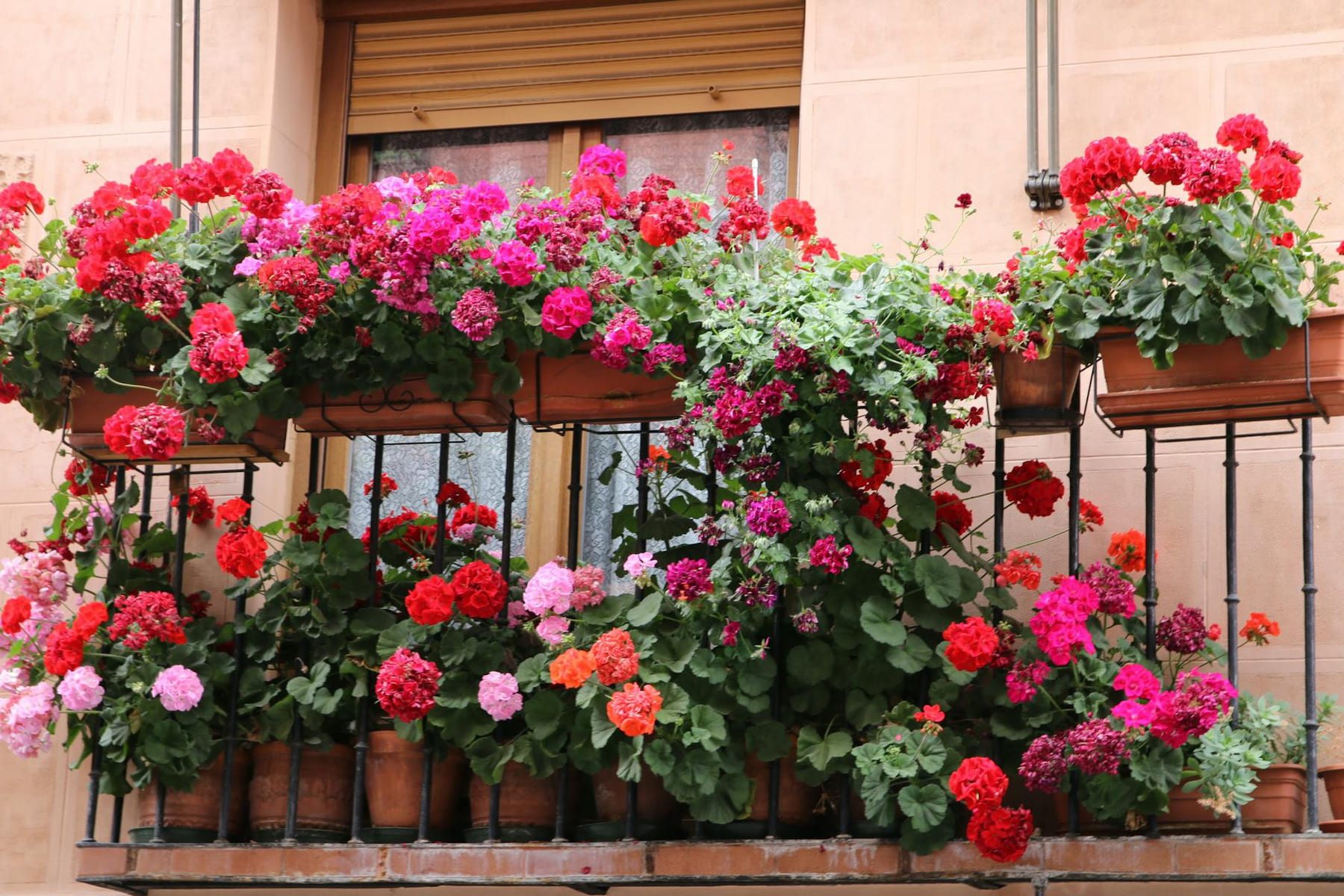
Container Stakes & Cages: What to Choose
Best Stakes and Cages for Containers - Urban Sprout Corner Best Stakes and Cages for Containers - Grow Big in Small Spaces Let’s be honest, container gardening is.
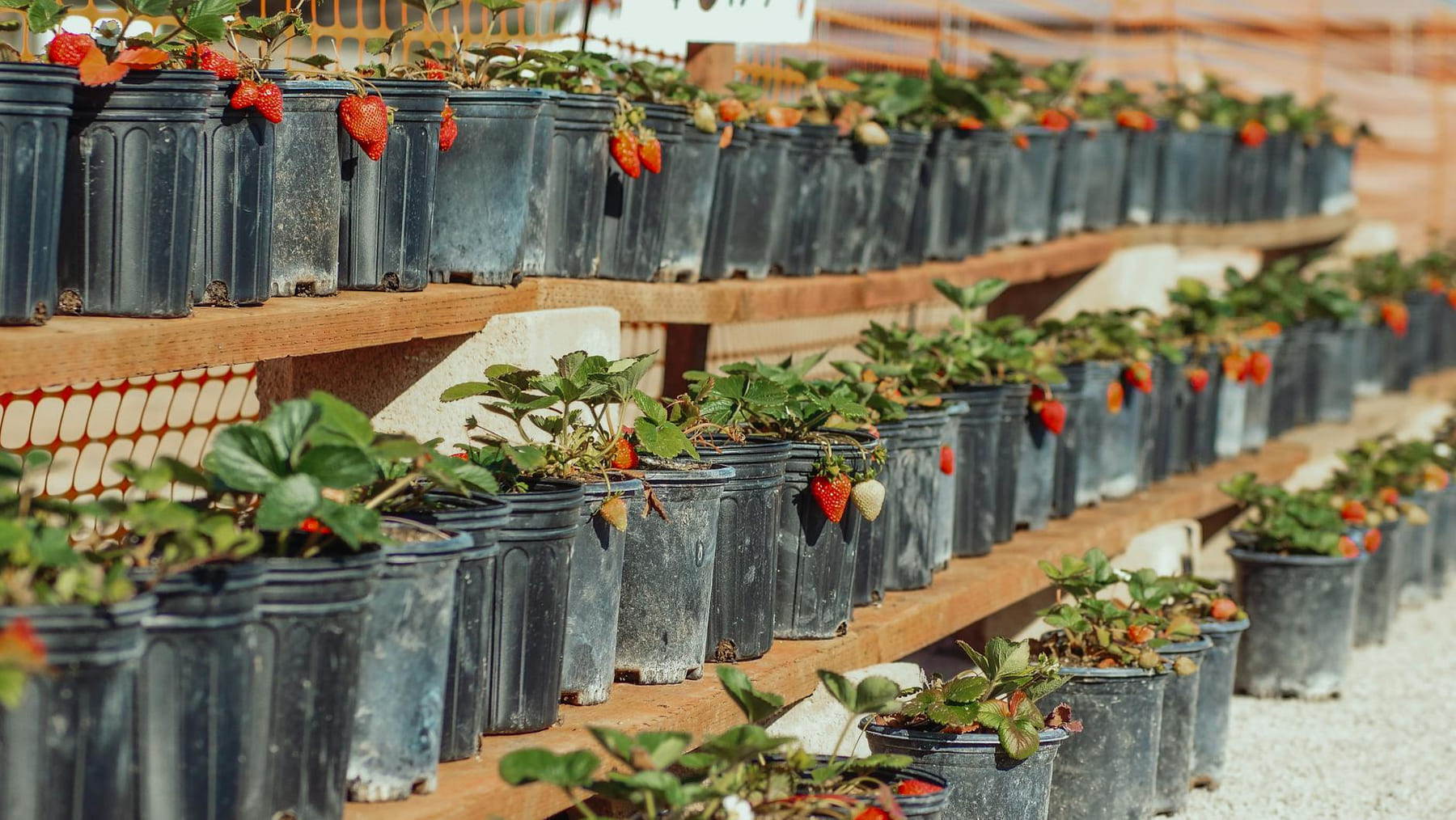
Container Veggies: What to Grow Now
The options that age well are usually the ones that are easy to repeat. Reliability and low hassle often matter more than the most impressive-looking feature list.
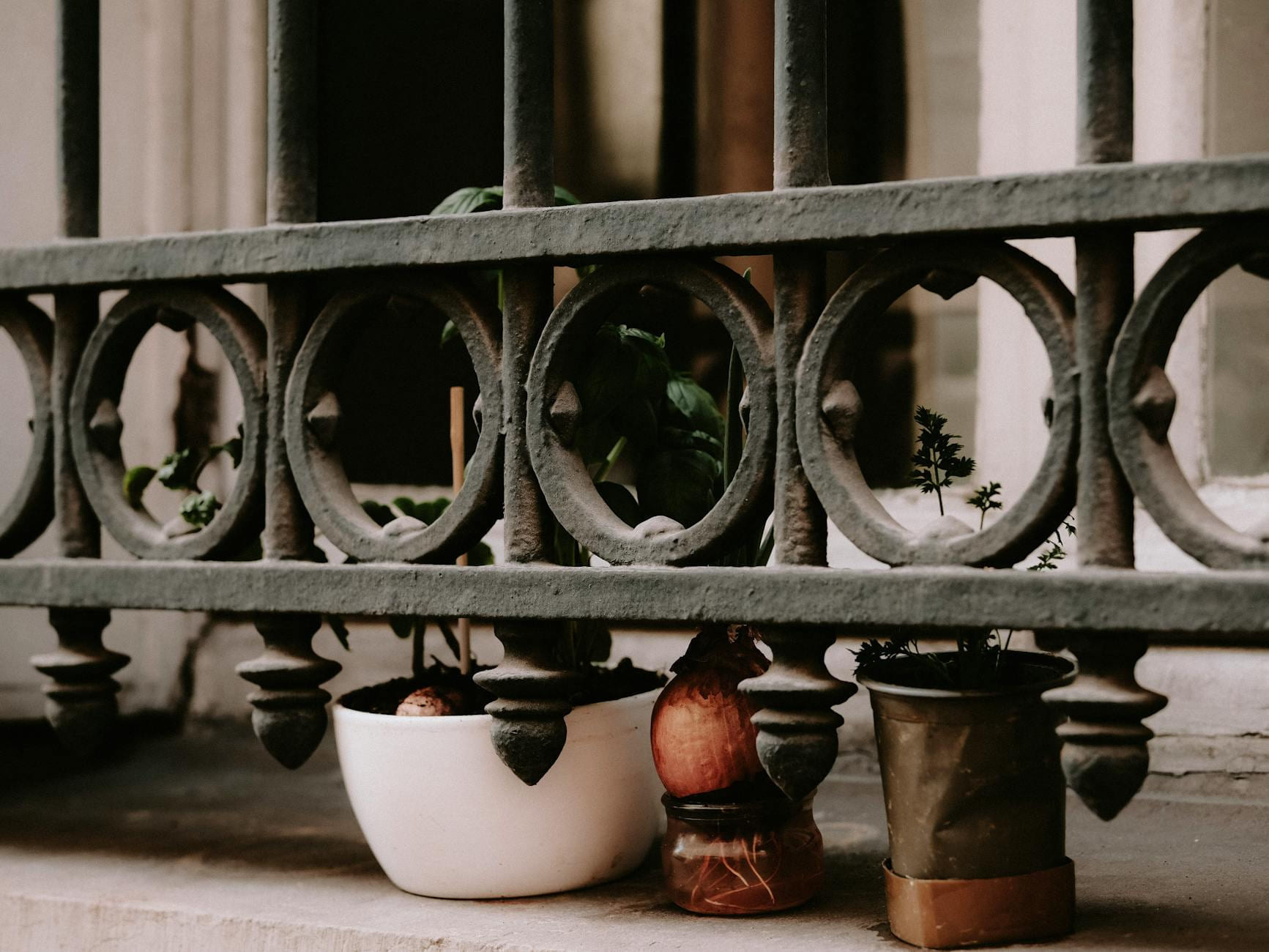
Container Greens: Your Best Choices
Living in an urban environment doesn’t mean you have to sacrifice fresh, delicious greens. In fact, container gardening is a fantastic way to bring a vibrant.