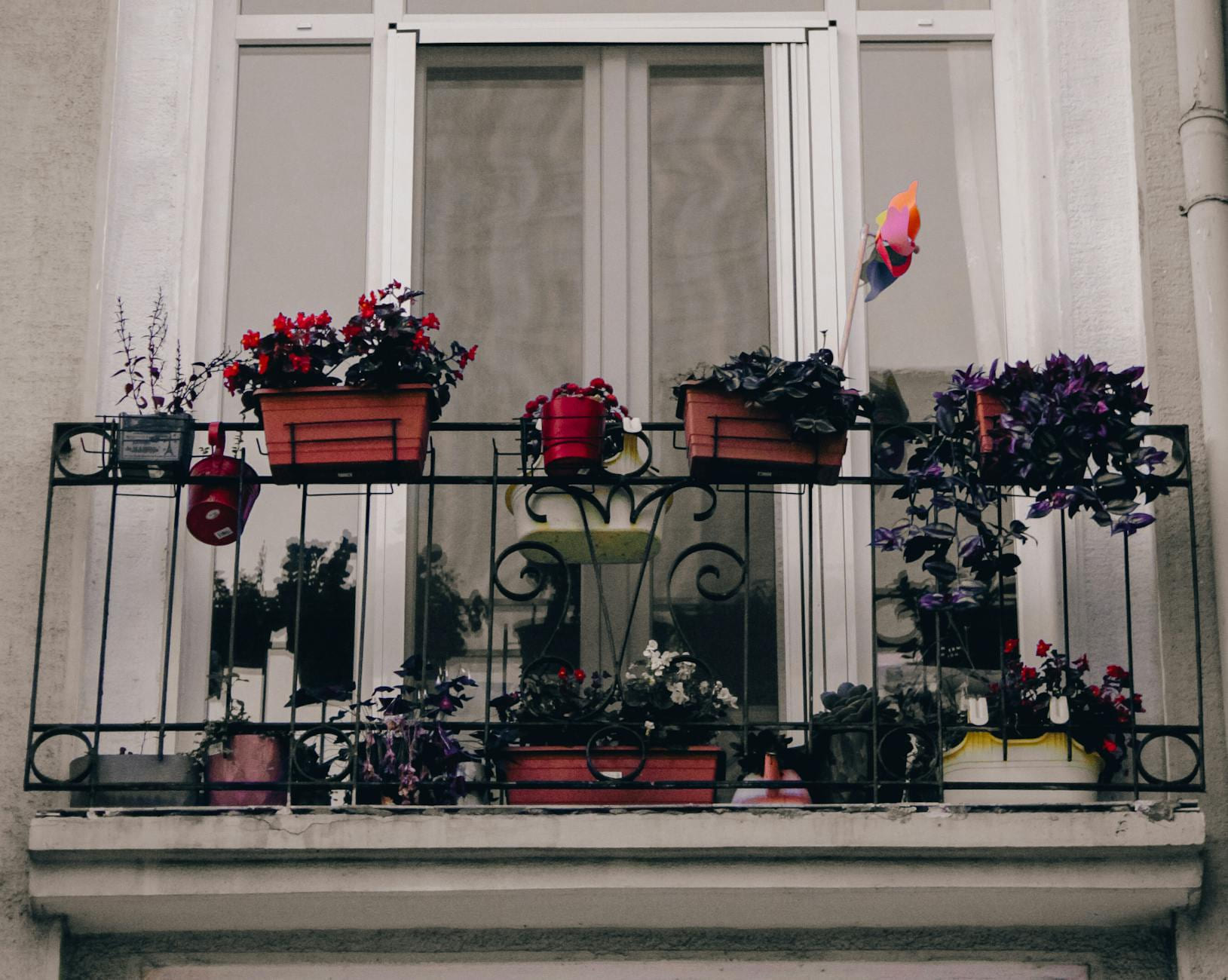
Hey there, fellow urban gardeners! Melissa Givens here from Urban Sprout Corner, and let’s be honest, sometimes our apartments - and especially our balconies - feel a little… cramped. But don’t let that stop you from bringing a little bit of the outdoors in! Today, we’re diving deep into the wonderful world of balcony vines. They’re a fantastic way to add vertical interest, create a lush, green oasis, and even grow your own delicious edibles - all within the confines of a small space. I've spent the last few years experimenting with vines on my own balcony, and let me tell you, it’s been a game-changer. There were definitely a few initial stumbles (a rogue pumpkin vine that took over my railing!), but now I’ve got a thriving collection that I’m incredibly proud of. So, let’s get started!
Why Balcony Vines Are a Game Changer
Okay, let’s talk about why vines are such a brilliant choice for balconies. First and foremost, they’re incredible space savers. Instead of sprawling horizontally, they climb upwards, utilizing vertical space that would otherwise be wasted. Think about it - a single vine can transform a dull, bare wall into a vibrant, textured backdrop. Secondly, they add a huge amount of visual interest. The movement of the leaves in the breeze, the different textures, and the varying shades of green create a dynamic and calming effect. And, of course, many vines produce edible fruits or herbs, adding a practical element to your balcony garden. Finally, they’re surprisingly low-maintenance once established, which is a huge plus for busy city dwellers like us.
Choosing the Right Vines for Your Balcony
Not all vines are created equal, especially when it comes to small spaces. You need to consider factors like sunlight, wind exposure, and your personal preferences. Here’s a breakdown of some of my top recommendations:
- Clematis: These beauties come in a huge range of colors and bloom profusely. They need at least 6 hours of sunlight a day to really thrive. A sturdy trellis is a must!
- Morning Glory: These are incredibly fast-growing and offer stunning, trumpet-shaped flowers. They’re relatively low-maintenance but can be a bit invasive, so keep them contained. A hanging basket is a great option.
- Passionflower (Passiflora): These vines produce incredibly intricate and beautiful flowers, and many varieties produce edible fruit! They need a sunny spot and a bit of support.
- Honeysuckle (Lonicera): The fragrance of honeysuckle is simply divine! Choose a compact variety for a balcony. They prefer morning sun and afternoon shade.
- Small-Leafed Cucumbers & Squash: Yes, you can grow these vertically! Train them up a trellis or netting. They’ll produce a surprising amount of fruit in a small space.
- Nasturtiums: Technically a vine, these edible flowers and leaves add a pop of color and a peppery flavor to salads. They’re incredibly easy to grow and tolerate partial shade.
Important Note: Before you buy any vine, check with your building management to see if there are any restrictions on what you can grow on your balcony. Some buildings have rules about trailing plants or fruit-bearing vines.
Setting Up Your Vine’s Home
Once you’ve chosen your vines, it’s time to create a supportive home for them. Here’s what you’ll need:
- Trellis or Netting: This is essential for most climbing vines. You can buy pre-made trellises or create your own using repurposed materials like bamboo poles or chicken wire.
- Hanging Baskets: Perfect for trailing vines like morning glory or nasturtiums.
- String or Wire: Use this to gently guide the vines as they grow. Don’t be too forceful - you want them to naturally climb.
- Potting Mix: Use a high-quality potting mix that drains well. Vines need good drainage to prevent root rot.
- Container Size: Choose containers that are appropriately sized for the mature size of your vines. Bigger is generally better, especially for larger vines.
Pro Tip: When training your vines, start low and let them climb upwards. Don't try to force them to grow straight up - they’ll naturally follow the support structure.
Care and Maintenance
Growing balcony vines isn’t rocket science, but it does require a little bit of attention. Here’s what you need to know:
- Watering: Water regularly, especially during hot weather. Check the soil moisture by sticking your finger in - if it feels dry an inch or two down, it’s time to water.
- Fertilizing: Feed your vines with a balanced liquid fertilizer every 2-4 weeks during the growing season.
- Pruning: Prune your vines regularly to encourage bushier growth and to remove any dead or diseased stems.
- Pest Control: Keep an eye out for pests like aphids and spider mites. Treat infestations promptly with insecticidal soap or neem oil.
A Word on Sunlight: Pay close attention to the sunlight requirements of your chosen vines. If they’re not getting enough sunlight, they won’t thrive. Consider using reflective surfaces, like mirrors or white paint, to bounce light onto your vines.
Beyond the Blooms: Utilizing Your Vines
Okay, so you’ve got a beautiful collection of balcony vines. But what do you do with them? Here are a few ideas:
- Edible Harvests: Harvest cucumbers, squash, passionfruit, or honeysuckle flowers for salads, jams, or teas.
- Privacy Screens: Dense vines can create a natural privacy screen on your balcony.
- Decorative Elements: Hang baskets of trailing vines to create a romantic and inviting atmosphere.
- Green Walls: Create a stunning green wall by training vines along a wall or fence.
I’ve found that incorporating edible vines into my balcony garden has been incredibly rewarding - not just for the fresh produce, but for the connection to nature and the satisfaction of growing my own food. It’s a small space, but it’s bursting with life!
Focus on the part that solves the problem
In a topic like Small Space Gardening, the strongest starting point is usually the one you will notice and use right away. That is often more helpful than adding extra features too early.
Before spending more, it is worth checking the setup, upkeep, and learning curve. Small hassles matter here because they are usually what decide whether something stays useful or gets ignored.
It is easy to underestimate how much clarity comes from removing one unnecessary layer. In practice, trimming one complication often does more for Balcony Vines: Your Small Space Guide than adding one more feature, one more product, or one more clever workaround.
Where extra features get in the way
Another easy trap is copying a setup that made sense for someone with a different routine, budget, or tolerance for maintenance. In Small Space Gardening, that mismatch is often what makes a promising idea feel frustrating later.
A lot of options sound great until you picture them in a normal week. If the setup is fussy, the routine is easy to forget, or the maintenance is annoying, the appeal fades quickly.
There is also value in keeping one part of the process deliberately simple. Readers often do better when they identify the one decision that carries the most weight and make that choice carefully before they chase smaller optimizations. That keeps momentum steady and usually prevents the topic from turning into clutter.
Keep This Practical
Garden progress usually comes from one condition getting a little better: light, watering, soil, or plant choice. Start with the factor that would make the biggest difference in the space you have.