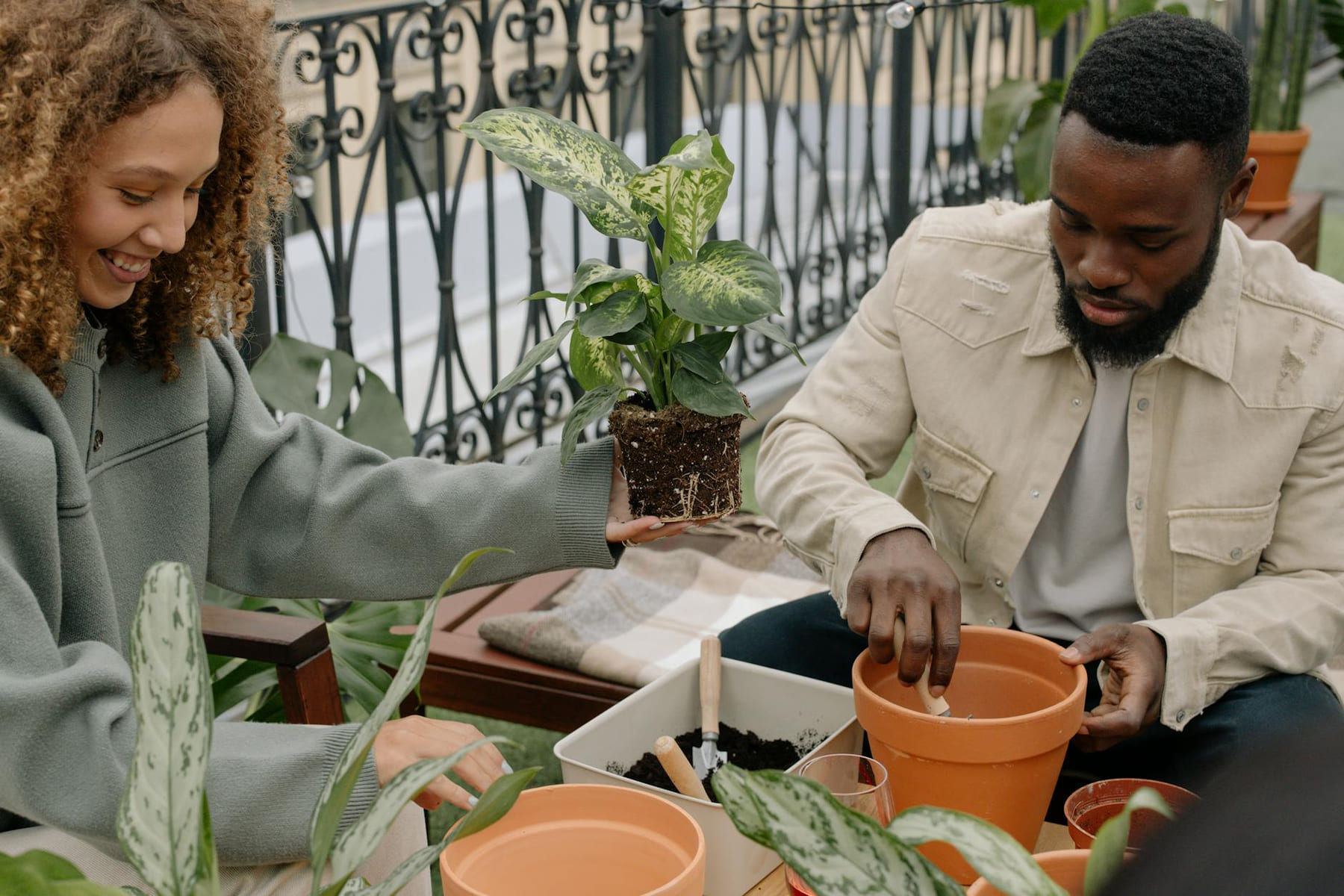
Understanding Your Space: Light, Humidity & Layout
Before you rush out to buy a dozen plants, the first crucial step is assessing your environment. Light is the single biggest factor determining what will flourish in your space. Most houseplants need at least 6 hours of bright, indirect light per day. South-facing windows usually provide the most light, followed by east and west. North-facing windows offer the least, making them ideal for shade-loving plants. Don’t assume that a plant looks like it needs more light - often, it’s struggling and trying to reach for it.
Humidity is another often-overlooked element, particularly in drier climates or during winter when heating systems crank up. Many houseplants, especially tropical varieties, thrive in higher humidity levels than our homes typically offer. If you live in a dry environment, consider grouping plants together - this creates a microclimate of increased humidity. You can also use a humidifier, pebble trays (filled with water and pebbles to raise the humidity around the plant), or even mist your plants regularly (though this is less effective than other methods).
Finally, think about layout. Vertical space is your friend in a small space garden! Consider hanging baskets, shelves, and wall-mounted planters to maximize your growing area. A small, well-organized layout will not only look more appealing but also make it easier to care for your plants.
Top Plants for Small Spaces: A Detailed Guide
Now for the fun part - the plants! Here’s a breakdown of some of the best choices for small spaces, categorized by their needs and characteristics:
- Low-Light Champions: These are perfect for apartments with limited natural light.
- Snake Plant (Sansevieria): Nearly indestructible, tolerates neglect, and purifies the air.
- ZZ Plant (Zamioculcas zamiifolia): Another incredibly resilient option, known for its glossy, dark green leaves.
- Peace Lily (Spathiphyllum): Adds a touch of elegance and cleans the air.
- Medium-Light Lovers: These plants need a decent amount of light but can adapt to a variety of conditions.
- Pothos (Epipremnum aureum): A trailing vine that’s incredibly easy to propagate and comes in a stunning array of varieties. Great for hanging baskets or shelves.
- Philodendron (Various species): Similar to Pothos in care, offering lush foliage and beautiful cascading growth.
- Monstera Deliciosa (Swiss Cheese Plant): A dramatic statement plant with iconic split leaves - just ensure it gets enough light.
- Succulents & Cacti: Perfect for drier environments and those who appreciate minimalist aesthetics.
- Echeveria: Rosette-shaped succulents that come in a rainbow of colors.
- Sedum: Trailing succulents that are ideal for hanging baskets and containers.
- Small Cacti (e.g., Mammillaria): Add a touch of desert charm.
- Compact Herbs & Vegetables: You can grow fresh herbs and small vegetables even in a tiny space.
- Basil: A fragrant and versatile herb that thrives in a sunny spot.
- Chives: Easy to grow and add a delicate onion flavor to your dishes.
- Microgreens: Grow a variety of nutritious greens in a small tray.
Fertilizing: Nourishing Your Little Green Friends
Just like us, plants need nutrients to thrive. However, in a small space, over-fertilizing can be a real problem, leading to burnt roots and stunted growth. A slow-release fertilizer is your best bet - it provides a steady supply of nutrients over several months. Always follow the instructions on the package carefully. As a general rule, fertilize during the growing season (spring and summer) every 4-6 weeks. Reduce or stop fertilizing during the fall and winter when plants are dormant.
Troubleshooting: Common Problems and Solutions
Even with the best intentions, things can sometimes go wrong. Here’s a quick guide to some common issues:
- Yellowing Leaves: Often a sign of overwatering, but can also indicate nutrient deficiency or a pest infestation. Check the soil moisture and inspect the plant for pests.
- Leggy Growth: Usually caused by insufficient light. Move your plant to a brighter location.
- Pests (Aphids, Spider Mites): Treat with organic insecticidal soap or neem oil.
Growing Beyond the Basics: Propagation & Seasonal Shifts
Once you’ve mastered the fundamentals, it’s time to get creative! Propagation - creating new plants from cuttings, divisions, or seeds - is a fantastic way to expand your collection without spending a fortune. Pothos and succulents are particularly easy to propagate. Simply take a cutting and place it in water until roots develop. For succulents, you can often propagate from leaf cuttings.
Don’t forget to consider seasonal changes. In the spring and summer, focus on plants that thrive in bright light. As fall approaches, consider indoor options like ferns, Peace Lilies, or even miniature citrus trees to add a touch of greenery and warmth during the colder months. Rotating your plants periodically can also help them grow evenly and receive adequate light.
Bringing it All Together: Creating Your Urban Oasis
Creating a thriving small space garden is easier than you might think. By understanding your light conditions, choosing the right plants, providing them with basic care, and embracing a little experimentation, you can transform your home into a little oasis of green. Start small, perhaps with just a few plants, and gradually expand your collection as you gain confidence. Don’t be afraid to make mistakes - that’s how you learn! Most importantly, enjoy the process of nurturing your plants and connecting with nature, even in the heart of the city.
Pick the easiest win first
Most people get better results with What is worth knowing about best plants for small spaces when they narrow the decision to one real problem. That could be saving time, trimming cost, reducing friction, or making the routine easier to keep up.
This usually gets easier once you make a short list of priorities. A tighter list tends to produce better decisions than trying to solve every possible problem at once.
Another useful filter is asking what you would still recommend if the budget got tighter, the schedule got busier, or the setup had to be easier for someone else to manage. The answers to that question usually reveal which advice is durable and which advice only works under ideal conditions.
The tradeoff most people notice late
One common mistake with What is worth knowing about best plants for small spaces is expecting every option to solve the whole problem. In reality, some choices are better for convenience, some for reliability, and some simply for keeping the budget under control.
Before spending more, it is worth checking the setup, upkeep, and learning curve. Small hassles matter here because they are usually what decide whether something stays useful or gets ignored.
It is easy to underestimate how much clarity comes from removing one unnecessary layer. In practice, trimming one complication often does more for What is worth knowing about best plants for small spaces than adding one more feature, one more product, or one more clever workaround.
Keep This Practical
The best small-space gardening moves are practical and repeatable. Pick the plant, container, or routine that matches your real conditions instead of forcing the ideal version.
Tools Worth A Look
The products here work best when they support healthy plants and simpler routines in the space you actually have.
- The Self-Sufficient BackyardWorth Garden 4 Tier Mini Greenhouse - 63'' H x 27'' L x 19'' W - Sturdy Portable Gardening ShelvesBeginner's Guide to Successful Container Gardening: Grow Your Own Food in Small Places!The Container Garden Blueprint: Easy Steps to Lush, Small-Space GardeningTiny Space Gardening: Growing Vegetables, Fruits, and Herbs in Small Outdoor Spaces (with Recipes)
Some of the links on this page are Amazon affiliate links, which means I may earn a small commission if you make a purchase through them. As an Amazon Associate, I earn from qualifying purchases.
Related ReadingMore from Urban Sprout Corner
Vegetable Friends: Companion Flowers for Your Garden
Let’s Talk Gardens! - Boosting Your Small Space Vegetable Garden with Companion Flowers Welcome to Urban Sprout Corner! If you’re anything like me, you’re dreaming.
Small Space Blooms: Compact Garden Ideas
Tiny Spaces, Big Harvests: Your Guide to Budget-Friendly Small Garden Ideas Living in the city doesn’t mean you have to say goodbye to the joy of growing your own.
Small Garden Style: Decorating Tiny Spaces
Another easy trap is copying a setup that made sense for someone with a different routine, budget, or tolerance for maintenance. In Small Space Gardening, that.