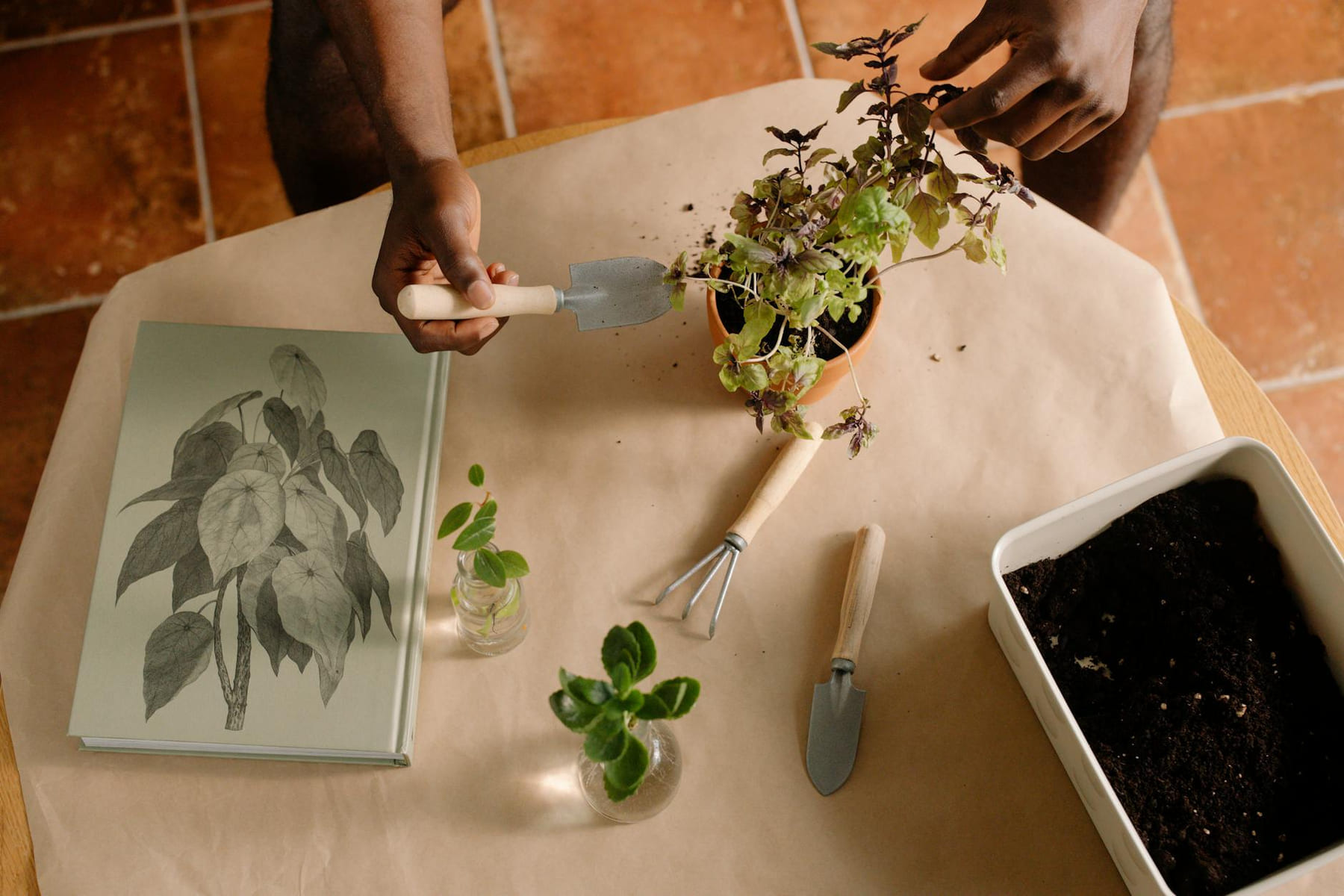
Small Space can be easier to approach when you start with a few practical basics.
Bringing the Outdoors In: Your Guide to the Best Indoor Gardening Kits
Living in an urban environment often means sacrificing space - and sometimes, the connection to nature. But what if you could bring a little bit of the outdoors inside? Indoor gardening is booming, and thankfully, it’s easier than ever to get started, even if you only have a windowsill or a small corner to work with. This guide breaks down the best indoor gardening kits available, catering to different budgets, experience levels, and space constraints. Let’s explore how you can transform your home into a miniature green oasis.
Hydroponics vs. Soil: Which is Right for You?
Before diving into specific kits, it’s important to understand the two main approaches to indoor gardening: hydroponics and soil-based systems.
Hydroponics involves growing plants without soil, using nutrient-rich water solutions. It’s known for its speed, efficiency, and reduced need for watering. However, it can seem a bit more technical initially.
Soil-based systems, on the other hand, utilize traditional potting soil. They’re generally more forgiving for beginners and offer a more familiar gardening experience. Let’s look at some options in each category.
Hydroponic Kits: Fast Growth & Minimal Fuss
Hydroponic kits are a fantastic option for those looking for rapid growth and a hands-off approach. They’re perfect for herbs, leafy greens, and even some smaller vegetables.
* The GrowFlow Pro: If you’re willing to invest a bit more, the GrowFlow Pro takes the guesswork out of hydroponics. This kit boasts smart sensors that constantly monitor pH and nutrient levels, automatically adjusting the solution to ensure optimal growth. It’s a step up in complexity and offers a truly automated experience, retailing for $150 - $220. It’s ideal for those who want a low-maintenance system and are comfortable with a slightly higher price point. Consider it a great investment if you’re serious about consistent results.
* The Simple Sprout: This is the most beginner-friendly hydroponic kit available. It’s incredibly compact and utilizes a simple, gravity-fed system - meaning water flows to the roots naturally. It’s perfect for growing herbs like basil, mint, or chives, or leafy greens like lettuce and spinach. You can typically find it for around $60 - $90. The simplicity of the design makes it easy to understand and manage, even for complete novices. Pros of Hydroponics for Beginners: Significantly faster growth cycles compared to soil, reduced watering needs (you’re only adding nutrient solution, not water), and fewer pest problems - hydroponic systems are naturally less hospitable to many common garden pests. Cons: The initial investment can be higher than soil-based kits, and you’ll need to be diligent about monitoring and adjusting your nutrient solutions and pH levels. It’s crucial to research the specific needs of the plants you’re growing.
Soil-Based Starter Kits: A Classic Approach
For many, the idea of working with soil is comforting and familiar. Soil-based kits are generally more affordable and easier to understand at first glance. They’re a great way to get your hands dirty and learn the basics of plant care.
* The Herb Haven Kit: This kit is specifically designed for growing popular herbs like basil, mint, and chives. It includes a compact grow tray, a self-watering pot (a huge time-saver!), and a small LED grow light. Expect to pay around $50 - $75. The integrated self-watering system is a standout feature, ensuring consistent moisture levels without constant monitoring.
* The Succulent Starter: If you’re drawn to low-maintenance plants, this kit is perfect. It includes a collection of small, beautiful succulents, a decorative pot, and a soil mix specifically formulated for succulents - crucial for their unique needs. Around $40 - $60. Succulents are known for their resilience and ability to thrive in drier conditions, making them a great choice for beginners.
* The Microgreen Magic Kit: Microgreens are incredibly nutritious and grow incredibly quickly - you can harvest them in just 7-14 days! This kit provides everything you need to cultivate different microgreens, including radish, broccoli, and kale. Around $35 - $55. Microgreens offer a concentrated dose of vitamins and minerals, and they’re a fantastic addition to salads and sandwiches.
Considerations for Soil-Based Kits: Choosing the right soil mix is absolutely crucial - avoid anything that’s too heavy or compacted, as it can hinder root growth. Seed selection matters too; start with easy-to-grow varieties like basil, lettuce, or herbs. Also, ensure your grow tray or pot has adequate drainage to prevent root rot.
Vertical & Modular Systems: Making the Most of Your Space
If floor space is truly at a premium, consider a modular or vertical gardening system. These systems allow you to grow multiple plants in a small footprint, often by stacking or hanging containers.
* The Stack & Grow System: This kit consists of interlocking containers that can be stacked vertically to create a tiered garden. It’s expandable and customizable - you can add more containers as your collection grows. Around $70 - $100. This system is fantastic for maximizing space and creating a visually appealing display.
* The Wall Garden Starter: This kit includes a wall-mounted frame and several small planters, perfect for creating a living wall. It’s a stylish way to add greenery to a small space and can transform a blank wall into a vibrant focal point. Around $60 - $85. Consider the weight of the plants and the frame when selecting a location for your wall garden.
Key Features to Look For
Regardless of the kit you choose, certain features will make your indoor gardening experience smoother and more successful.
* LED Grow Light with a Full Spectrum: Essential for providing the right light for plant growth. Look for a full-spectrum LED grow light that mimics natural sunlight. Different plants have different light requirements, so research the needs of your chosen plants.
* Self-Watering Systems: Take the guesswork out of watering. These systems automatically deliver water to the roots, ensuring consistent moisture levels.
* Starter Plants - Seeds or Seedlings: Starting with seeds can be more economical, but seedlings offer a head start and are often easier for beginners.
* Drainage: Adequate drainage is crucial to prevent root rot, especially in hydroponic systems.
Maintenance Tips for Small Space Success
Don’t be intimidated! Indoor gardening doesn’t have to be complicated. Here are a few quick tips to keep your plants thriving:
* Watering: Stick to a consistent watering schedule. Overwatering is a common mistake - always check the soil moisture before watering.
* Fertilizing: Use a liquid fertilizer diluted according to the instructions. Don't over-fertilize, as this can damage your plants.
* Pruning: Regularly prune your plants to encourage bushier growth and remove any dead or yellowing leaves.
* Pest Control: Keep an eye out for pests. Introduce beneficial insects (like ladybugs) or use organic pest control solutions if needed. Low light can sometimes make plants more susceptible to pests, so ensure adequate lighting.
Bringing the Green Home
Indoor gardening is a fantastic way to add a touch of nature to your urban life. With the right kit and a little care, you can cultivate a thriving indoor garden, even in the smallest spaces. Start exploring the options we’ve highlighted today - you might be surprised at how rewarding it is to grow your own food or simply enjoy the beauty of plants indoors.
--- (Affiliate links would be inserted here at this point - if applicable)
Keep This Practical
The best small-space gardening moves are practical and repeatable. Pick the plant, container, or routine that matches your real conditions instead of forcing the ideal version.
Tools Worth A Look
The products here work best when they support healthy plants and simpler routines in the space you actually have.
- Gardening in Small Spaces: Creative Ideas from America's Best GardenersMr. Stacky 1305-HG 5-Tier Stackable Strawberry, Herb, Flower, & Vegetable PlanterSmall Space GardeningVertical Vegetables & Fruit: Creative Gardening Techniques for Growing Up in Small SpacesElizabeth Mott Thank Me Later Face Primer
Some of the links on this page are Amazon affiliate links, which means I may earn a small commission if you make a purchase through them. As an Amazon Associate, I earn from qualifying purchases.
Related ReadingMore from Urban Sprout Corner
Vegetable Friends: Companion Flowers for Your Garden
Let’s Talk Gardens! - Boosting Your Small Space Vegetable Garden with Companion Flowers Welcome to Urban Sprout Corner! If you’re anything like me, you’re dreaming.
Small Space Blooms: Compact Garden Ideas
Tiny Spaces, Big Harvests: Your Guide to Budget-Friendly Small Garden Ideas Living in the city doesn’t mean you have to say goodbye to the joy of growing your own.
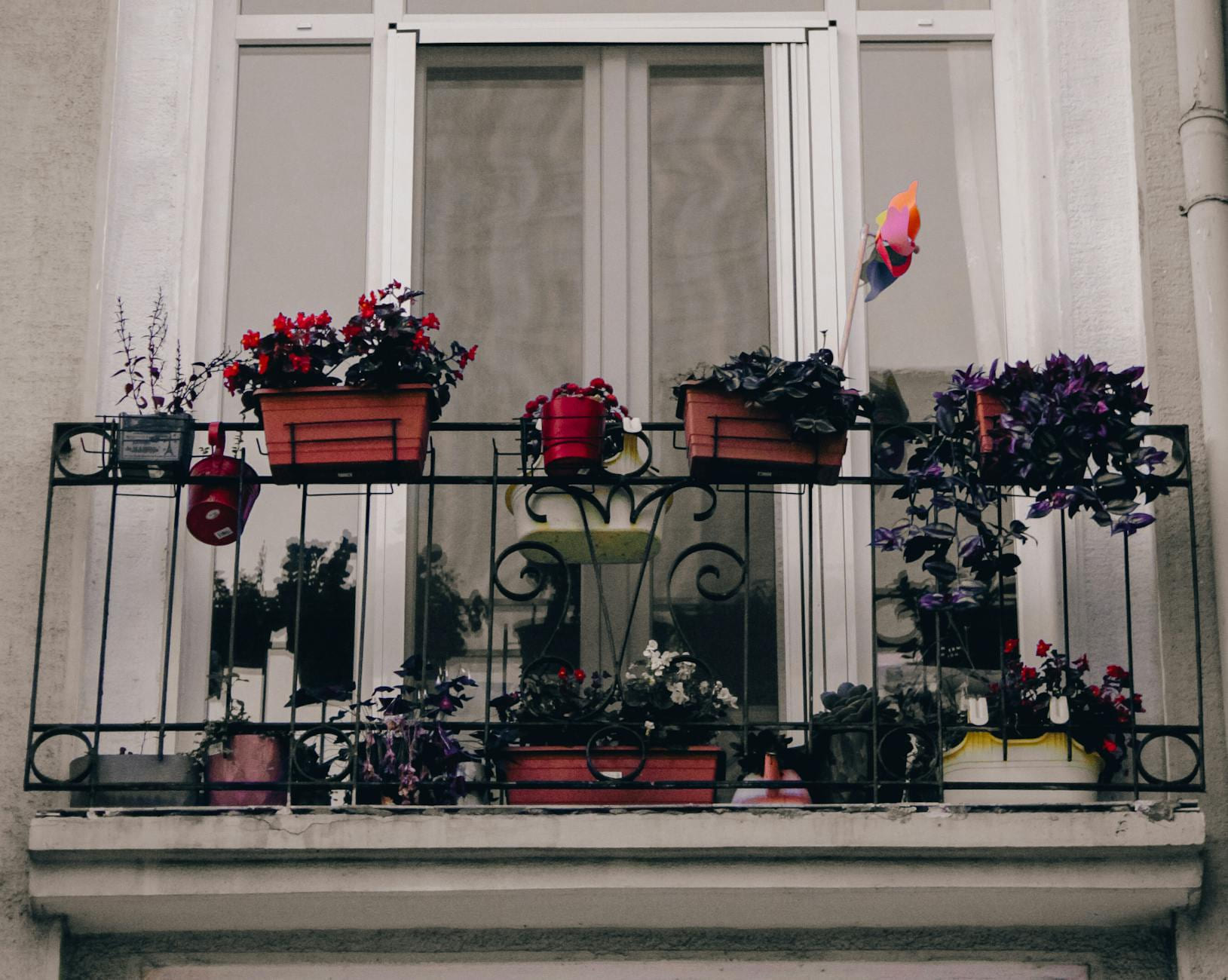
Small Garden Style: Decorating Tiny Spaces
Another easy trap is copying a setup that made sense for someone with a different routine, budget, or tolerance for maintenance. In Small Space Gardening, that.