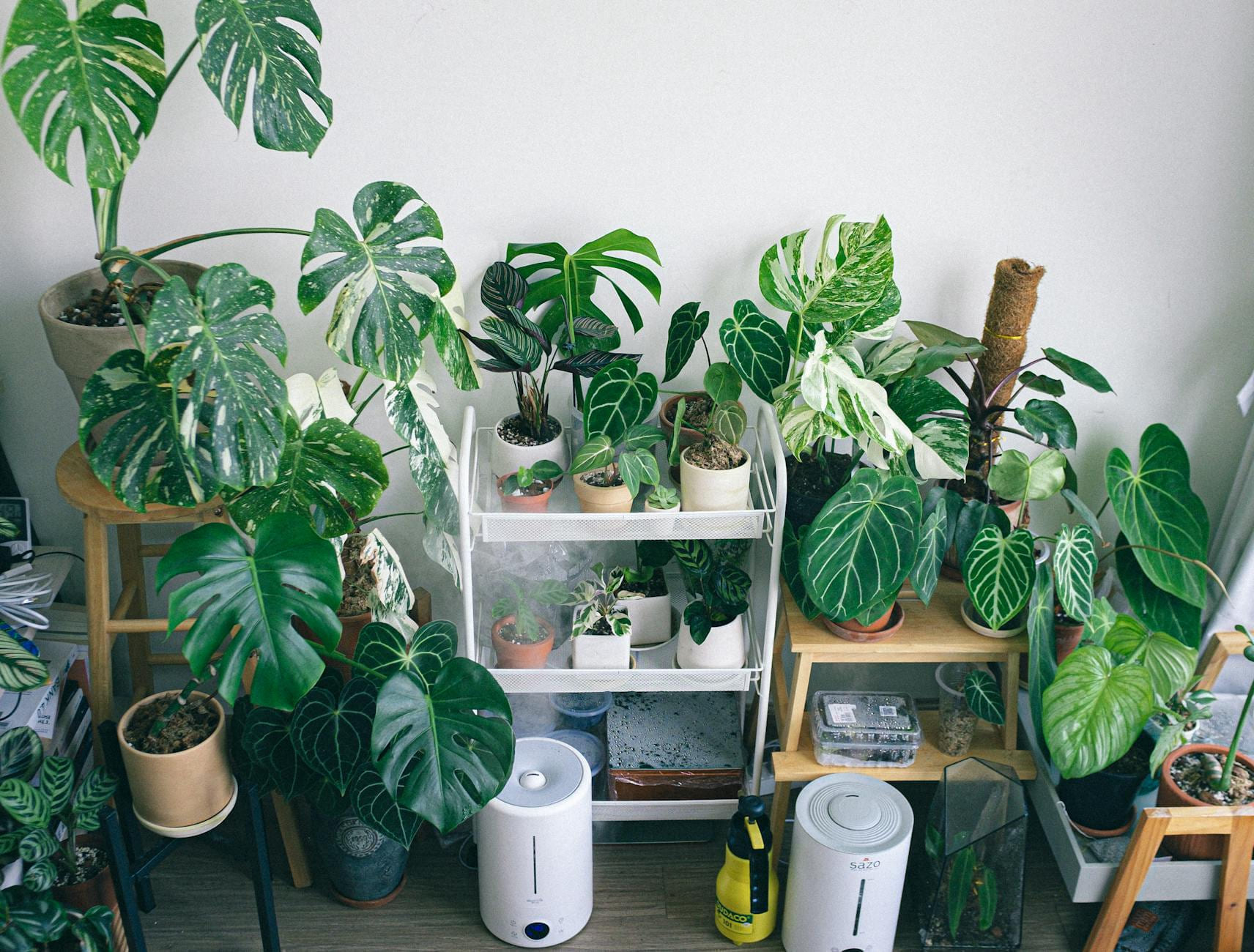
The Best Humidifiers for Indoor Plants: Breathe Easy and Watch Them Thrive
Understanding the Importance of Humidity for Indoor Plants (the Right Humidifier)
the Right Humidifier can be easier to approach when you start with a few practical basics. Plants, just like us, thrive in environments with optimal moisture levels. While some plants, like succulents and cacti, prefer drier conditions, the vast majority of houseplants - from ferns and orchids to peace lilies and monsteras - require humidity levels between 50% and 70%. When the air is too dry, the plant’s cells struggle to absorb water through their leaves, leading to dehydration. This manifests in visible symptoms like brown, crispy leaf tips and edges, wilting, and a general decline in vigor. Furthermore, dry air weakens a plant’s defenses, making it more vulnerable to fungal diseases and infestations like spider mites. Think of it this way: a humid environment is like a refreshing drink for your plants, keeping them hydrated and healthy from the inside out.
Top Humidifier Recommendations for Small Spaces
Choosing the right humidifier can feel overwhelming, with so many options on the market. We’ve rounded up some of the best humidifiers for indoor plants, considering factors like noise level, capacity, ease of use, and value. Here’s a breakdown of our top picks:
- The BreezeFlow Plus: (Around $120) A significant step up in terms of capacity and smart features, the BreezeFlow Plus boasts a 2-liter tank and a built-in humidity sensor. This sensor is a game-changer, automatically adjusting the mist output to maintain your desired humidity level - no more guesswork! It’s slightly louder than the WhisperWave Mini (around 45dB), which is noticeable, but the convenience of automated humidity control is well worth it for many plant parents. Reviewers consistently praise its smart features and the peace of mind it provides, especially for those with a larger collection of plants. It also has a cool-mist operation, which is safer for plants than warm mist humidifiers.
- The EverDry Compact: (Around $60) This evaporative humidifier is a solid budget option that doesn’t compromise on effectiveness. While it’s not as quiet as the ultrasonic models (around 55dB), it’s surprisingly effective at increasing humidity and is incredibly easy to clean - a huge plus for busy plant owners. The 1.5-liter tank is a good compromise between capacity and portability, making it ideal for smaller spaces or individual plants. The evaporative design is gentle on plants, producing a fine, cool mist.
- WhisperWave Mini: (Around $40) Perfect for a single plant or a small grouping, the WhisperWave Mini is incredibly quiet (around 30dB) and takes up minimal space. Its ultrasonic technology produces a fine, almost invisible mist, ideal for delicate plants like orchids and ferns. The 0.5-liter tank is compact, but refills are frequent.
- Levoit Classic NT600: (Around $80) A popular choice for its versatility, the Levoit Classic NT600 isn't *just* a humidifier; it’s also an air purifier. It features a HEPA filter to remove dust, pollen, and other allergens, making it a great all-in-one solution. It has a 1.5-liter tank and operates at around 40dB, offering a good balance of performance and quietness.
Humidifier Types: Ultrasonic vs. Evaporative
Understanding the different types of humidifiers can help you make the best choice for your plants and your home. The two main categories are ultrasonic and evaporative:
- Ultrasonic Humidifiers: These use vibrations to create a fine mist. They’re generally quieter than evaporative models and produce a more consistent humidity level. However, they can sometimes produce white dust if you’re using hard water.
- Evaporative Humidifiers: These use a fan to blow air over a wet wick or filter, causing the water to evaporate. They’re typically more affordable and don’t produce white dust, but they can be louder and may not be as effective at maintaining a consistent humidity level.
Maintenance and Care: Keeping Your Humidifier Happy
To ensure your humidifier continues to perform optimally and doesn’t become a breeding ground for bacteria or mold, regular maintenance is essential. Here are a few key tips:
- Clean Regularly: Empty and clean your humidifier at least once a week, and more frequently if you notice mineral buildup or an unpleasant odor. Use a mild vinegar and water solution to disinfect the tank.
- Use Distilled Water: Tap water contains minerals that can build up in the humidifier and create white dust. Distilled water is pure and won’t contribute to this problem.
- Replace Filters (if applicable): Some humidifiers have filters that need to be replaced periodically. Follow the manufacturer’s instructions for filter replacement.
Beyond the Humidifier: Creating a Holistic Environment
While a humidifier is a fantastic tool, it’s just one piece of the puzzle. Consider these additional factors for optimal plant health:
- Potting Mix: Ensure your plants are potted in well-draining potting mix that retains moisture adequately.
- Watering Practices: Water deeply and consistently, allowing the top inch of soil to dry out between waterings.
- Grouping Plants: Grouping plants together creates a microclimate with higher humidity levels.
- Leaf Cleaning: Regularly wipe down the leaves of your plants to remove dust and allow them to absorb more light and moisture.
Conclusion
Maintaining the right humidity levels is absolutely vital for the health and vibrancy of your indoor plants. Don’t underestimate the impact of dry air - it can lead to a whole host of problems, from leaf drop and brown tips to pest infestations and stunted growth. When choosing a humidifier, focus on noise level, water tank capacity, ease of cleaning, and the type of technology (ultrasonic or evaporative) that best suits your needs. Investing in a humidifier is an investment in your plants’ well-being, and it’s one that will pay off with lush, thriving foliage for years to come. And while you’re at it, consider a good quality distilled water - it helps prevent mineral buildup in your humidifier and keeps the mist pure. You might also want to think about supplementing with a balanced plant food to support healthy growth. With a little care and attention, you can create a happy, healthy home for your indoor plants - one humidified breath at a time.
Keep This Practical
Garden progress usually comes from one condition getting a little better: light, watering, soil, or plant choice. Start with the factor that would make the biggest difference in the space you have.
Tools Worth A Look
If the article pointed you toward one clearer plant or setup decision, the products below are the closest fit.
- ONBRILL Potting Bench, Outdoor Potting Bench Table with Removable Sink, HDPS Potting Benches for Outside, Garden Table with Storage ShelvesSmall Space GardeningHow to Grow Flowers in Small Spaces: An Illustrated Guide to Planning, Planting, and Caring for Your Small Space Flower GardenGardening in Small Spaces: Creative Ideas from America's Best GardenersVECELO 5 Tier Vertical Garden Planter, Self Watering Stackable Planters with Wheels for Strawberries, Herbs, Flowers, Vegetables
Some of the links on this page are Amazon affiliate links, which means I may earn a small commission if you make a purchase through them. As an Amazon Associate, I earn from qualifying purchases.
Related ReadingMore from Urban Sprout Corner
Vegetable Friends: Companion Flowers for Your Garden
Let’s Talk Gardens! - Boosting Your Small Space Vegetable Garden with Companion Flowers Welcome to Urban Sprout Corner! If you’re anything like me, you’re dreaming.
Small Space Blooms: Compact Garden Ideas
Tiny Spaces, Big Harvests: Your Guide to Budget-Friendly Small Garden Ideas Living in the city doesn’t mean you have to say goodbye to the joy of growing your own.
Small Garden Style: Decorating Tiny Spaces
Another easy trap is copying a setup that made sense for someone with a different routine, budget, or tolerance for maintenance. In Small Space Gardening, that.