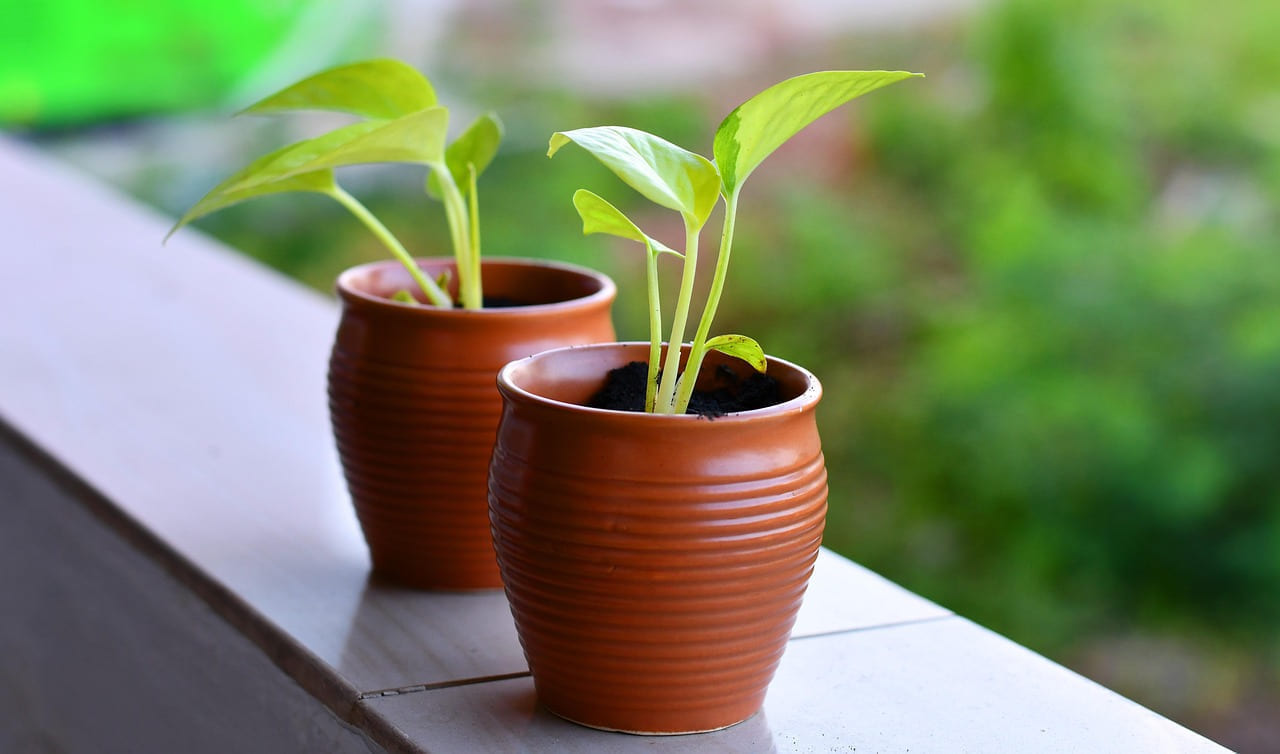
Balcony Veggies: Growing Success can be easier to approach when you start with a few practical basics.
- East-facing balconies get strong morning sun, which is great for leafy greens and herbs. The afternoon sun can be a bit gentler.
- West-facing balconies offer a good balance of sun, with strong afternoon light.
- North-facing balconies are the trickiest; they receive the least amount of direct sunlight. You’ll need to focus on shade-tolerant plants like lettuce, spinach, and some herbs. To get a sense of your balcony’s light exposure, spend a few days observing it. Note when the sun hits different areas and for how long. A simple checklist: is there a significant shadow cast during the middle of the day? Does the area get at least 4 hours of direct sun? Knowing this will dramatically narrow down your choices.
Pots, Soil, and the Basics (Balcony Veggies: Growing Success)
Okay, you've determined you have decent light. Now let’s talk containers and soil. Forget those flimsy plastic nursery pots - they don’t hold up to the weight or provide adequate drainage. In 2026, lightweight, durable options like fabric pots (often called grow bags) and recycled plastic containers are incredibly popular. They’re easier to move around, and the breathable fabric helps prevent soil from compacting. Terracotta is a classic, but be mindful of its weight - especially if you’re going for larger sizes. The soil is equally important. Don’t just grab a bag of garden soil - it’s too heavy and doesn’t drain well. You need a high-quality potting mix specifically formulated for vegetables. Look for a mix that contains peat moss, perlite, and compost. Adding a bit of well-rotted compost will give your plants a boost of nutrients. Slow-release fertilizers are a smart investment; they provide a steady supply of food over several months. Finally, drainage is absolutely critical. Make sure your containers have drainage holes and consider adding a layer of gravel or broken pottery at the bottom to improve drainage. Root rot is a common problem for balcony gardeners, and good drainage is the best defense.
What to Grow: Choosing the Right Veggies
Not all vegetables thrive on balconies. Some varieties are naturally more compact and productive than others. Here are a few recommendations for 2026: * Dwarf Tomatoes: These are a game-changer. They produce a surprising amount of fruit in a relatively small space.
- Bush Beans: Don’t need sprawling vines - perfect for containers.
- Leafy Greens (Lettuce, Spinach, Kale): These grow quickly and can be harvested continuously.
- Herbs (Basil, Mint, Chives): Almost all herbs do well in containers.
- Peppers: Choose smaller varieties like ‘Sweet Palermo’ or ‘Mini Bell’.
- Radishes: Quick-growing and perfect for adding a bit of spice to your meals.
- Strawberries: Hanging baskets are ideal for growing strawberries. Estimate the space each plant needs - dwarf tomatoes need approximately 18-24 inches of space, while bush beans can take up a bit more. Don’t overcrowd your containers; give your plants room to grow.
Vertical Gardening: Making the Most of Every Inch
Balconies are small, so you need to think vertically. Vertical gardening techniques can dramatically increase your growing space. Hanging baskets are a classic choice - great for strawberries and herbs. Wall planters offer a clean look and can be used to grow leafy greens. Stacked planters are a good option for herbs and smaller vegetables. Trellises are perfect for supporting climbing plants like cucumbers (though they need a bit more space). When choosing a vertical system, consider the weight it will need to support and the amount of sunlight it will receive. A little planning goes a long way in maximizing your balcony's potential.
Maintaining Your Plot: Watering, Pests, and Pollination
Consistent watering is key. Container plants dry out more quickly than plants in the ground, so check the soil regularly. You can use a simple weighing system - when a pot feels light, it’s time to water. Automated systems like drip irrigation or self-watering containers can be a huge time-saver. Pest and disease management is an ongoing process. Companion planting (planting certain vegetables together to deter pests) is a natural and effective strategy. Introduce beneficial insects like ladybugs to control aphids. Neem oil and insecticidal soap are organic options for dealing with infestations. Keep an eye out for emerging 2026 pest trends - resistance to common treatments is becoming more prevalent. Finally, pollination. Many vegetables need pollination to produce fruit. If you're growing tomatoes or peppers, you may need to hand-pollinate them using a small brush. Attracting pollinators like bees and butterflies to your balcony will also help.
Focus on the part that solves the problem
In a topic like Small Space Gardening, the strongest starting point is usually the one you will notice and use right away. That is often more helpful than adding extra features too early.
Before spending more, it is worth checking the setup, upkeep, and learning curve. Small hassles matter here because they are usually what decide whether something stays useful or gets ignored.
It is easy to underestimate how much clarity comes from removing one unnecessary layer. In practice, trimming one complication often does more for Balcony Veggies: Growing Success than adding one more feature, one more product, or one more clever workaround.
Where extra features get in the way
Another easy trap is copying a setup that made sense for someone with a different routine, budget, or tolerance for maintenance. In Small Space Gardening, that mismatch is often what makes a promising idea feel frustrating later.
A lot of options sound great until you picture them in a normal week. If the setup is fussy, the routine is easy to forget, or the maintenance is annoying, the appeal fades quickly.
There is also value in keeping one part of the process deliberately simple. Readers often do better when they identify the one decision that carries the most weight and make that choice carefully before they chase smaller optimizations. That keeps momentum steady and usually prevents the topic from turning into clutter.
What makes the choice hold up
A better approach is to break Balcony Veggies: Growing Success into smaller decisions and solve the highest-friction part first. Testing one practical change usually teaches more than trying to perfect everything in a single pass.
Leave a little room to adjust as you go. A setup that works in one budget range, season, or routine might need a small change later, and that is usually normal rather than a sign you got it wrong.
If this topic still feels crowded or overcomplicated, that is usually a sign to narrow the decision, not a sign that you need more noise. One careful adjustment, followed by honest observation, tends to teach more than another round of abstract tips.
Keep This Practical
If you want the advice here to stick, turn it into one change you can observe over the next week or two. Plants tend to reward steady adjustments more than dramatic resets.
Tools Worth A Look
These recommendations are most helpful if you want tools or supplies that make a small-space garden easier to grow and maintain.
- Vego garden Mini Planter Indoor Pots with Trellis Self-Watering Herb Countertop Planter for Climbing Vegetables Flowers Mint Plants Cage 2 PackRHS Little Book of Small-Space Gardening: Easy-grow Ideas for Balconies, Window Boxes & Other Outdoor AreasONBRILL Potting Bench, Outdoor Potting Bench Table with Removable Sink, HDPS Potting Benches for Outside, Garden Table with Storage ShelvesBeginner's Guide to Successful Container Gardening: Grow Your Own Food in Small Places!Practical Beginners Raised Bed And Container Gardening: Organized & Easy to Do Gardening in Your Region
Some of the links on this page are Amazon affiliate links, which means I may earn a small commission if you make a purchase through them. As an Amazon Associate, I earn from qualifying purchases.
Related ReadingMore from Urban Sprout Corner
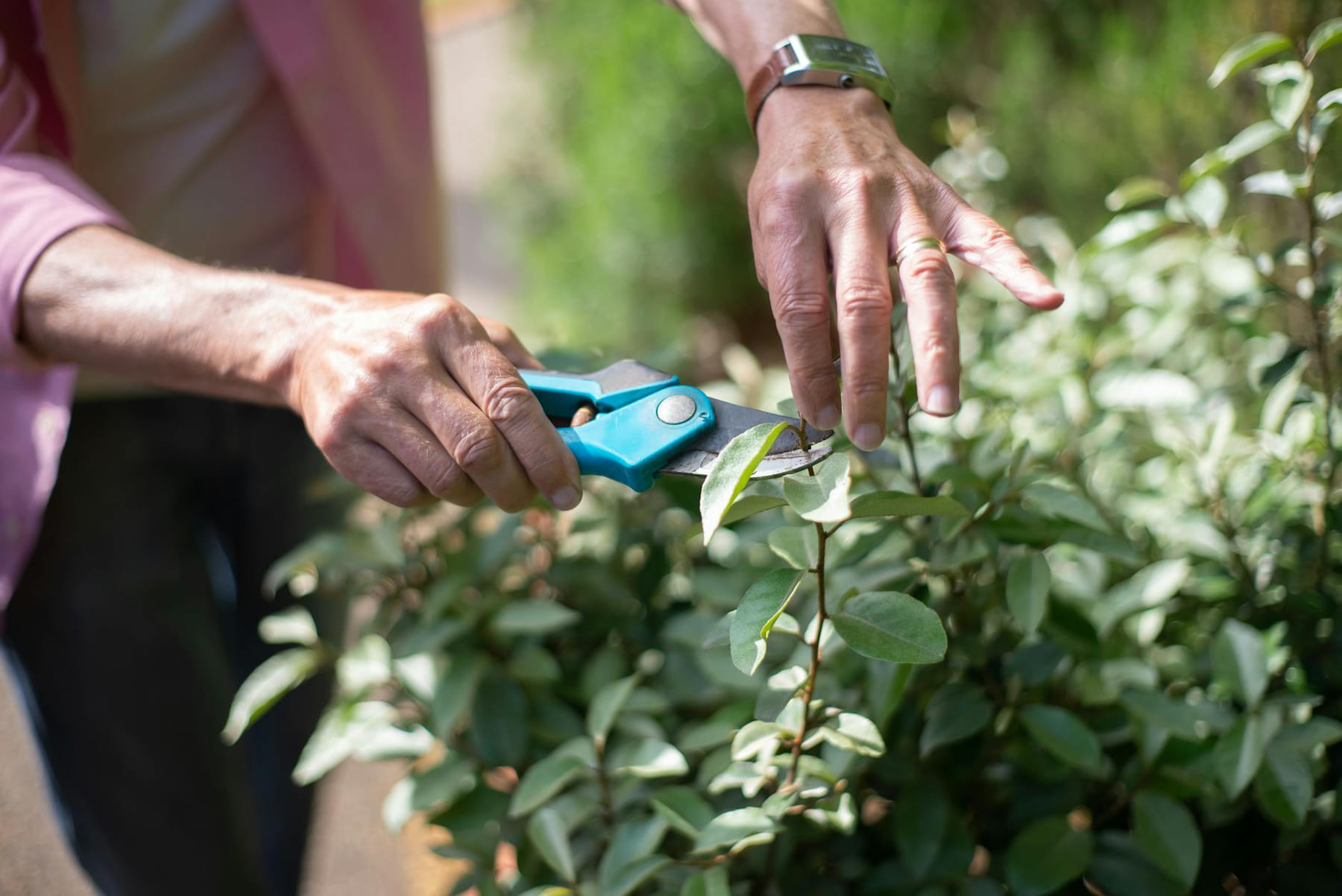
Balcony Pruners: What to Look For
Best Pruners for Balcony Gardens: Grow a Thriving Oasis
Balcony Blooms: Flowers That Thrive
Flowers That can be easier to approach when you start with a few practical basics.
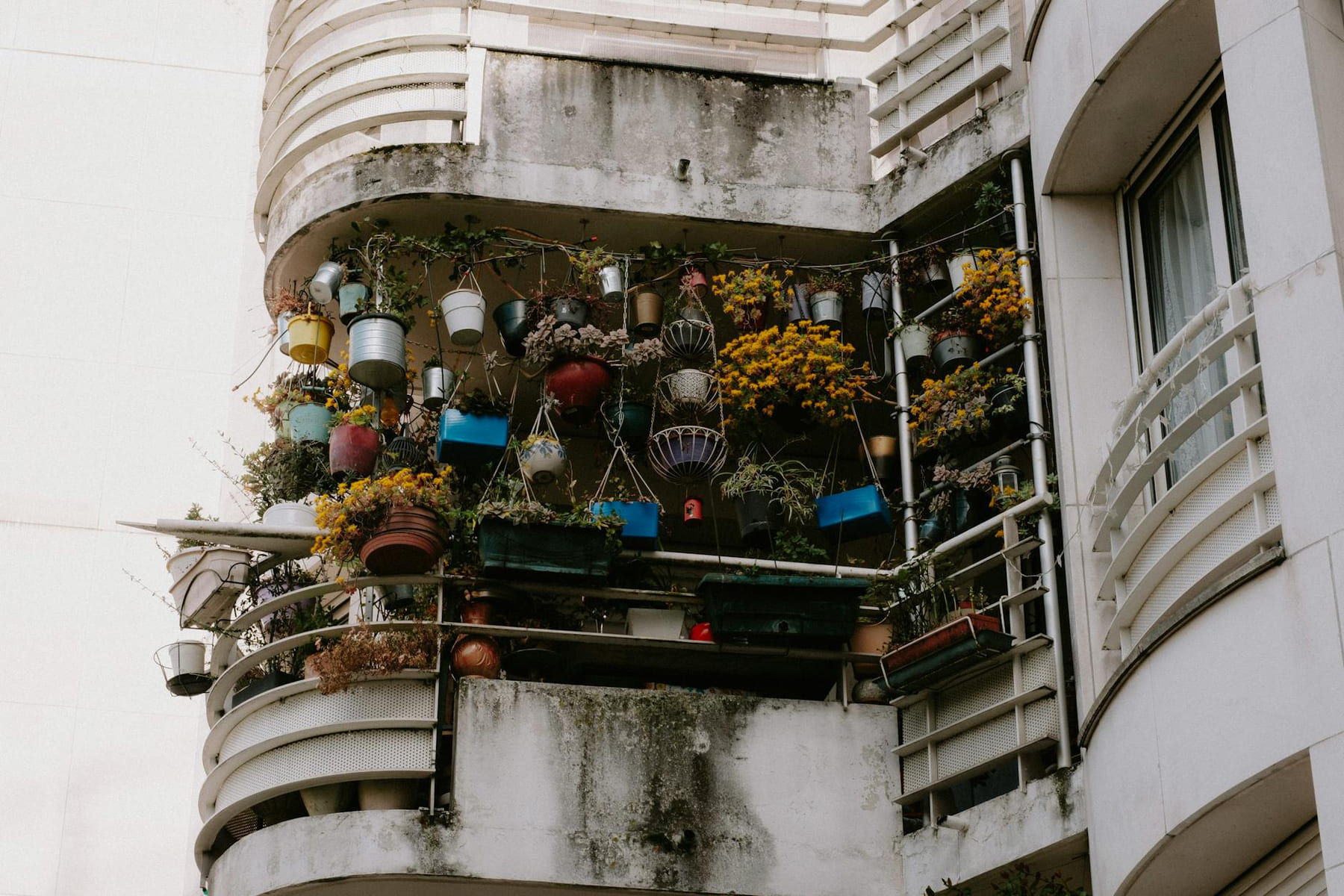
Balcony Veggies: Solving Common Plot Problems
Balcony Vegetable Plots Troubleshooting - Urban Sprout Corner Balcony Vegetable Plots Troubleshooting: Turning Your Tiny Space into a Bounty Welcome back to Urban.