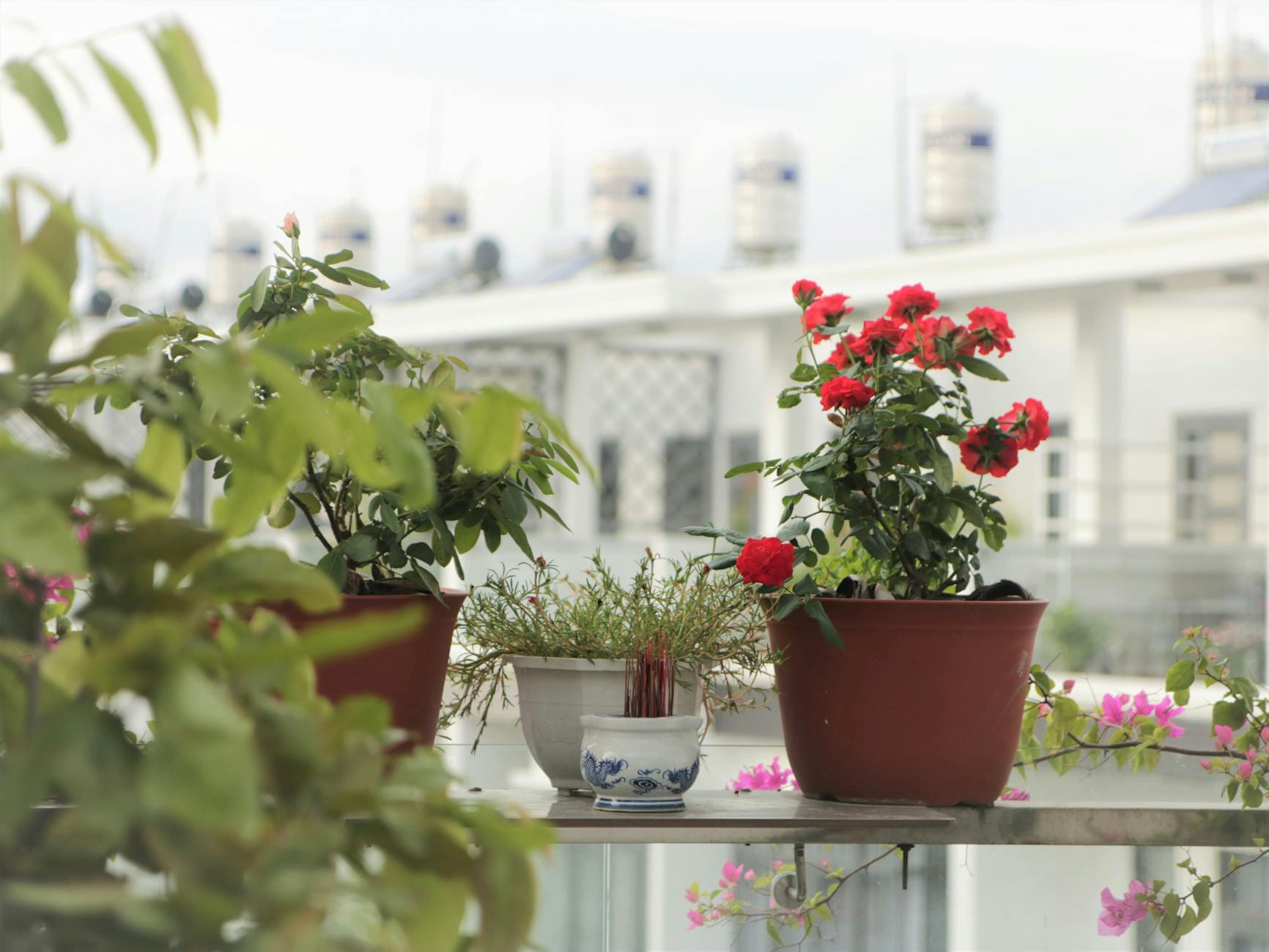
Why Privacy Matters (Even on a Balcony) (Privacy with Plants)
It’s easy to dismiss balcony privacy as a luxury, but it’s actually a surprisingly important factor in overall well-being. Studies show that feeling secure and having a sense of seclusion reduces stress, improves mood, and even boosts productivity. When you’re relaxing on your balcony, you want to feel like you have a space that’s truly yours - a place where you can unwind, read, meditate, or simply enjoy a cup of coffee without feeling constantly observed. Even a small amount of added privacy can make a huge difference in how you feel about your urban living space.
Think about it: how often do you actually want to be seen from the street? Most of us crave a little bit of respite, a place to escape the constant gaze. Balcony privacy with plants offers a natural, aesthetically pleasing solution that’s far more inviting than a solid wall of plastic sheeting.
Layering Your Privacy: A Strategic Approach
Creating effective balcony privacy isn’t about throwing up a single, massive plant. It’s about layering different elements - plants, screens, and even strategically placed furniture - to create a sense of enclosure. Here’s a breakdown of how to approach it:
1. Climbing Plants: The Vertical Solution
Climbing plants are arguably the best option for balcony privacy. They naturally grow upwards, creating a living screen that blocks views without sacrificing valuable floor space. Consider these popular choices:
- Ivy (Hedera helix): A classic for a reason! Ivy comes in various forms, from trailing to more upright varieties. Be aware that it can be aggressive and might need some containment.
- Clematis: These flowering vines offer beautiful blooms and a lush, dense foliage. They thrive in sunlight.
- Passionflower (Passiflora): Adds a tropical vibe with its stunning, intricate flowers.
- Jasmine (Jasminum): Known for its intoxicating fragrance, jasmine is a fragrant and effective privacy screen.
Practical Tip: Start climbing plants with a trellis, obelisk, or even a sturdy wire mesh attached to the balcony railing. Regular training will encourage them to grow upwards and outwards, creating a dense screen.
2. Shrub Screens & Container Plants
Don’t underestimate the power of shrubs and strategically placed containers. Grouping larger plants together creates a more substantial barrier than individual pots. Here are some good choices:
- Boxwood (Buxus): A formal, evergreen shrub that’s relatively easy to maintain.
- Hydrangeas: Beautiful blooms and a full, rounded shape.
- Japanese Holly (Ilex crenata): Available in various sizes and shapes, offering flexibility in design.
- Dwarf Lavender (Lavandula angustifolia): Fragrant and attracts pollinators.
Practical Tip: Consider using taller containers to create a tiered effect, adding depth and visual interest to your privacy screen.
3. Screens & Panels: Adding Structure
While plants are beautiful, they sometimes aren’t enough on their own. Adding screens or panels can provide an extra layer of privacy, especially when combined with plants. Options include:
- Bamboo Screens: A natural and stylish option that offers good privacy.
- Woven Reed Screens: Adds texture and a rustic feel.
- Fabric Panels: Lightweight and easy to install - choose a dense weave for better privacy.
Practical Tip: Mount screens securely to the balcony railing or wall to prevent them from blowing over in the wind.
Plant Selection: Considering Your Balcony’s Conditions
Before you start buying plants, it’s crucial to assess your balcony’s conditions. Factors like sunlight, wind exposure, and temperature will determine which plants will thrive. Here’s a quick guide:
- Full Sun (6+ hours of direct sunlight): Roses, hydrangeas, lavender, clematis.
- Partial Shade (4-6 hours of direct sunlight): Japanese holly, boxwood, jasmine.
- Full Shade (Less than 4 hours of direct sunlight): Ivy (in cooler climates), ferns, hostas (if you have a very sheltered balcony).
Important: Check your local climate zone to ensure that the plants you choose are suitable for your region. Also, consider the wind - plants that are too delicate will struggle in windy conditions.
Maintenance & Care
Creating balcony privacy with plants is an ongoing process. Regular maintenance is essential to keep your screen looking its best. This includes:
- Watering: Water plants regularly, adjusting frequency based on weather conditions.
- Fertilizing: Feed plants with a balanced fertilizer during the growing season.
- Pruning: Prune climbing plants to encourage growth and maintain their shape.
- Pest Control: Inspect plants regularly for pests and diseases, and take action promptly if needed.
Pro Tip: Mulch around the base of your plants to help retain moisture and suppress weeds.
Start with what you will actually use
With Balcony Blooms: Creating Privacy with Plants, the first question is usually not which option looks best on paper. It is which part will make day-to-day life easier, smoother, or cheaper once the novelty wears off.
A lot of options sound great until you picture them in a normal week. If the setup is fussy, the routine is easy to forget, or the maintenance is annoying, the appeal fades quickly.
There is also value in keeping one part of the process deliberately simple. Readers often do better when they identify the one decision that carries the most weight and make that choice carefully before they chase smaller optimizations. That keeps momentum steady and usually prevents the topic from turning into clutter.
What tends to get overlooked
Tradeoffs are normal here. Cost, convenience, upkeep, and flexibility do not always line up neatly, so it helps to decide which tradeoff matters least to you before you commit.
This usually gets easier once you make a short list of priorities. A tighter list tends to produce better decisions than trying to solve every possible problem at once.
Another useful filter is asking what you would still recommend if the budget got tighter, the schedule got busier, or the setup had to be easier for someone else to manage. The answers to that question usually reveal which advice is durable and which advice only works under ideal conditions.
How to keep the setup simple
If you want Balcony Blooms: Creating Privacy with Plants to hold up over time, choose the version you can actually maintain. That can mean spending less, leaving out an attractive extra, or simplifying the setup so it fits ordinary life.
The version that holds up best is usually the one you can live with on an ordinary day. That often matters more than the version that only feels good when you have extra time, energy, or money.
That is why the best next step is often a modest one with a clear upside. You want something specific enough to act on, flexible enough to adjust, and practical enough that you would still recommend it after the first burst of enthusiasm fades.
Costs that show up later
You do not need the flashiest answer here. You need the one that fits your space, budget, and routine well enough that you will still feel good about it after the first week.
In a topic like Small Space Gardening, manageable almost always beats impressive. If something is simple enough to keep using, it is usually doing more real work for you.
Readers usually get better results when they treat advice as something to test and refine, not something to obey perfectly. That mindset creates room for real judgment, which is often the difference between content that sounds smart and guidance that is actually useful.
Keep This Practical
The best small-space gardening moves are practical and repeatable. Pick the plant, container, or routine that matches your real conditions instead of forcing the ideal version.
Tools Worth A Look
The products here work best when they support healthy plants and simpler routines in the space you actually have.
- Small Space GardeningIndoor Garden Growing Systems Self-Watering Plant Pot Smart Gardening System with 17 Watts LED Grow Light Auto Timer GardeningThe Compact Garden: A Beginner's Guide to Growing Vegetables in Small SpacesSmall-Space Container Gardens: Transform Your Balcony, Porch, or Patio With Fruits, Flowers, Foliage & HerbsAimerla Gardening Tools Set of 9 Heavy Duty Garden Tools
Some of the links on this page are Amazon affiliate links, which means I may earn a small commission if you make a purchase through them. As an Amazon Associate, I earn from qualifying purchases.
Related ReadingMore from Urban Sprout Corner
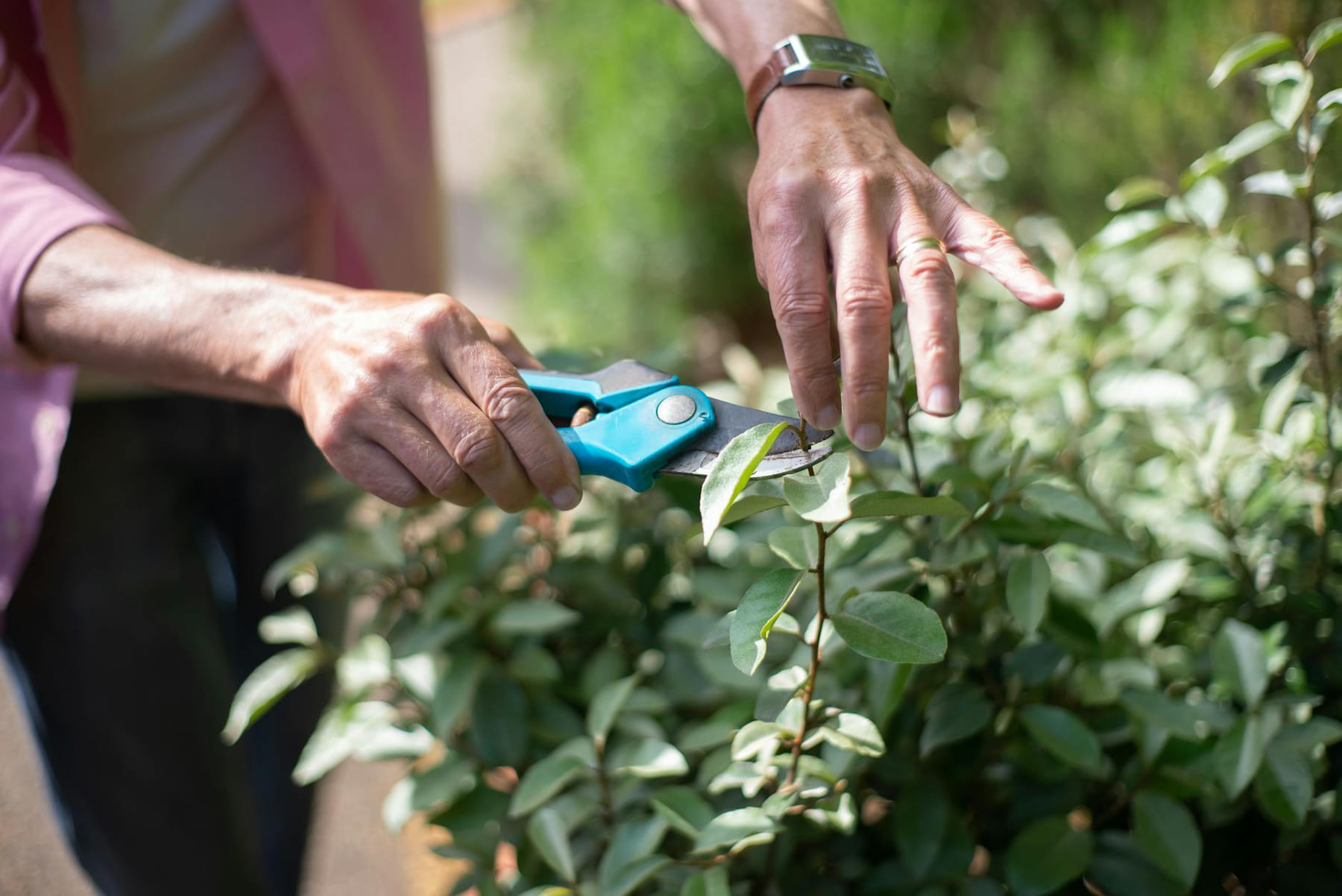
Balcony Pruners: What to Look For
Best Pruners for Balcony Gardens: Grow a Thriving Oasis
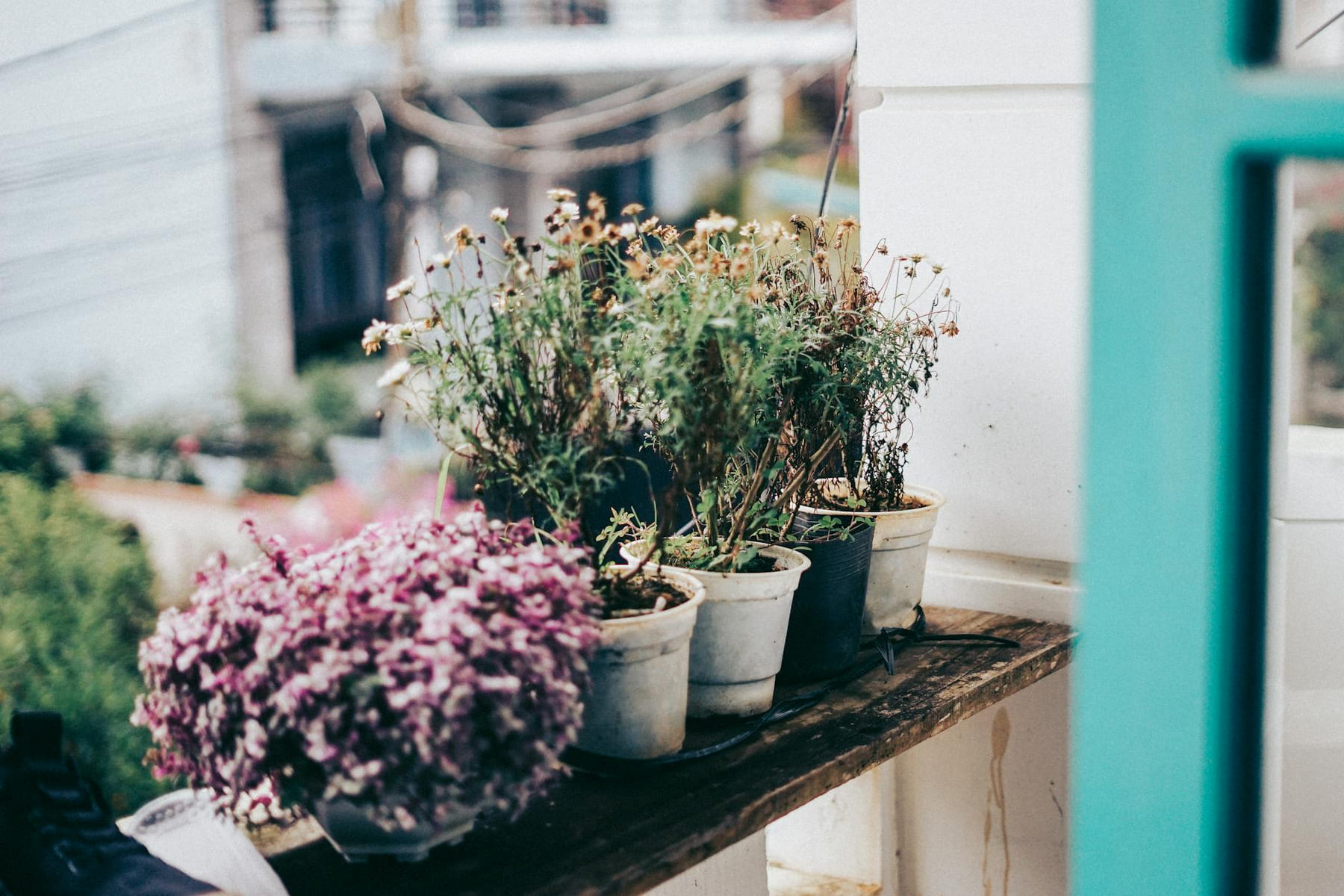
Balcony Blooms: Flowers That Thrive
Flowers That can be easier to approach when you start with a few practical basics.
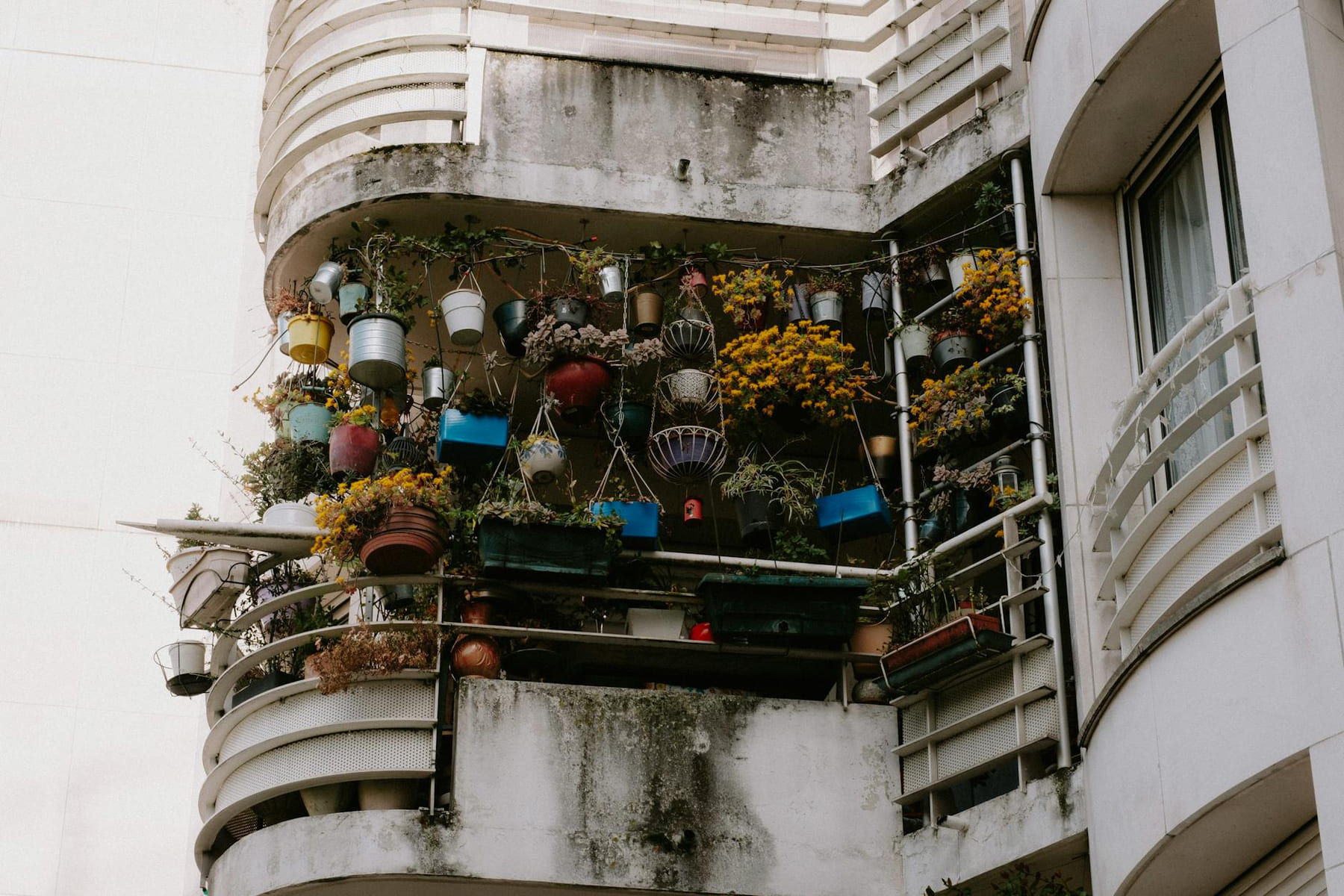
Balcony Veggies: Solving Common Plot Problems
Balcony Vegetable Plots Troubleshooting - Urban Sprout Corner Balcony Vegetable Plots Troubleshooting: Turning Your Tiny Space into a Bounty Welcome back to Urban.