By Mark Conrad - Urban Sprout Corner
Let’s be honest. The idea of a sprawling vegetable garden, bursting with tomatoes and zucchini, often feels a little…distant. Especially if you live in an apartment or have a small balcony. But don’t let limited space deter you from experiencing the joy of growing your own food. A well-planned balcony garden can be incredibly productive, rewarding, and surprisingly budget-friendly. My approach is all about maximizing yield with minimal investment - it’s about smart gardening, not grand gestures. This isn’t about creating a wilderness; it’s about creating a productive, beautiful space that fits your life.
Assessing Your Balcony - The Foundation
Before you even think about seeds, you need to understand your balcony’s limitations and opportunities. This isn’t a haphazard collection of pots; it’s a carefully considered design. Here’s what to evaluate:
- Sunlight: This is the single most important factor. Track how much direct sunlight your balcony receives throughout the day. “Full sun” means 6+ hours, “partial sun” means 4-6 hours, and “shade” means less than 4 hours. Different plants have vastly different light requirements. A salad green like lettuce thrives in partial sun, while tomatoes need full sun.
- Weight Capacity: Balconies have weight limits. Soil, water, and mature plants can get *heavy*. Check with your building management if you’re unsure. Lightweight potting mixes and plastic containers are your friends.
- Wind Exposure: Windy balconies can dry out plants quickly and even damage delicate stems. Consider windbreaks - screens, trellises, or even strategically placed larger plants.
- Water Access: How easy is it to water your plants? A nearby faucet is ideal, but if not, you’ll need to carry water, which adds to the workload.
I’ve found that a detailed assessment like this is the difference between a flourishing balcony garden and a sad collection of wilting plants. It’s a small investment of time upfront that pays off massively in the long run.
Container Gardening 101 - Practical Choices
Forget expensive raised beds. Container gardening is the key to small space success. Here’s a breakdown of suitable containers and materials:
- Plastic Pots: Affordable and lightweight. Choose dark colors to absorb more heat, which can be beneficial in cooler climates.
- Fabric Pots (Grow Bags): Excellent drainage and aeration. They’re also lightweight and foldable for easy storage.
- Terracotta Pots: Classic, but heavier. Use them sparingly and ensure your balcony can handle the weight.
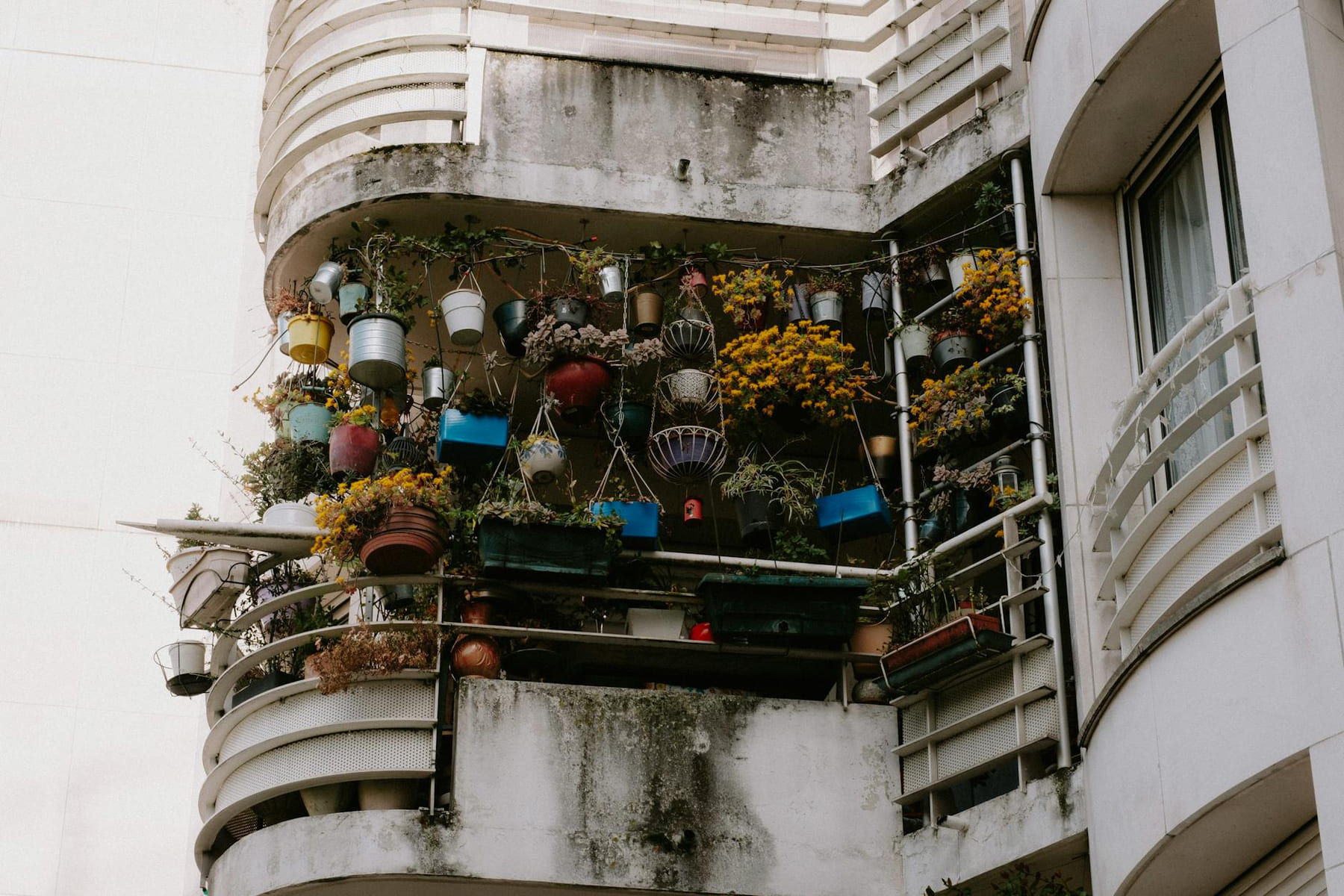
- Repurposed Containers: Get creative! Old buckets, tubs, even sturdy cardboard boxes can be transformed into planters (just ensure drainage holes).
For drainage, always use a layer of gravel or broken pottery at the bottom of your containers. This prevents the roots from sitting in water and rotting. A good quality potting mix is also crucial - avoid using garden soil, as it compacts too easily in containers.
What to Grow - Maximizing Space and Yield
Don’t try to grow everything. Focus on plants that thrive in containers and offer a good return on investment. Here are some top choices, categorized by space requirements:
- Compact & Easy (Great for Beginners): Lettuce, spinach, radishes, herbs (basil, mint, chives), cherry tomatoes, peppers.
- Medium Space: Bush beans, cucumbers (trellised), dwarf eggplant, strawberries.
- Larger Space (If you have extra room): Zucchini (choose compact varieties), determinate tomatoes, kale.
Vertical gardening is your secret weapon. Trellises, hanging baskets, and stacked planters allow you to grow more plants in a smaller area. Consider growing climbing beans or cucumbers vertically to save valuable floor space. I’ve found that a simple DIY trellis made from repurposed wood can dramatically increase yield.
Watering and Feeding - Consistent Care
Container plants dry out faster than plants in the ground, so consistent watering is essential. Check the soil moisture daily - stick your finger about an inch deep. If it feels dry, it’s time to water. Water deeply, until water drains out of the bottom of the container. A watering can with a rose head is preferable to a hose, as it provides a gentler spray.
Fertilizing is equally important. Container plants rely entirely on you for nutrients. Use a balanced liquid fertilizer every 2-4 weeks, following the instructions on the label. Organic options are always a good choice - fish emulsion is a readily available and effective fertilizer.
Troubleshooting - Common Problems and Solutions
Even with the best planning, problems can arise. Here are a few common issues and how to address them:
- Yellowing Leaves: Could be overwatering, underwatering, or nutrient deficiency. Adjust your watering schedule and consider fertilizing.
- Pests: Regularly inspect your plants for pests. Handpick them off, or use insecticidal soap.
- Powdery Mildew: A white, powdery coating on the leaves. Improve air circulation and apply a fungicide.
Don’t panic! Gardening is a learning process. Keep a notebook to track what’s working and what’s not. A little observation and proactive care will go a long way.
Sustainable Practices - Minimizing Waste
As a proponent of efficient gardening, sustainability is key. Here’s how to minimize waste and maximize your impact:
- Composting: Even a small balcony can accommodate a worm bin (vermicomposting).
- Seed Saving: Collect seeds from your best-performing plants to use next year.
- Repurpose Materials: As mentioned earlier, get creative with containers and supports.
- Water Conservation: Use a watering can and water deeply, less frequently, to encourage deep root growth.
Balcony blooms aren’t just about growing food; they’re about creating a small, vibrant ecosystem. It's about taking control of your food source and connecting with nature, even in the heart of the city. It’s a manageable, rewarding, and incredibly satisfying endeavor. Start small, be observant, and enjoy the process. And remember, a little planning goes a long way toward a bountiful harvest.
Start with what you will actually use
With Balcony Blooms: Small Space Gardening, the first question is usually not which option looks best on paper. It is which part will make day-to-day life easier, smoother, or cheaper once the novelty wears off.
A lot of options sound great until you picture them in a normal week. If the setup is fussy, the routine is easy to forget, or the maintenance is annoying, the appeal fades quickly.
There is also value in keeping one part of the process deliberately simple. Readers often do better when they identify the one decision that carries the most weight and make that choice carefully before they chase smaller optimizations. That keeps momentum steady and usually prevents the topic from turning into clutter.
What tends to get overlooked
Tradeoffs are normal here. Cost, convenience, upkeep, and flexibility do not always line up neatly, so it helps to decide which tradeoff matters least to you before you commit.
This usually gets easier once you make a short list of priorities. A tighter list tends to produce better decisions than trying to solve every possible problem at once.
Another useful filter is asking what you would still recommend if the budget got tighter, the schedule got busier, or the setup had to be easier for someone else to manage. The answers to that question usually reveal which advice is durable and which advice only works under ideal conditions.
Keep This Practical
The best small-space gardening moves are practical and repeatable. Pick the plant, container, or routine that matches your real conditions instead of forcing the ideal version.