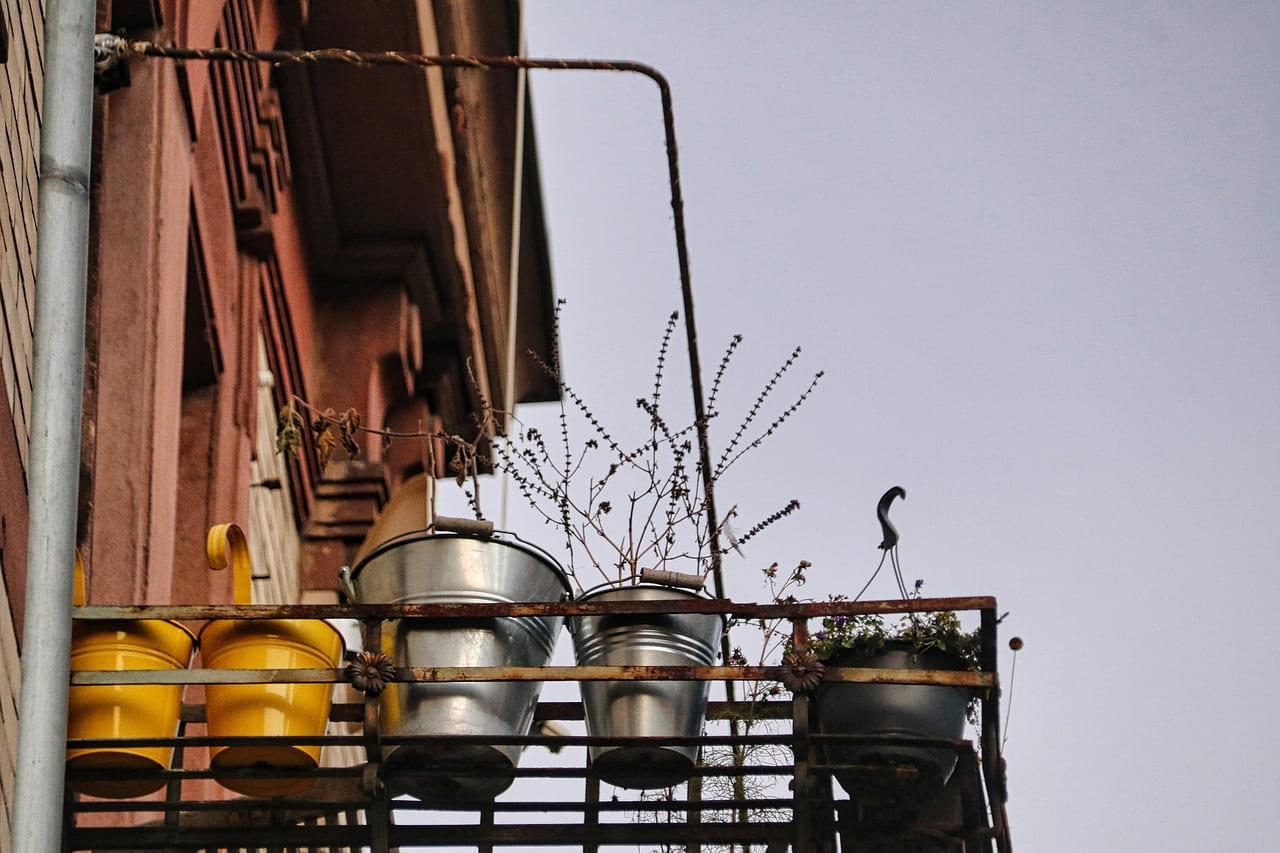
Balcony Vegetable Plots FAQ: Grow Your Own Bounty, Even in Small Spaces
Balcony Veggies: Your FAQ can be easier to approach when you start with a few practical basics. Urban Sprout Corner
Introduction: Bringing the Garden to Your Balcony (Balcony Veggies: Your FAQ)
Balcony vegetable gardening - it sounds idyllic, doesn’t it? The image of fresh tomatoes ripening on your patio, crisp lettuce ready for a salad, and fragrant herbs just steps from the kitchen. And the best part? You don’t need a sprawling backyard to make it happen. More and more urban dwellers are discovering the joy of growing their own food, and a balcony, patio, or even a sunny windowsill can be the perfect starting point. This guide addresses some of the most common questions and considerations for creating a thriving balcony vegetable plot. We’ll cover everything from choosing the right plants to protecting your harvest - and, crucially, ensuring your balcony can handle the weight! Let’s get growing.
What Vegetables Grow Best on a Balcony?
Not all vegetables are created equal when it comes to container gardening. Size, sunlight requirements, and growth habits are key factors. Let’s break down some of the most successful choices:
- Leafy Greens: Lettuce, Spinach, Kale - Your Salad Stars: These are arguably the easiest vegetables to grow in containers. You can harvest leaves as needed, providing a continuous supply of fresh greens throughout the season. Loose-leaf lettuces are particularly forgiving and productive. Spinach and kale also thrive in cooler weather.
- Compact Tomatoes & Peppers: Bush Varieties are Your Friends: Forget about those sprawling, indeterminate tomato varieties that need sprawling vines. Look for bush or patio tomatoes - they’re much more manageable and yield a surprising amount of fruit in limited space. Similarly, compact pepper varieties like ‘Jalapeño M’ or ‘Sweet Palermo’ are excellent choices.
- Radishes & Bush Beans: Quick Wins: These are fantastic for beginners. Radishes mature incredibly quickly (sometimes in as little as 3-4 weeks!), providing a fast reward for your efforts. Bush beans, as the name suggests, don’t require staking and produce a generous harvest.
- Strawberries: Hanging Baskets are a Must! Strawberries are a balcony garden staple. Hanging baskets are perfect for maximizing space and creating a beautiful display. In 2026, several new compact tomato varieties are gaining popularity for container gardening, particularly the ‘Tiny Tim’ and ‘Roma VF’ - they’re both known for their high yields in limited space. These are great options for smaller balconies.
- Herbs: Aromatic and Easy: Herbs like basil, mint, chives, parsley, and thyme are incredibly easy to grow in containers and add a burst of flavor to your cooking.
Beyond these, consider dwarf varieties of zucchini, cucumbers (trellised for support), and even eggplant. Researching specific cultivars is key - read seed packets and online reviews to find plants that are bred for container growing.
Protecting Your Harvest - Pests & Diseases
Unfortunately, pests and diseases can be a problem, even on a balcony. The enclosed environment can sometimes exacerbate issues. Aphids, slugs, and whiteflies are common culprits. The good news is that with a proactive approach, you can keep your plants healthy and productive.
- Organic Pest Control Methods: The key here is prevention and gentle intervention.
- Insecticidal Soap: Effective against aphids, whiteflies, and spider mites.
- Neem Oil: A broad-spectrum organic insecticide and fungicide.
- Beneficial Insects: Introducing ladybugs, lacewings, or predatory mites can help control pest populations naturally.
- Regular Inspection: Spend a few minutes each week inspecting your plants for signs of pests or disease - yellowing leaves, spots, webbing, or unusual growth.
- Preventative Measures: Good air circulation helps to prevent fungal diseases. Avoid overcrowding plants and ensure they’re not constantly wet.
- Sunlight: Most vegetables need at least 6-8 hours of sunlight per day. If your balcony doesn’t get enough, consider using grow lights.
For example, if you notice aphids on your tomato plants, a strong spray of water can dislodge them. For slugs, diatomaceous earth can create a barrier around your plants.
Balcony Considerations - Weight & Microclimates
Before you start buying containers and seeds, it’s absolutely essential to check your balcony’s weight limit. This is something you absolutely need to know. Ignoring this can lead to serious problems - and potentially unsafe conditions. Contact your building management if you’re unsure - they should be able to provide you with the information you need. They may have specific regulations regarding balcony weight limits.
- Weight Limits: Balconies are built to support a certain amount of weight, including the containers, soil, plants, and water. A general guideline is around 25 pounds per square foot, but this can vary significantly depending on the balcony’s construction.
- Lightweight Potting Mixes and Containers: Use lightweight potting mixes - peat moss-based mixes are generally lighter than those containing heavy clay. Choose containers made from plastic, fiberglass, or lightweight resin rather than heavy terracotta.
- Microclimates: Balconies can have different microclimates - some areas are warmer and sunnier than others.
- South-Facing: The side facing south will be warmer and drier, receiving the most sunlight.
- North-Facing: The north-facing side will be cooler and shadier.
- Windy Locations: Some balconies are exposed to strong winds, which can dry out plants quickly.
- Adjusting Your Practices: Pay attention to these differences and adjust your growing practices accordingly. For example, you might need to water more frequently on a sunny balcony, or provide shade for more delicate plants on a windy balcony. Using reflective surfaces (like white paint on walls) can help to increase warmth in cooler areas.
For instance, a south-facing balcony might be ideal for tomatoes and peppers, while a north-facing balcony could be better suited for leafy greens and herbs.
Container Selection & Soil - The Foundation of Success
Choosing the right containers and soil is crucial for healthy plant growth.
- Container Size: Match the container size to the plant’s needs. Smaller plants need smaller containers, while larger plants require more space. A good rule of thumb is to choose a pot that’s at least 6 inches in diameter for most vegetables.
- Drainage: Ensure all containers have drainage holes to prevent waterlogging.
- Potting Mix: Don’t use garden soil in containers - it compacts too easily and doesn’t drain well. Use a high-quality potting mix specifically formulated for containers. Look for mixes that contain peat moss, perlite, and vermiculite.
- Self-Watering Containers: Consider self-watering containers, especially if you’re busy or travel frequently.
Watering & Feeding - Keeping Your Plants Happy
- Watering: Container plants dry out more quickly than plants in the ground. Check the soil moisture daily and water when the top inch feels dry.
- Fertilizing: Container plants need regular feeding because nutrients are leached out with watering. Use a balanced liquid fertilizer every 2-4 weeks, following the instructions on the label. Organic options like compost tea are also beneficial.
Conclusion
Balcony vegetable gardening is a rewarding experience - you'll be enjoying fresh, homegrown produce right outside your door. It’s a fantastic way to connect with nature, reduce your carbon footprint, and enjoy delicious, healthy food. Don’t feel like you need to do everything perfectly on your first try. Start small, experiment with different vegetables, and learn as you go. There are some fantastic online resources and communities dedicated to balcony gardening; we'll be linking to a helpful forum shortly. If you're looking to take your gardening to the next level, check out our Premium Guide for a more in-depth look at container gardening techniques. Happy growing!
Keep This Practical
Garden progress usually comes from one condition getting a little better: light, watering, soil, or plant choice. Start with the factor that would make the biggest difference in the space you have.
Tools Worth A Look
If the article pointed you toward one clearer plant or setup decision, the products below are the closest fit.
- Yardenaler 47x23x30in Raised Garden Bed with Legs, Outdoor Elevated Wood Planted Box with Liner & Drainage HoleLarge Repotting Mat for Plant Transplanting and Mess Control 39.5"x 31.5" Thickened Waterproof Potting TrayQuictent Galvanized Raised Garden Bed Kit with Self Watering System and Mesh Cover, Large Oval Metal Outdoor Planter Garden BoxesPractical Beginners Raised Bed And Container Gardening: Organized & Easy to Do Gardening in Your RegionContainer Gardening for Small Spaces: A Beginners' Guide
Some of the links on this page are Amazon affiliate links, which means I may earn a small commission if you make a purchase through them. As an Amazon Associate, I earn from qualifying purchases.
Related ReadingMore from Urban Sprout Corner
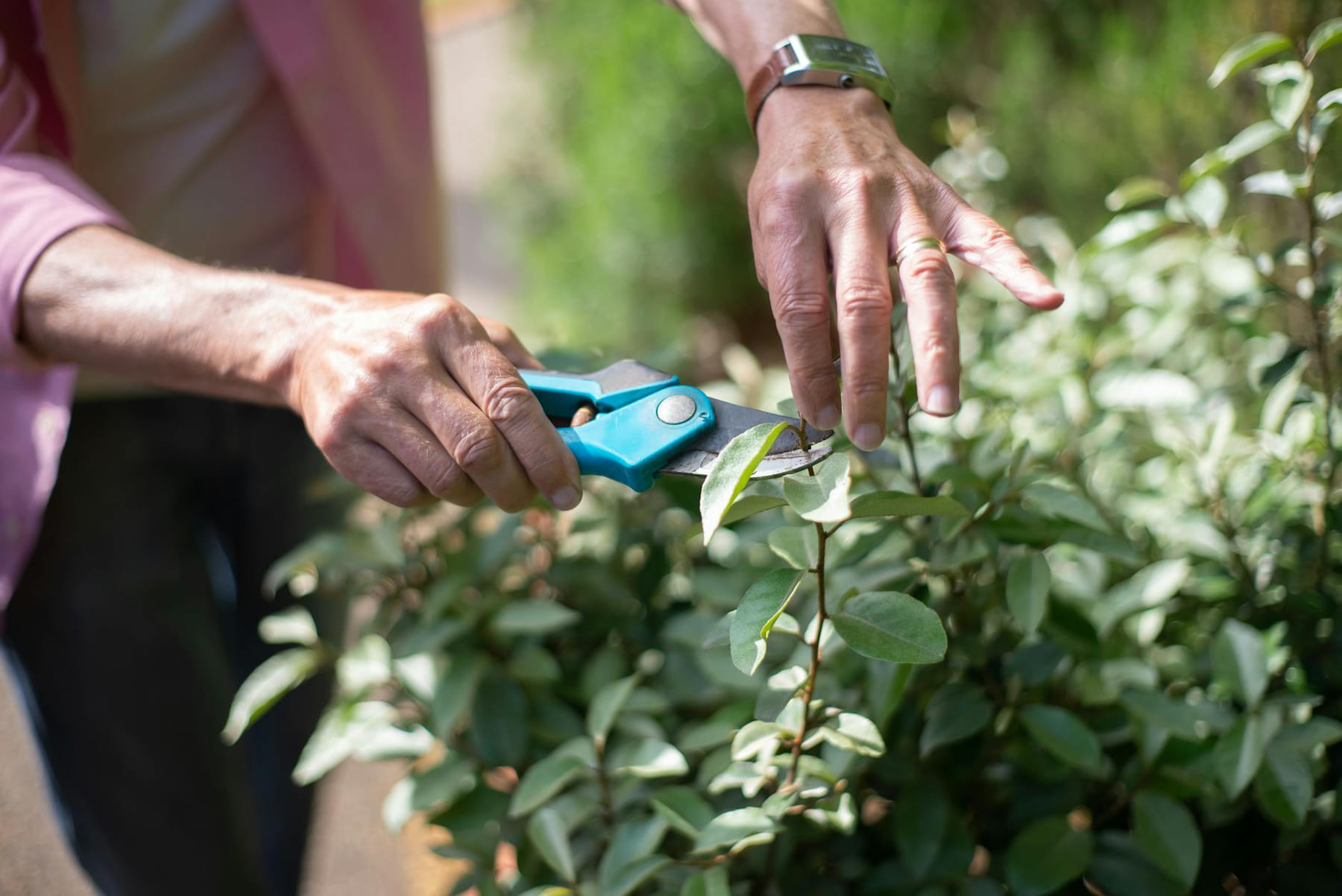
Balcony Pruners: What to Look For
Best Pruners for Balcony Gardens: Grow a Thriving Oasis
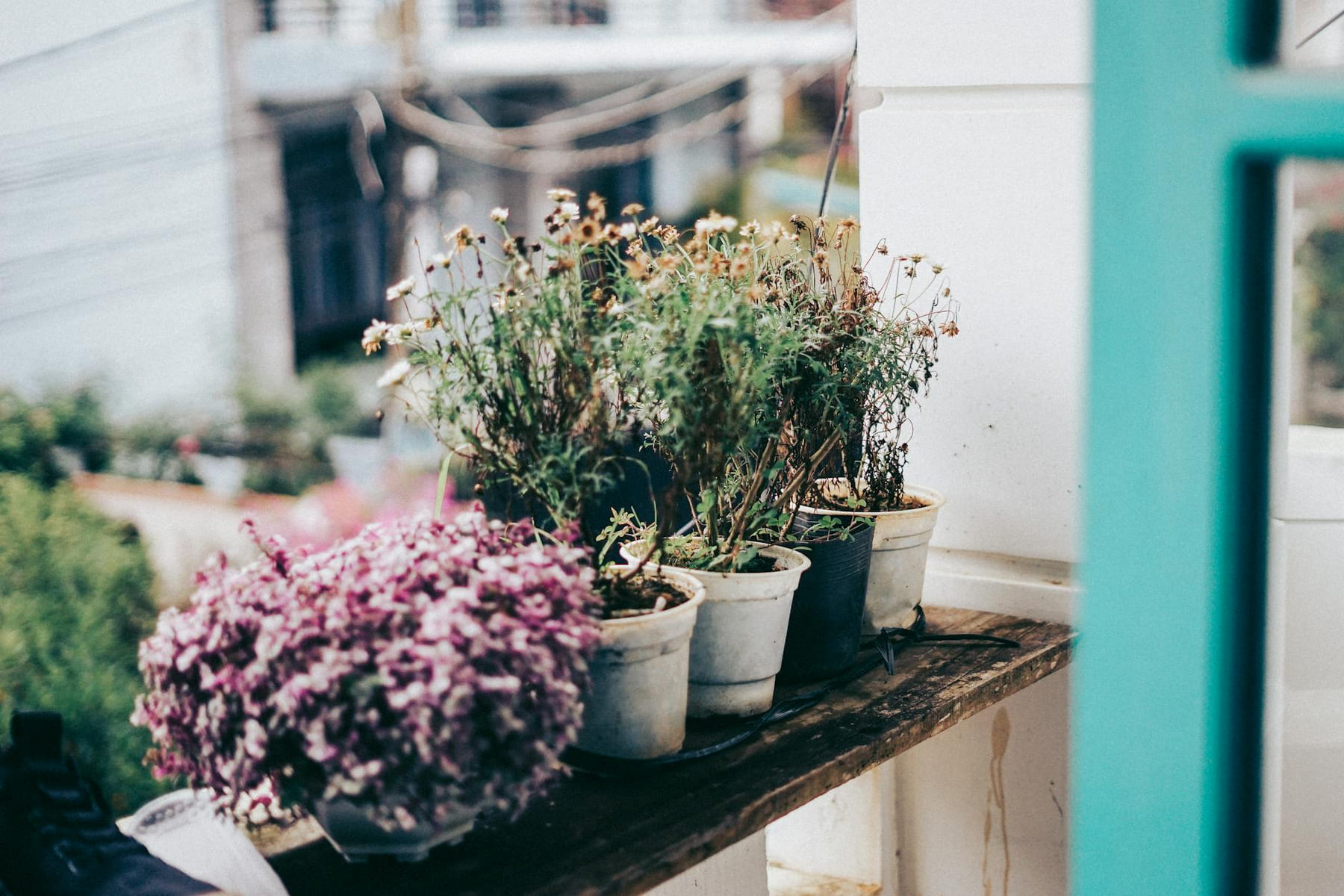
Balcony Blooms: Flowers That Thrive
Flowers That can be easier to approach when you start with a few practical basics.
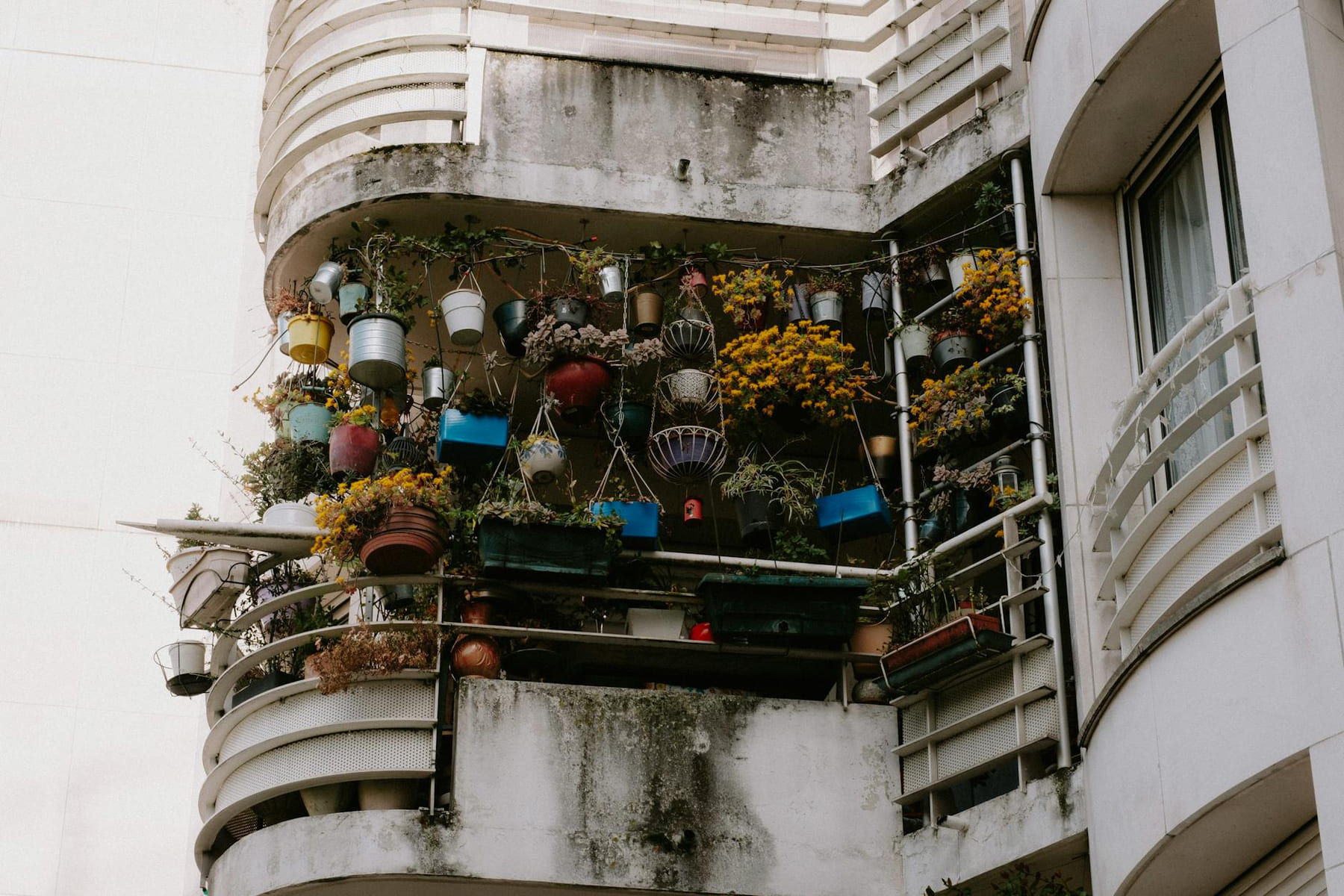
Balcony Veggies: Solving Common Plot Problems
Balcony Vegetable Plots Troubleshooting - Urban Sprout Corner Balcony Vegetable Plots Troubleshooting: Turning Your Tiny Space into a Bounty Welcome back to Urban.