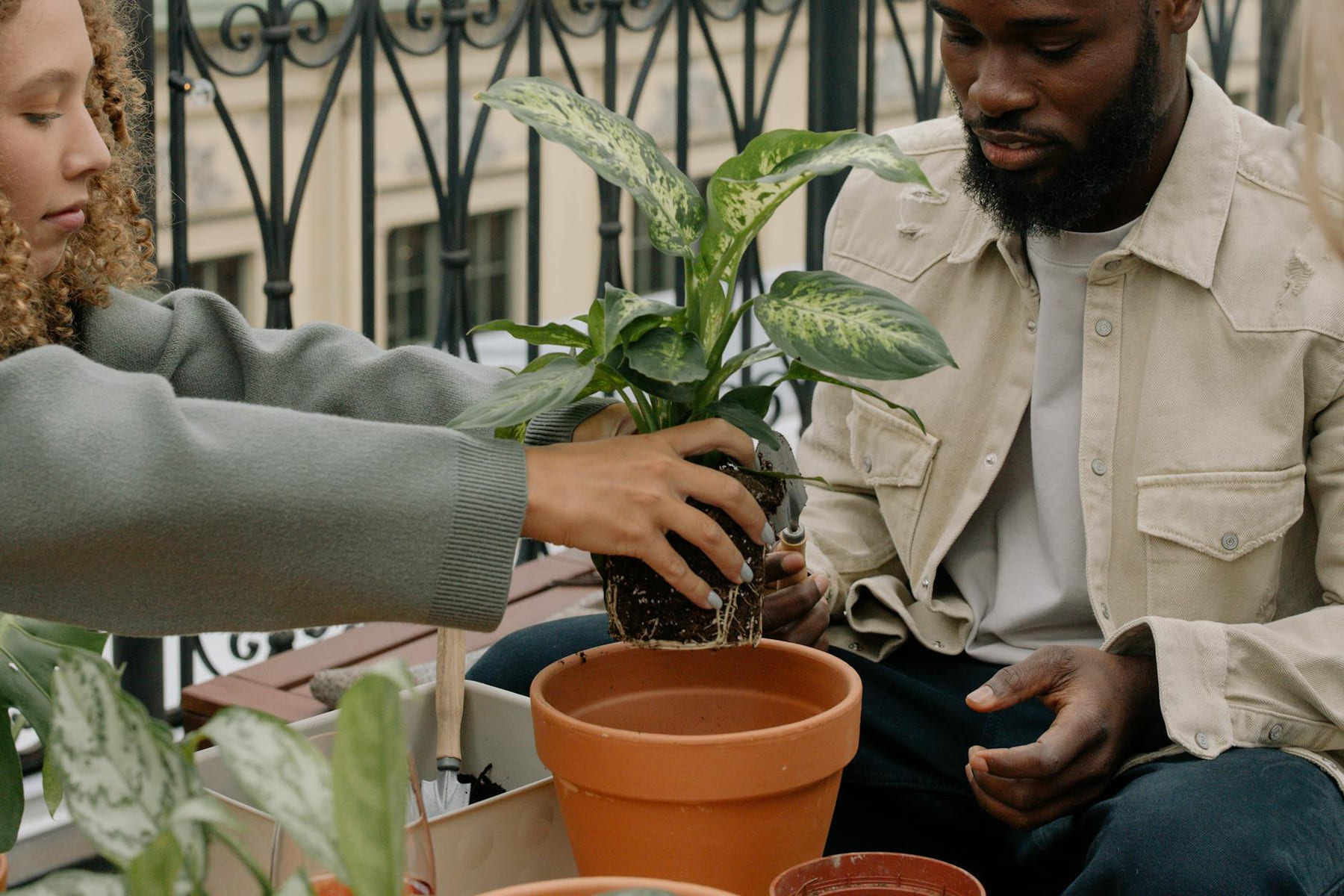
Common Mistakes can be easier to approach when you start with a few practical basics. Welcome to Urban Sprout Corner! If you’re dreaming of fresh, homegrown tomatoes, crisp lettuce, and fragrant herbs, but you’re limited to a balcony, you’re in the right place. Balcony gardening is incredibly rewarding, offering a connection to nature and a delicious supply of your own produce. However, it’s also a unique challenge. Unlike a sprawling backyard, you’re working with limited space, sunlight, and weight restrictions. Making mistakes can be disheartening, so let’s dive into the common pitfalls of balcony vegetable plots and, more importantly, how to avoid them. This guide will equip you with the knowledge to cultivate a thriving, productive space, even if your balcony feels tiny.
1. Assessing Your Balcony’s Potential: Sunlight is King (Common Mistakes)
Before you even think about seed packets, the very first step is a thorough assessment of your balcony. Sunlight is the single most crucial factor for successful vegetable gardening. Most vegetables need at least six hours of direct sunlight per day to flourish. Here's how to determine your balcony’s sun exposure:
- Observe Throughout the Day: Spend a few days simply watching how the sun moves across your balcony. Note which areas receive full sun (6+ hours), partial sun (4-6 hours), and shade (less than 4 hours).
- Consider Obstructions: Buildings, trees, and even neighboring balconies can cast shadows. Don’t overestimate the sunlight you’re getting.
- South-Facing Balconies are Ideal: Generally, south-facing balconies receive the most sunlight throughout the day. East- and west-facing balconies offer good sun exposure, while north-facing balconies are the most challenging.
If your balcony is heavily shaded, you’ll need to choose shade-tolerant vegetables like lettuce, spinach, kale, and herbs like mint and parsley. You can also consider supplementing with grow lights, which are becoming increasingly affordable and energy-efficient.
2. Weight Limits: Don’t Overload Your Balcony
This is a surprisingly common mistake! Balconies have weight limits, and exceeding them can be dangerous. Concrete balconies typically hold around 250 pounds per square foot, but this can vary significantly depending on the building’s construction and local regulations. Wood balconies often have lower weight limits - around 150 pounds per square foot. Always check with your building management or a structural engineer if you’re unsure.
Practical Tip: Use lightweight containers and potting mixes. Avoid heavy terra cotta pots. Consider fabric grow bags or plastic containers. Also, distribute the weight evenly across your balcony. Don’t concentrate all your plants in one area.
3. Container Selection: Size Matters (and Drainage!)
Choosing the right containers is essential. Too small, and your plants will become root-bound and struggle to thrive. Too large, and the soil can stay too wet, leading to root rot. Here’s what to consider:
- Size: Tomatoes and peppers need larger containers (at least 5 gallons), while herbs and leafy greens can thrive in smaller ones (1-3 gallons).
- Material: Plastic containers are lightweight and retain moisture well. Terracotta pots are porous and allow for better aeration, but they’re heavier.
- Drainage: Absolutely critical! Ensure every container has adequate drainage holes. Add a layer of gravel or broken pottery at the bottom to improve drainage.
4. Soil - More Than Just Dirt
Don’t use garden soil in containers! It compacts easily and doesn’t drain well. Instead, use a high-quality potting mix specifically formulated for containers. Look for a mix that’s lightweight, well-draining, and contains peat moss, perlite, and vermiculite.
Bonus Tip: Consider adding compost to your potting mix to provide nutrients and improve soil structure. A little goes a long way!
5. Watering Woes: Overwatering vs. Underwatering
Container gardening requires more frequent watering than traditional gardening. The soil dries out much faster in containers. However, overwatering is just as detrimental. Here’s how to find the right balance:
- Check the Soil: Stick your finger about an inch into the soil. If it feels dry, it’s time to water.
- Water Deeply: When you do water, water thoroughly until water drains out of the bottom of the container.
- Consider a Watering Schedule: Adjust your watering schedule based on the weather and the needs of your plants.
6. Plant Selection: Choose Wisely for Your Space
Not all vegetables thrive in containers. Select compact varieties that are well-suited to small spaces. Here are some excellent choices:
- Tomatoes: Patio, Roma, Tiny Tim
- Peppers: Mini Bell, Sweet Palermo
- Lettuce & Spinach: Loose-leaf varieties
- Herbs: Basil, Mint, Chives, Oregano, Thyme
- Radishes & Carrots: Short, round varieties
Avoid sprawling plants like pumpkins and watermelons, which will quickly outgrow your balcony.
7. Fertilizing - Feeding Your Plants
Because container soil doesn’t replenish nutrients as quickly as garden soil, you’ll need to fertilize regularly. Use a balanced liquid fertilizer every 2-4 weeks, following the instructions on the label. Organic options like fish emulsion are also excellent choices.
8. Pest and Disease Control: Prevention is Key
Balcony gardens can be susceptible to pests and diseases. Regularly inspect your plants for signs of trouble. Encourage beneficial insects like ladybugs and lacewings, which prey on pests. Practice good sanitation - remove dead leaves and debris. If you do encounter a pest problem, use organic pest control methods like insecticidal soap or neem oil.
9. Vertical Gardening: Maximizing Limited Space
Don’t let your limited space stop you! Vertical gardening is a fantastic way to grow more vegetables on a balcony. Consider using hanging baskets, wall planters, and trellises to grow vining plants like cucumbers, beans, and tomatoes.
10. Regular Maintenance: A Little TLC Goes a Long Way
Balcony vegetable plots require regular maintenance. Prune your plants, remove dead leaves, and monitor for pests and diseases. A little bit of care will go a long way in ensuring a bountiful harvest.
Balcony gardening is a rewarding experience. By avoiding these common mistakes and following these tips, you’ll be well on your way to creating a thriving, productive space and enjoying the delicious taste of your own homegrown vegetables. Happy gardening!
Keep This Practical
If you want the advice here to stick, turn it into one change you can observe over the next week or two. Plants tend to reward steady adjustments more than dramatic resets.
Tools Worth A Look
These recommendations are most helpful if you want tools or supplies that make a small-space garden easier to grow and maintain.
- Small-Space Gardening: How To Successfully Grow Flowers And Fruits In Containers And PotsHourleey Strawberry Planter, 5 Tier Stackable Gaden Tower for Flowers, Vegetables, Grow Your Own Herb Garden Vertical Oasis of Vegetables and SucculGardening Tools 9-Piece Heavy Duty Garden Hand Tools with Fashion and Durable Garden Tools Organizer Handbag, Rust-Proof Garden Tool Set, Ideal Gardening Gifts6x2x1.5 ft Galvanized Raised Garden Bed, 18" Tall Metal Raised Planters for Outdoor PlantsHouseplants for Beginners: A Practical Guide to Choosing, Growing, and Helping Your Plants Thrive
Some of the links on this page are Amazon affiliate links, which means I may earn a small commission if you make a purchase through them. As an Amazon Associate, I earn from qualifying purchases.
Related ReadingMore from Urban Sprout Corner
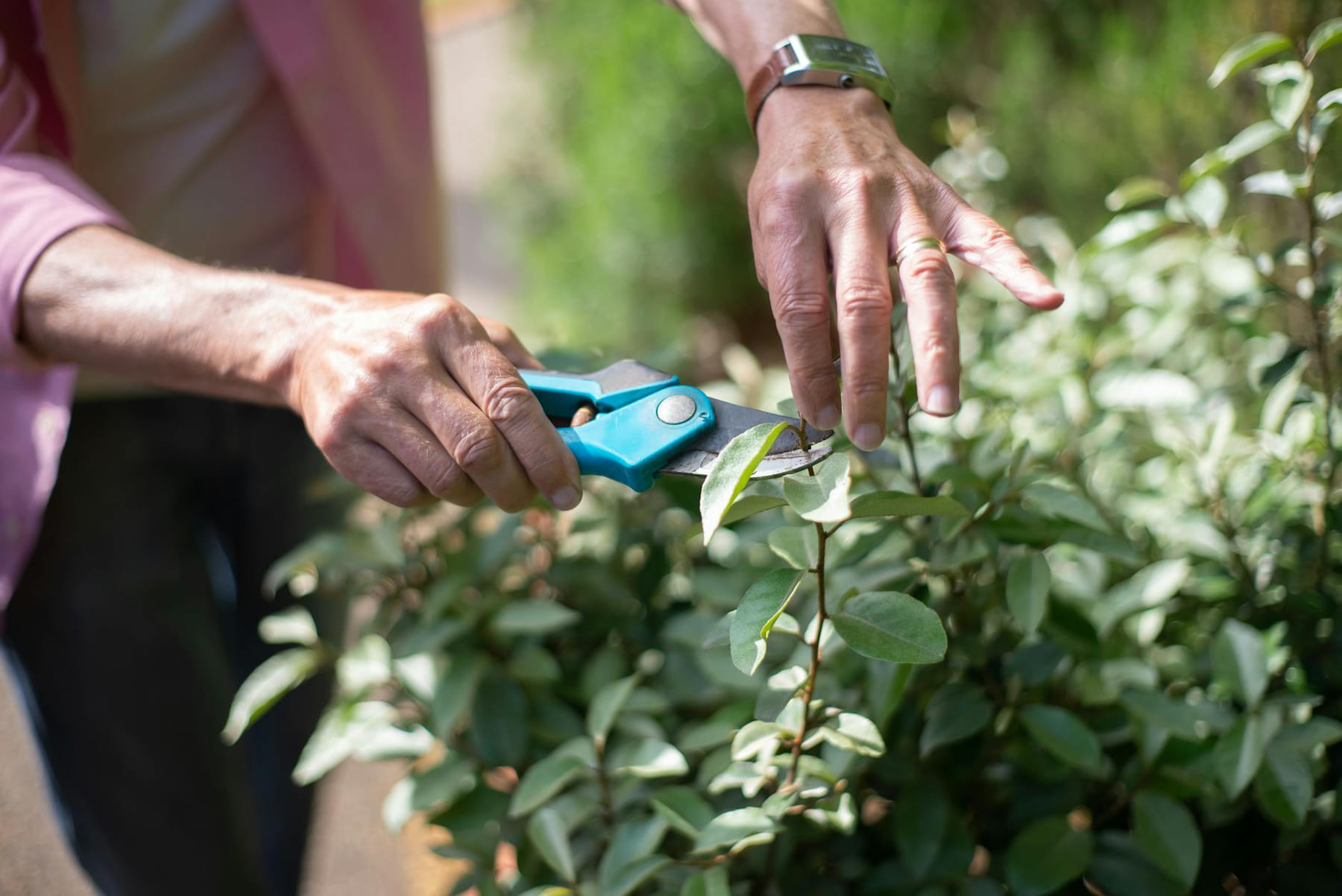
Balcony Pruners: What to Look For
Best Pruners for Balcony Gardens: Grow a Thriving Oasis
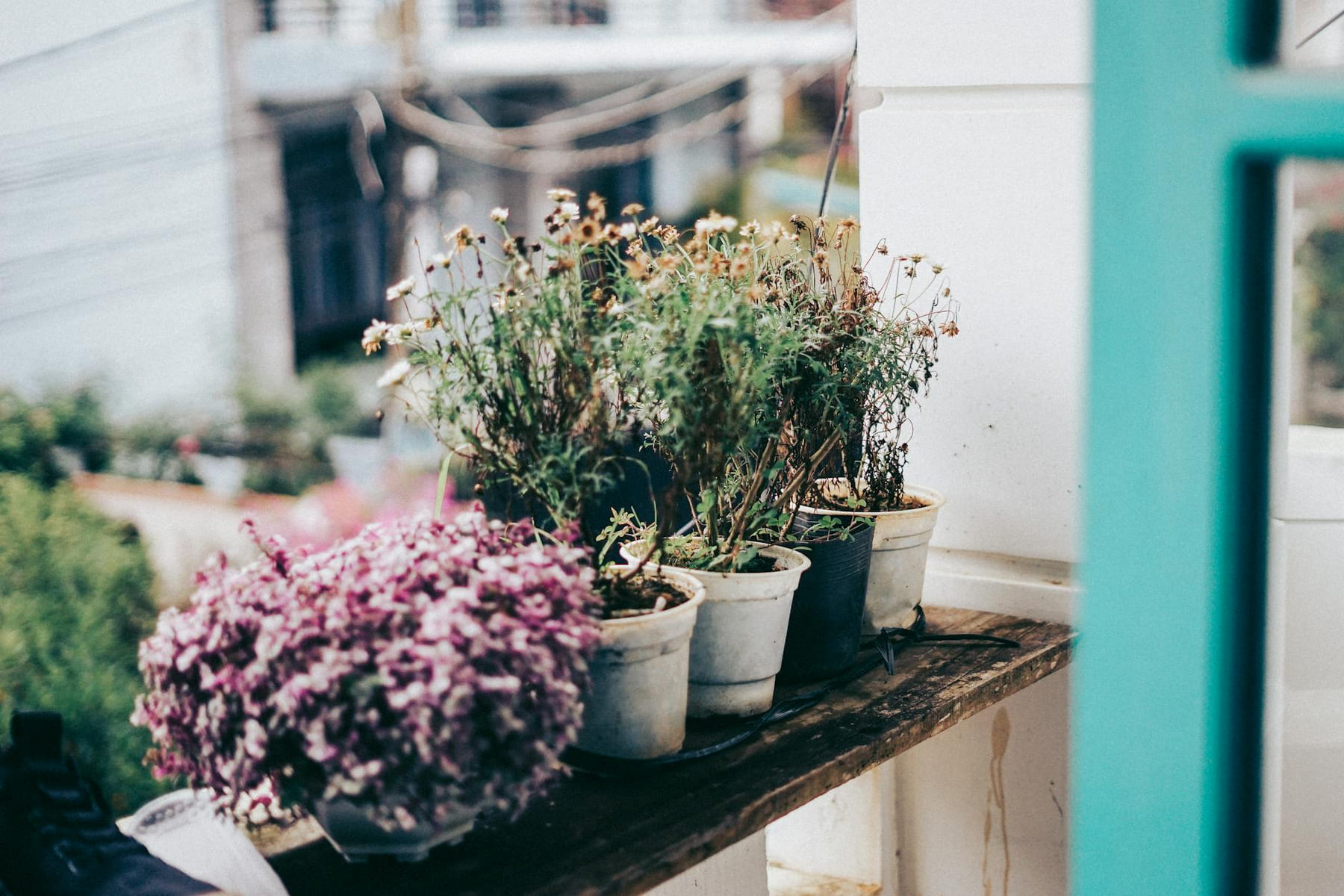
Balcony Blooms: Flowers That Thrive
Flowers That can be easier to approach when you start with a few practical basics.
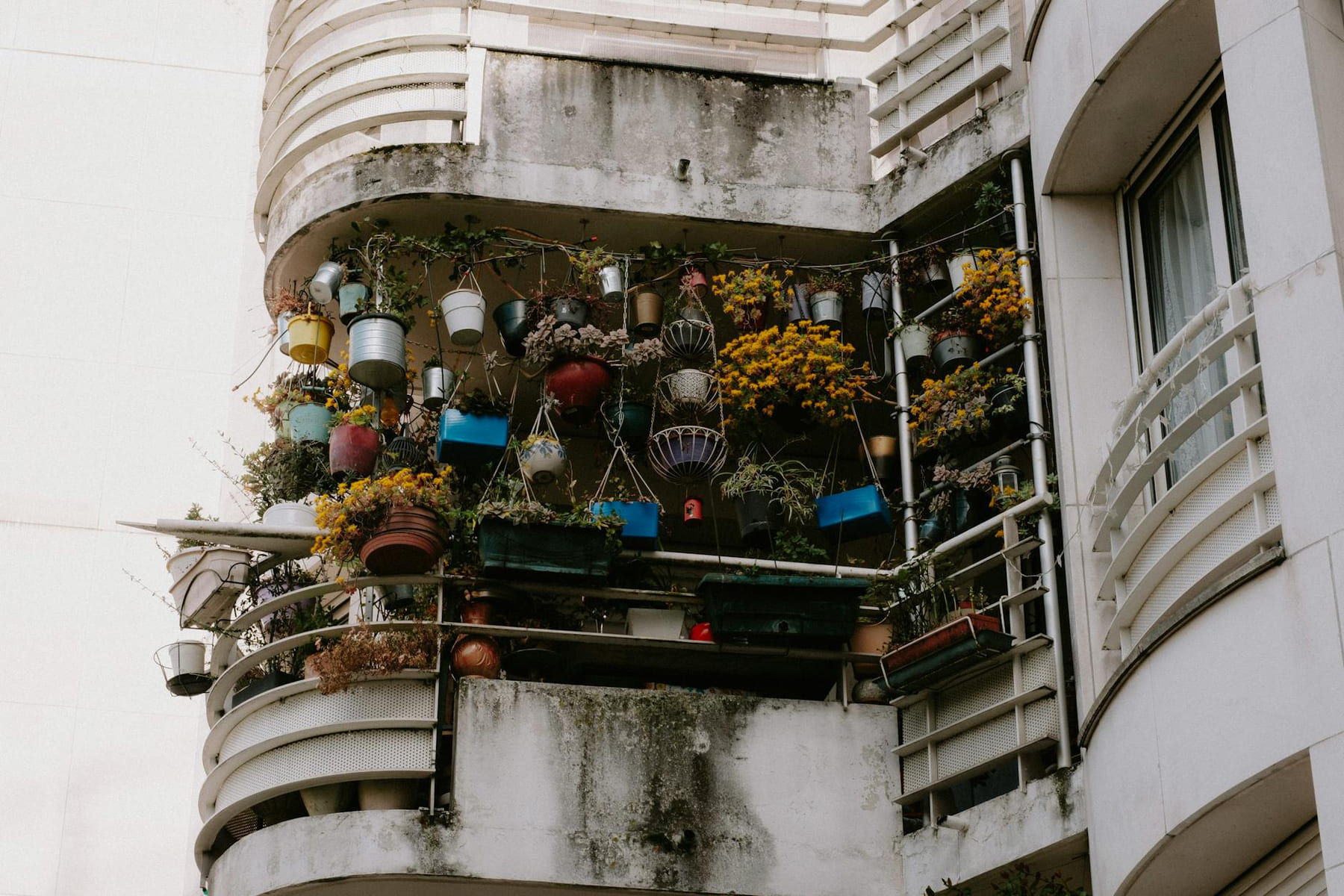
Balcony Veggies: Solving Common Plot Problems
Balcony Vegetable Plots Troubleshooting - Urban Sprout Corner Balcony Vegetable Plots Troubleshooting: Turning Your Tiny Space into a Bounty Welcome back to Urban.