Small Space can be easier to approach when you start with a few practical basics.
- Moderate: Basil, parsley, and sage. These herbs need a bit more consistent attention - regular watering, occasional feeding, and maybe some pruning to keep them bushy.
- A Little More Challenging: Mint and rosemary. Mint, in particular, is a spreader - you’ll need to keep it contained in a pot. Rosemary can be a bit sensitive to overwatering, and needs good drainage.
Top Herb Recommendations - Detailed Profiles (Small Space)
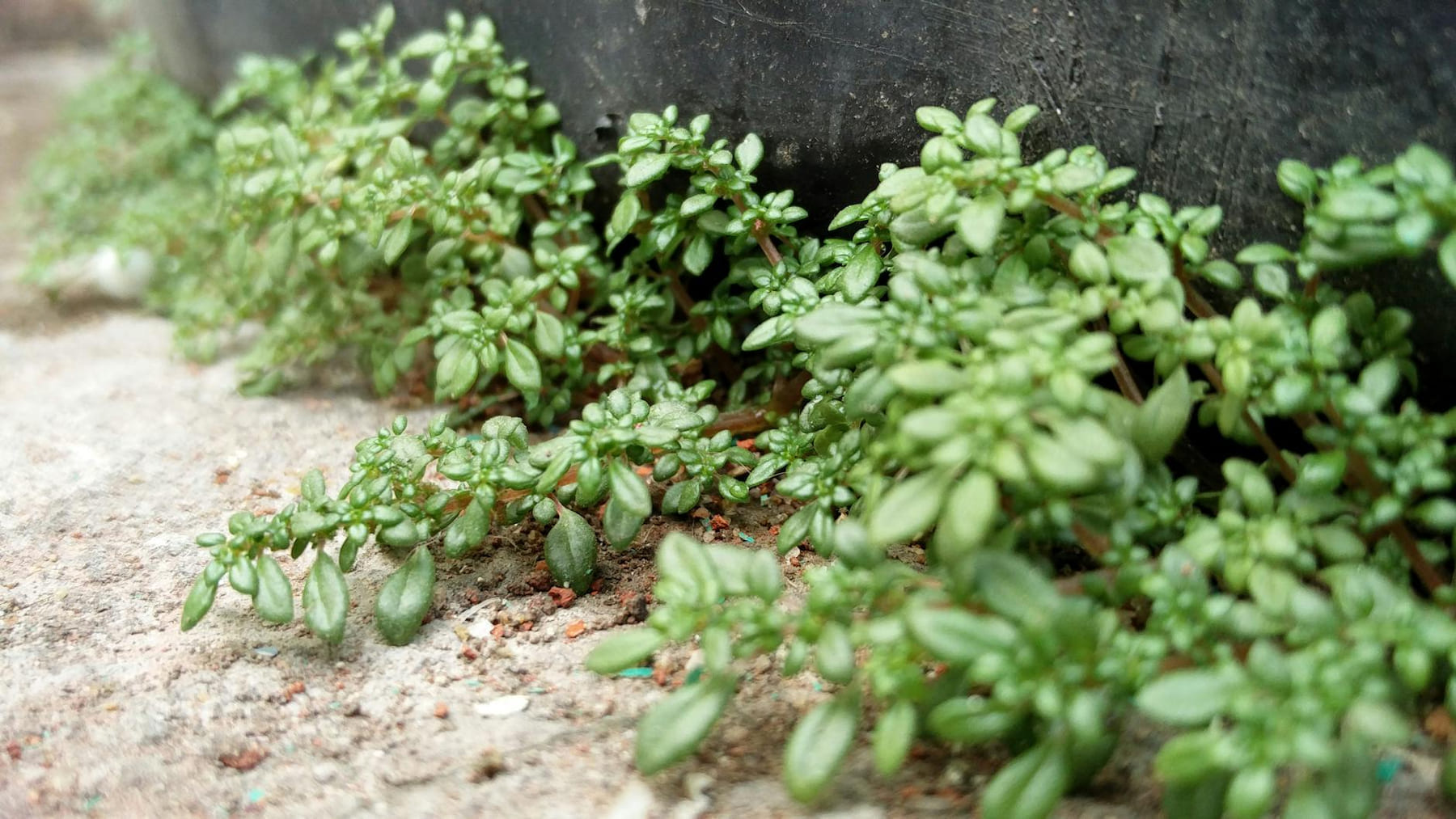
Let’s dive into some specific herbs and what makes them great for small spaces. Basil: Genovese basil is the classic, but Thai basil and lemon basil are fantastic choices too. Basil loves sunlight - at least six to eight hours a day is ideal. Watering is key; let the top inch of soil dry out between waterings. When harvesting, snip off leaves from the top of the plant, rather than pulling off large branches. For containers, choose a pot that’s at least 12 inches in diameter to give the roots plenty of room. A terracotta pot is a good option because it allows the soil to breathe, but plastic works well too - just make sure it has drainage holes. Mint: Seriously, mint is a powerhouse. Peppermint and spearmint are incredibly popular, and there are dozens of varieties. The biggest thing to remember with mint is that it will take over. Definitely grow it in a container - a large one is your best bet. You can even use a pot within a pot to really contain the spread. Mint does well in partial shade, but it will thrive in a sunny spot. Chives: These are incredibly easy to grow and are a beautiful addition to any garden. They’re edible, and the flowers are too - adding a delicate oniony flavor to salads and dishes. Chives need full sun (at least 6 hours) and well-drained soil. They’re fairly drought-tolerant once established. You can even snip the flowers for a pop of color and a mild onion flavor. Parsley: Both flat-leaf and curly parsley are great choices. Parsley likes consistent moisture, but don't let it sit in soggy soil. A pot that's about 8-10 inches in diameter is usually sufficient. Regular feeding with a balanced liquid fertilizer will help it thrive. You’ll need to harvest parsley regularly to encourage new growth. Rosemary: This herb has a wonderfully robust flavor, and it can add a lot of character to your cooking. Rosemary needs excellent drainage - this is crucial. Root rot is a common problem with rosemary, so make sure your container has plenty of drainage holes and use a well-draining potting mix. It loves full sun and doesn't need a lot of water. Thyme: Common thyme and lemon thyme are both fantastic choices. Thyme is drought-tolerant, which makes it perfect for small spaces. It thrives in full sun and well-drained soil. It’s a great companion plant for many vegetables and flowers. Oregano: Greek oregano and Italian oregano are both popular. Oregano is pretty easy to propagate from cuttings, so you can easily create more plants. It’s a sun-lover and prefers slightly drier conditions. There are many varieties, each with its own unique flavor profile - experiment to find your favorite! Sage: Sage is a beautiful, fragrant herb that adds a savory note to dishes. It needs full sun and well-drained soil. Like rosemary, it’s susceptible to root rot, so good drainage is essential. A pot that's at least 10 inches in diameter is recommended.
Container Essentials & Growing Conditions
Okay, let's talk about the practical stuff. Your container choice matters. Terracotta pots are lovely and breathable, but they dry out faster, so you'll need to water more frequently. Plastic pots retain moisture better, which is good for herbs that don’t like to dry out completely. Whatever you choose, always make sure it has drainage holes. Potting mix is another important factor. Don’t use garden soil - it’s too heavy and won’t drain well in a container. Opt for a high-quality potting mix designed for containers. You can boost the nutrients by adding a little organic fertilizer every few weeks. And finally, sunlight. Most herbs need at least six hours of direct sunlight per day. If you don’t have a sunny spot, you can use reflective surfaces - like mirrors or white walls - to bounce light into the container.
Care & Maintenance
Watering consistently is key, but it's easy to overdo it. Stick your finger into the soil - if it feels moist, don't water. Harvesting regularly encourages growth and keeps your herbs looking their best. Snip off leaves as needed, or harvest entire stems. You might encounter a few common problems. Pests like aphids can sometimes be an issue - a simple spray of soapy water can usually take care of them. Leggy growth (long, spindly stems) often indicates a lack of sunlight. And if your herbs aren’t thriving, it could be a sign that they’re not getting enough nutrients.
Pick the easiest win first
Most people get better results with Small Space Herbs: Which Ones to Grow when they narrow the decision to one real problem. That could be saving time, trimming cost, reducing friction, or making the routine easier to keep up.
This usually gets easier once you make a short list of priorities. A tighter list tends to produce better decisions than trying to solve every possible problem at once.
Another useful filter is asking what you would still recommend if the budget got tighter, the schedule got busier, or the setup had to be easier for someone else to manage. The answers to that question usually reveal which advice is durable and which advice only works under ideal conditions.
The tradeoff most people notice late
One common mistake with Small Space Herbs: Which Ones to Grow is expecting every option to solve the whole problem. In reality, some choices are better for convenience, some for reliability, and some simply for keeping the budget under control.
Before spending more, it is worth checking the setup, upkeep, and learning curve. Small hassles matter here because they are usually what decide whether something stays useful or gets ignored.
It is easy to underestimate how much clarity comes from removing one unnecessary layer. In practice, trimming one complication often does more for Small Space Herbs: Which Ones to Grow than adding one more feature, one more product, or one more clever workaround.
What makes this easier to live with
The options that age well are usually the ones that are easy to repeat. Reliability and low hassle often matter more than the most impressive-looking feature list.
In a topic like Small Space Gardening, manageable almost always beats impressive. If something is simple enough to keep using, it is usually doing more real work for you.
Readers usually get better results when they treat advice as something to test and refine, not something to obey perfectly. That mindset creates room for real judgment, which is often the difference between content that sounds smart and guidance that is actually useful.
Keep This Practical
If you want the advice here to stick, turn it into one change you can observe over the next week or two. Plants tend to reward steady adjustments more than dramatic resets.
Tools Worth A Look
These recommendations are most helpful if you want tools or supplies that make a small-space garden easier to grow and maintain.
- Quictent Galvanized Raised Garden Bed Kit with Self Watering System and Mesh Cover, Large Oval Metal Outdoor Planter Garden BoxesGreen: Simple Ideas for Small Outdoor SpacesMr. Stacky 1305-HG 5-Tier Stackable Strawberry, Herb, Flower, & Vegetable PlanterVertical Gardening - Bountiful Results in Small SpacesSmall Space Gardening
Some of the links on this page are Amazon affiliate links, which means I may earn a small commission if you make a purchase through them. As an Amazon Associate, I earn from qualifying purchases.
Related ReadingMore from Urban Sprout Corner
Vegetable Friends: Companion Flowers for Your Garden
Let’s Talk Gardens! - Boosting Your Small Space Vegetable Garden with Companion Flowers Welcome to Urban Sprout Corner! If you’re anything like me, you’re dreaming.
Small Space Blooms: Compact Garden Ideas
Tiny Spaces, Big Harvests: Your Guide to Budget-Friendly Small Garden Ideas Living in the city doesn’t mean you have to say goodbye to the joy of growing your own.
Small Garden Style: Decorating Tiny Spaces
Another easy trap is copying a setup that made sense for someone with a different routine, budget, or tolerance for maintenance. In Small Space Gardening, that.