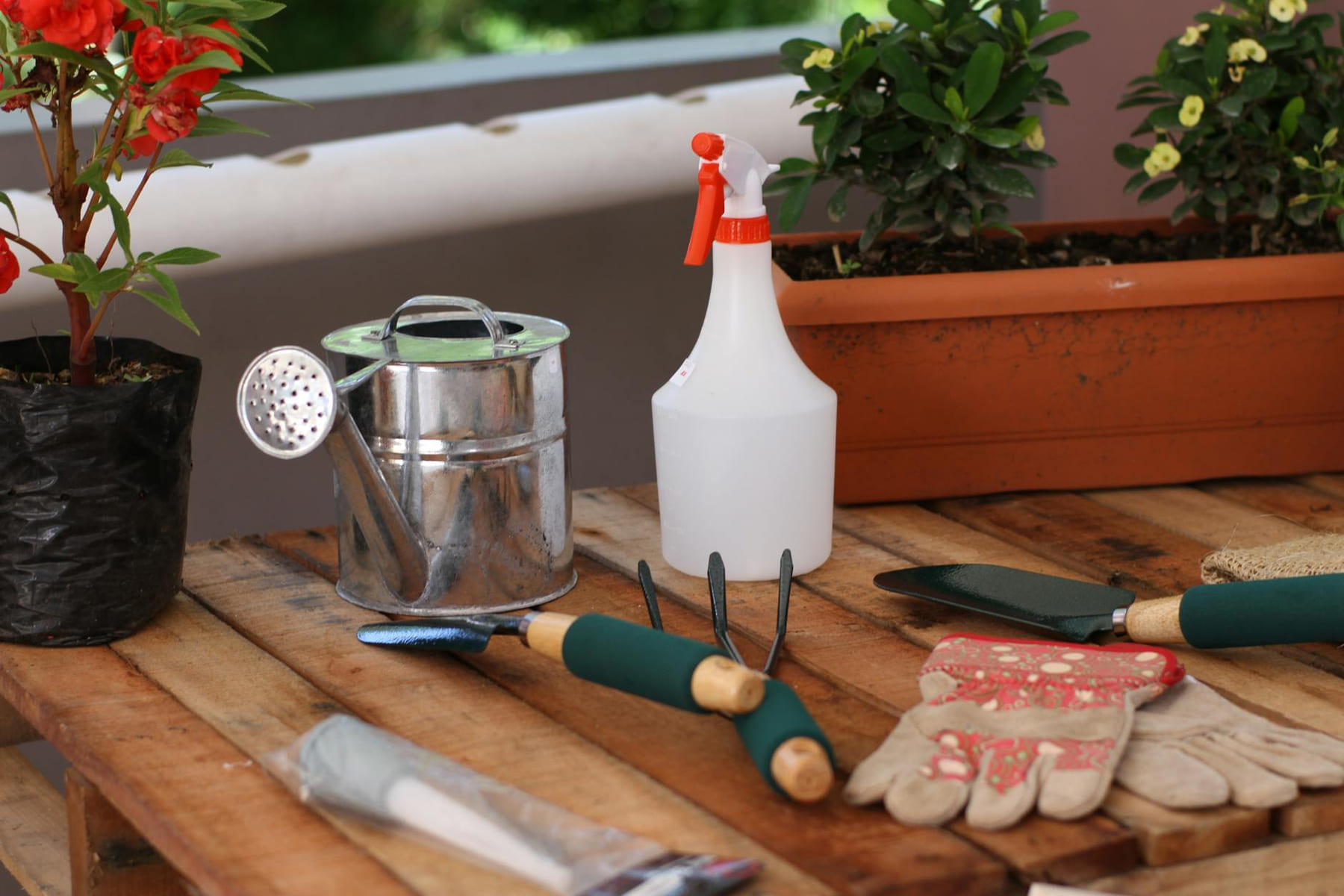
1. Lightweight Hand Cultivator: ($18 - $30) - Durable and Easy to Maneuver (Container Gardening)
Don’t let the name fool you - a mini hand fork is a surprisingly powerful tool for container gardening. It’s fantastic for gently loosening soil around the base of plants, which is essential for root health and aeration. It’s also incredibly effective for weeding, especially for those pesky little seedlings that pop up between your plants.
Why it’s great for container gardening: Container soil can become compacted, hindering root growth. A mini hand fork helps to improve drainage and aeration, promoting healthier roots. It’s also a less aggressive way to remove weeds compared to pulling them out by hand.
Practical Example: Before transplanting a pepper plant, use the mini hand fork to loosen the soil around its roots, making it easier to remove the plant and preventing root damage.
5. Soil Scoop: ($5 - $15) - For Efficient Potting and Repotting
While not strictly a “hand tool,” a good soil scoop is an indispensable addition to any container gardener’s toolkit. It makes transferring soil between containers, adding compost, or topping up the soil level much easier and less messy. Look for one made of durable plastic or metal.
Why it’s great for container gardening: Reduces strain on your back and arms during potting and repotting. Keeps your workspace cleaner.
6. Moisture Meter: ($10 - $25) - Know When to Water
A moisture meter is a game-changer for container gardening. It allows you to accurately assess the moisture level of your soil, preventing both overwatering and underwatering - two of the most common mistakes made by beginner gardeners.
Why it’s great for container gardening: Container plants dry out much faster than plants in the ground, so consistent monitoring is crucial.
7. Gloves: ($5 - $15) - Protect Your Hands
Protecting your hands from dirt, thorns, and potential irritants is essential. A good pair of gardening gloves will make your container gardening experience more comfortable and enjoyable.
Why it’s great for container gardening: Reduces the risk of blisters and cuts.
Focus on the part that solves the problem
In a topic like Small Space Gardening, the strongest starting point is usually the one you will notice and use right away. That is often more helpful than adding extra features too early.
Before spending more, it is worth checking the setup, upkeep, and learning curve. Small hassles matter here because they are usually what decide whether something stays useful or gets ignored.
It is easy to underestimate how much clarity comes from removing one unnecessary layer. In practice, trimming one complication often does more for Container Gardening Tools: Small Space Wins than adding one more feature, one more product, or one more clever workaround.
Where extra features get in the way
Another easy trap is copying a setup that made sense for someone with a different routine, budget, or tolerance for maintenance. In Small Space Gardening, that mismatch is often what makes a promising idea feel frustrating later.
A lot of options sound great until you picture them in a normal week. If the setup is fussy, the routine is easy to forget, or the maintenance is annoying, the appeal fades quickly.
There is also value in keeping one part of the process deliberately simple. Readers often do better when they identify the one decision that carries the most weight and make that choice carefully before they chase smaller optimizations. That keeps momentum steady and usually prevents the topic from turning into clutter.
What makes the choice hold up
A better approach is to break Container Gardening Tools: Small Space Wins into smaller decisions and solve the highest-friction part first. Testing one practical change usually teaches more than trying to perfect everything in a single pass.
Leave a little room to adjust as you go. A setup that works in one budget range, season, or routine might need a small change later, and that is usually normal rather than a sign you got it wrong.
If this topic still feels crowded or overcomplicated, that is usually a sign to narrow the decision, not a sign that you need more noise. One careful adjustment, followed by honest observation, tends to teach more than another round of abstract tips.
How to keep the routine manageable
A grounded next step is usually better than a dramatic one. Pick one realistic change, see how it works in normal life, and let that result guide the next decision.
The version that holds up best is usually the one you can live with on an ordinary day. That often matters more than the version that only feels good when you have extra time, energy, or money.
That is why the best next step is often a modest one with a clear upside. You want something specific enough to act on, flexible enough to adjust, and practical enough that you would still recommend it after the first burst of enthusiasm fades.
What matters more than the sales pitch
Another useful filter is asking what you would still recommend if the budget got tighter, the schedule got busier, or the setup had to be easier for someone else to manage. The answers to that question usually reveal which advice is durable and which advice only works under ideal conditions.
If you want Container Gardening Tools: Small Space Wins to hold up over time, choose the version you can actually maintain. That can mean spending less, leaving out an attractive extra, or simplifying the setup so it fits ordinary life.
You do not need the flashiest answer here. You need the one that fits your space, budget, and routine well enough that you will still feel good about it after the first week.
A practical way to move forward
Readers usually get better results when they treat advice as something to test and refine, not something to obey perfectly. That mindset creates room for real judgment, which is often the difference between content that sounds smart and guidance that is actually useful.
When you are deciding what to do next, aim for the option that reduces friction and gives you a clearer read on what matters most. That is usually how Container Gardening Tools: Small Space Wins becomes more useful instead of more complicated.
In a topic like Small Space Gardening, manageable almost always beats impressive. If something is simple enough to keep using, it is usually doing more real work for you.
Keep This Practical
The best small-space gardening moves are practical and repeatable. Pick the plant, container, or routine that matches your real conditions instead of forcing the ideal version.
Tools Worth A Look
The products here work best when they support healthy plants and simpler routines in the space you actually have.
- Meekear 5 Herb Seeds Garden Starter Kit with Complete Planting Kit & Wooden Flower Box, Growing into Basil, Parsley, Rosemary, Thyme, Mint6x3x2FT Galvanized Raised Garden BedSeed Planter Tool, 6.9" Dibber Garden Tool, Plastic Seed Dibbler for Planting, Bulb Digger Garden Planter with Handle for Sowing SeedsVertical Gardening - Bountiful Results in Small SpacesRHS Little Book of Small-Space Gardening: Easy-grow Ideas for Balconies, Window Boxes & Other Outdoor Areas
Some of the links on this page are Amazon affiliate links, which means I may earn a small commission if you make a purchase through them. As an Amazon Associate, I earn from qualifying purchases.
Related ReadingMore from Urban Sprout Corner
Vegetable Friends: Companion Flowers for Your Garden
Let’s Talk Gardens! - Boosting Your Small Space Vegetable Garden with Companion Flowers Welcome to Urban Sprout Corner! If you’re anything like me, you’re dreaming.
Small Space Blooms: Compact Garden Ideas
Tiny Spaces, Big Harvests: Your Guide to Budget-Friendly Small Garden Ideas Living in the city doesn’t mean you have to say goodbye to the joy of growing your own.
Small Garden Style: Decorating Tiny Spaces
Another easy trap is copying a setup that made sense for someone with a different routine, budget, or tolerance for maintenance. In Small Space Gardening, that.