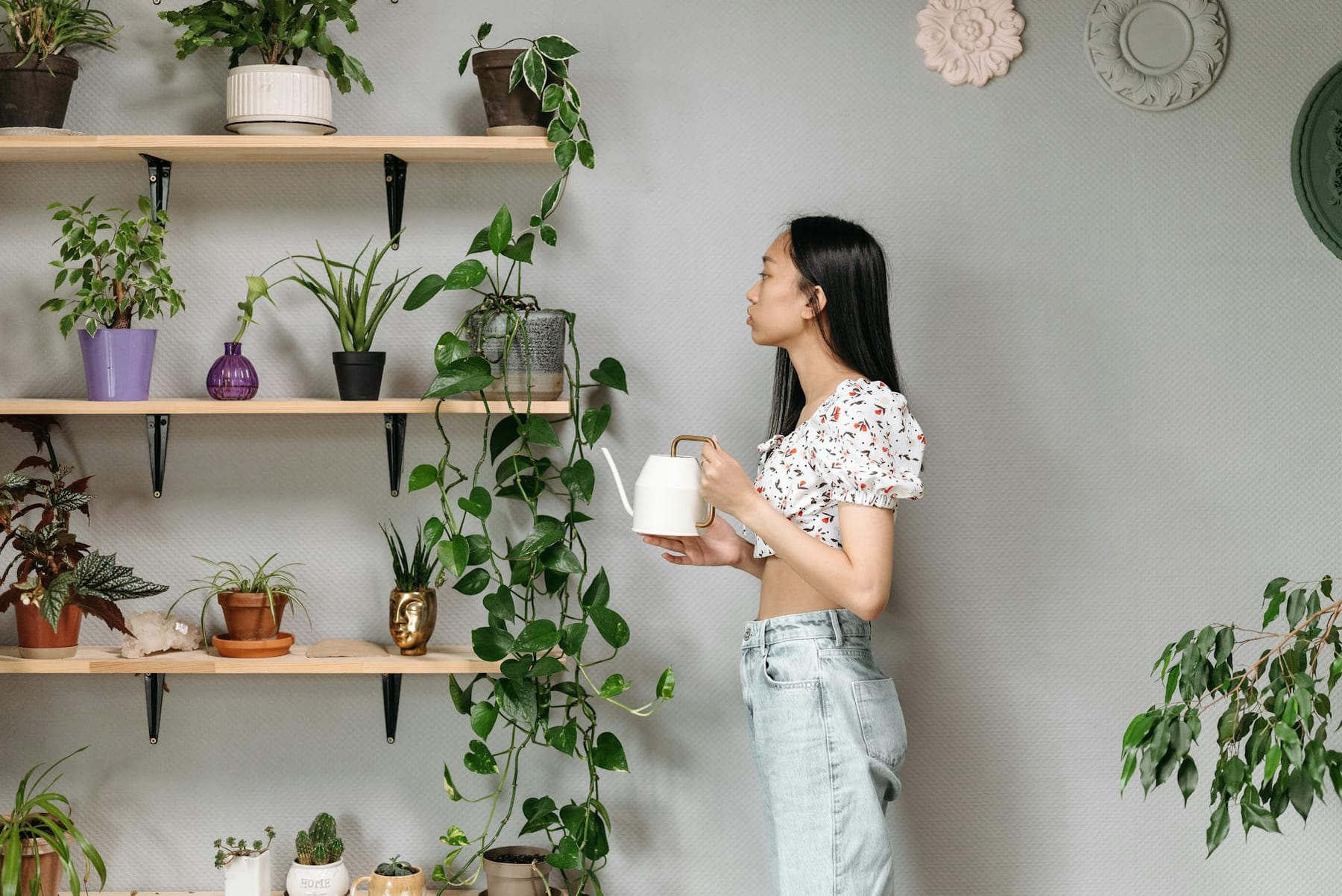
Welcome back to Urban Sprout Corner! If you’re like us, you’re passionate about bringing the beauty and benefits of plants into your home - even if you’re living in a small apartment or city dwelling. But let’s be honest, floor space is a precious commodity. That’s where the right shelving system comes in. Choosing the best shelves for indoor plants isn’t just about aesthetics; it’s about creating a thriving, organized, and visually stunning green oasis. Today, we’re diving deep into the world of plant shelves, exploring different styles, materials, and features to help you find the perfect fit for your space and your leafy friends.
Why Shelves Are a Game-Changer for Small Space Gardening
Before we jump into specific shelf recommendations, let’s talk about why shelves are so crucial for small space gardening. Traditional potted plants can quickly dominate a room, making it feel cramped and overwhelming. Shelves offer a fantastic solution by:
- Vertical Space Utilization: You’re utilizing space you might otherwise ignore - the walls! This dramatically increases your planting capacity without taking up valuable floor space.
- Improved Air Circulation: Proper spacing between plants on shelves allows for better airflow, which is vital for preventing fungal diseases and promoting healthy growth. Tightly packed plants are a breeding ground for problems.
- Visual Interest: A well-designed shelf system creates a layered, dynamic display that’s far more engaging than a single row of pots.
- Flexibility: You can easily rearrange your plants as they grow or as your style changes.
Types of Shelves for Indoor Plants
Now, let’s break down the different types of shelves available, considering their strengths and weaknesses:
1. Floating Shelves
Floating shelves are incredibly popular for a reason - they’re sleek, minimalist, and don’t take up any visual space on the floor. They’re fantastic for showcasing a few carefully chosen plants, especially trailing varieties like pothos or string of pearls.
Pros: Modern look, minimal footprint, easy to install. Cons: Limited weight capacity (important for larger plants), can be tricky to dust the shelves themselves.
Example: A pair of simple, dark wood floating shelves holding a fiddle leaf fig and a small grouping of succulents would create a sophisticated focal point in a living room.
2. Tiered Shelving Units
Tiered shelving units, often made of metal or wood, provide multiple levels for displaying a wider variety of plants. They’re ideal for creating a mini-indoor jungle. Look for units with adjustable shelves to accommodate plants of different heights.
Pros: High capacity, versatile, come in various styles. Cons: Can take up more floor space than floating shelves, may require more assembly.
Example: A three-tier metal shelving unit with a rustic finish would look fantastic in a sunroom, housing a collection of ferns, snake plants, and ZZ plants.
3. Corner Shelves
Don’t overlook your corners! Corner shelves are a brilliant way to maximize space in oddly shaped rooms. They’re perfect for showcasing trailing plants that might otherwise get blocked by furniture.
Pros: Utilizes often-neglected space, adds visual interest. Cons: Can be difficult to reach plants on the highest shelves, may require specific mounting hardware.
Example: A corner shelf holding a trailing pothos and a small prayer plant would create a lush, green corner in a bedroom or office.
4. Ladder Shelves
Ladder shelves offer a unique and stylish way to display plants. They’re particularly good for showcasing taller plants like palms or bamboo.
Pros: Visually appealing, good for taller plants. Cons: Can be unstable if not properly secured, may not be suitable for very heavy plants.
Example: A wooden ladder shelf holding a small palm and a collection of air plants would add a touch of bohemian charm to a living room.
5. Wall-Mounted Plant Stands
These aren’t technically shelves, but they serve a similar purpose - elevating your plants. Plant stands come in a huge variety of styles, from rustic wooden stands to modern geometric designs. They’re a great option for creating a focal point around a single, statement plant.
Pros: Versatile, available in many styles. Cons: Can be more expensive than shelves, require secure mounting.
Example: A simple, ceramic plant stand holding a vibrant orchid would add a touch of elegance to a hallway or entryway.
Material Matters: Choosing the Right Shelf Material
The material of your shelves will impact their durability, aesthetics, and how well they hold up to moisture. Here's a quick rundown:
- Wood: Classic and versatile, but can be susceptible to moisture damage. Sealed or treated wood is best for indoor use.
- Metal: Durable and easy to clean, but can feel cold. Powder-coated metal is a good choice for moisture resistance.
- Concrete: Adds a modern, industrial vibe and is incredibly durable. Requires sealing to prevent staining.
- Plastic: Lightweight and affordable, but may not be as aesthetically pleasing as other materials.
Tips for Arranging Your Shelves
Simply buying shelves isn’t enough - you need to arrange them thoughtfully. Here are a few tips:
- Consider Light Levels: Group plants with similar light requirements together.
- Vary Heights and Textures: Create visual interest by mixing plants of different heights and textures.
- Use Decorative Elements: Add moss, pebbles, or small figurines to create a more curated look.
- Don’t Overcrowd: Give your plants room to grow!
Maintenance and Care
Remember that your shelves and plants need regular care. Dust shelves regularly and check your plants for pests and diseases. Consider using waterproof liners for shelves that might get splashed with water. Investing in a good quality spray bottle for misting your plants will also help keep them healthy and thriving.
We hope this guide has given you the inspiration and knowledge you need to create a stunning indoor plant display. Happy growing! Don’t forget to share photos of your shelves and plants with us on social media using #UrbanSproutCorner. Until next time, keep those roots down!
Pick the easiest win first
Most people get better results with Indoor Plant Shelves: Small Space Style when they narrow the decision to one real problem. That could be saving time, trimming cost, reducing friction, or making the routine easier to keep up.
This usually gets easier once you make a short list of priorities. A tighter list tends to produce better decisions than trying to solve every possible problem at once.
Another useful filter is asking what you would still recommend if the budget got tighter, the schedule got busier, or the setup had to be easier for someone else to manage. The answers to that question usually reveal which advice is durable and which advice only works under ideal conditions.
The tradeoff most people notice late
One common mistake with Indoor Plant Shelves: Small Space Style is expecting every option to solve the whole problem. In reality, some choices are better for convenience, some for reliability, and some simply for keeping the budget under control.
Before spending more, it is worth checking the setup, upkeep, and learning curve. Small hassles matter here because they are usually what decide whether something stays useful or gets ignored.
It is easy to underestimate how much clarity comes from removing one unnecessary layer. In practice, trimming one complication often does more for Indoor Plant Shelves: Small Space Style than adding one more feature, one more product, or one more clever workaround.
Keep This Practical
If you want the advice here to stick, turn it into one change you can observe over the next week or two. Plants tend to reward steady adjustments more than dramatic resets.
Tools Worth A Look
These recommendations are most helpful if you want tools or supplies that make a small-space garden easier to grow and maintain.
- Worth Garden 4 Tier Mini Greenhouse - 63'' H x 27'' L x 19'' W - Sturdy Portable Gardening ShelvesVertical Gardening: A Complete Guide to Growing Food, Herbs, and Flowers in Small SpacesSmall-Space Gardening: How To Successfully Grow Flowers And Fruits In Containers And PotsSmall Space Gardening Made Simple: A Beginner’s Guide to Growing Vegetables in Containers, Raised Beds, and Vertical Systems10 Gallon Potato Grow Bags
Some of the links on this page are Amazon affiliate links, which means I may earn a small commission if you make a purchase through them. As an Amazon Associate, I earn from qualifying purchases.
Related ReadingMore from Urban Sprout Corner
Vegetable Friends: Companion Flowers for Your Garden
Let’s Talk Gardens! - Boosting Your Small Space Vegetable Garden with Companion Flowers Welcome to Urban Sprout Corner! If you’re anything like me, you’re dreaming.
Small Space Blooms: Compact Garden Ideas
Tiny Spaces, Big Harvests: Your Guide to Budget-Friendly Small Garden Ideas Living in the city doesn’t mean you have to say goodbye to the joy of growing your own.
Small Garden Style: Decorating Tiny Spaces
Another easy trap is copying a setup that made sense for someone with a different routine, budget, or tolerance for maintenance. In Small Space Gardening, that.