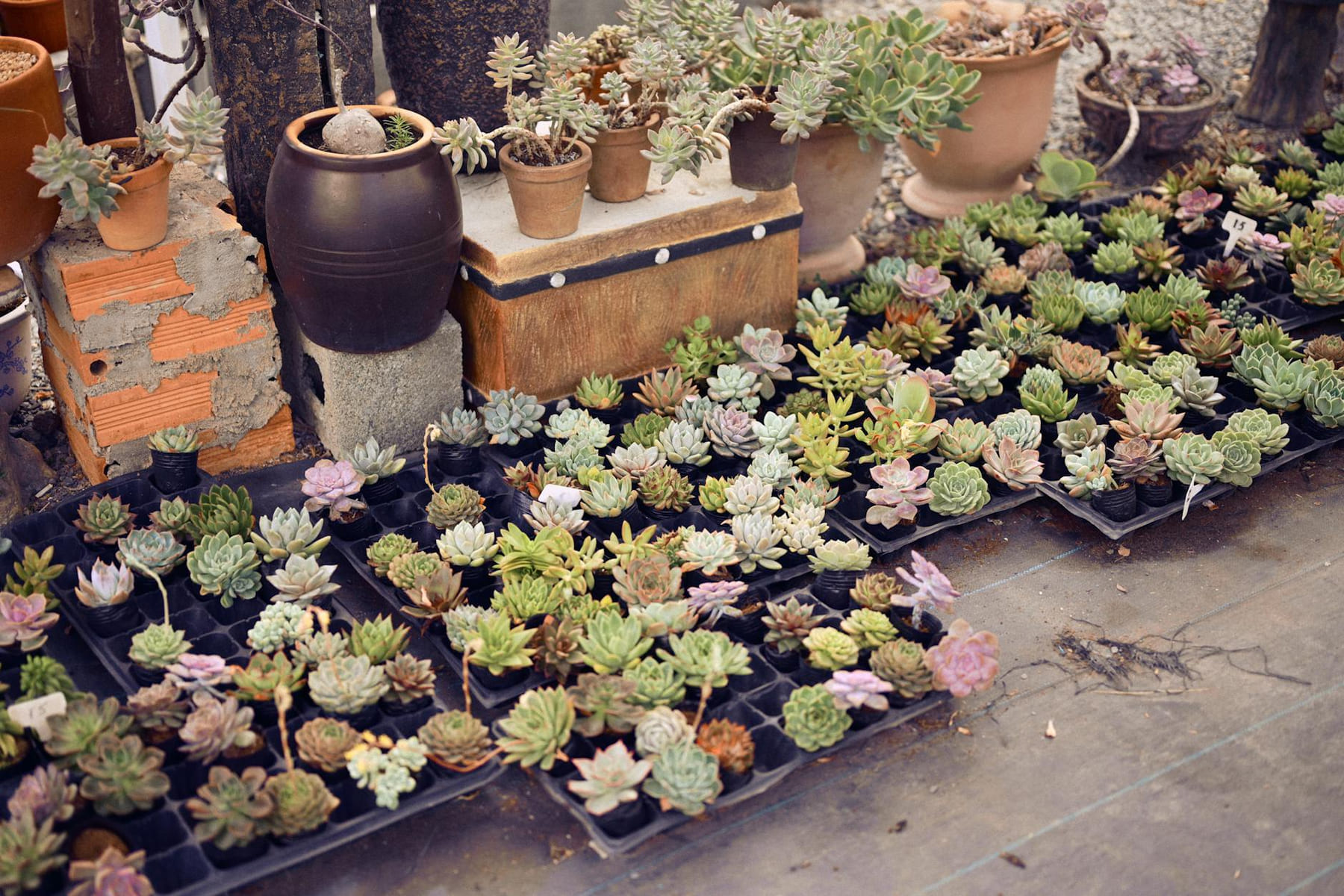
Drought-tolerant plants, on the other hand, are adapted to survive with less water. This means less work for you, a more sustainable gardening practice, and the peace of mind knowing your plants will flourish even during the hottest months. Plus, they’re often incredibly beautiful and versatile, adding texture, color, and visual interest to your small space.
Top Drought-Tolerant Container Plants for Small Spaces
Here’s a curated list of some of our favorite drought-tolerant container plants, broken down by their characteristics and ideal uses:
1. Succulents - The Low-Maintenance Kings & Queens
Succulents are arguably the most popular choice for drought-tolerant container gardening. They come in an astonishing array of shapes, sizes, and colors, and require minimal watering once established. They’re also incredibly versatile - you can create stunning rosette displays, trailing cascades, or even miniature succulent landscapes.
Examples: Echeveria, Sedum (especially ‘Autumn Joy’ and ‘Lemon Coral’), Aloe, Haworthia, Crassula (Jade Plant - though it appreciates a bit more sunlight).
Container Tip: Use a well-draining potting mix specifically formulated for succulents. Terracotta pots are ideal as they allow the soil to breathe and prevent overwatering.
2. Sedums - Trailing Beauty & Easy Care
Sedums are a diverse group of succulents known for their trailing growth habits and vibrant colors. They’re fantastic for hanging baskets, spilling over the edges of containers, and adding a touch of whimsy to your space. They also bloom beautifully in late summer and fall, attracting pollinators.
Examples: Sedum morganianum (Burro’s Tail), Sedum ‘Autumn Joy’ (pink blooms), Sedum ‘Lemon Coral’ (yellow blooms).
3. Lavender - Fragrant & Fabulous
Lavender isn’t just beautiful; it’s incredibly fragrant and attracts bees and butterflies. While it needs full sun, it’s remarkably drought-tolerant once established. Choose compact varieties to suit smaller containers.
Examples: ‘Hidcote’ Lavender, ‘Munstead’ Lavender, ‘Little Gizmo’ Lavender.
Container Tip: Lavender prefers slightly alkaline soil. Adding a bit of lime to your potting mix can help.
4. Ornamental Grasses - Texture & Movement
Adding ornamental grasses to your container garden introduces a wonderful textural element and a sense of movement. They’re surprisingly drought-tolerant and add a touch of the wild to your urban oasis.
Examples: Blue Fescue (Festuca glauca), Feather Reed Grass (Calamagrostis x acutiflora ‘Karl Foerster’ - choose a dwarf variety for containers), Mexican Feather Grass (Nassella tenuissima).
5. Rosemary - Culinary & Colorful
Rosemary is a fragrant herb that’s also incredibly drought-tolerant. It’s a fantastic addition to any container garden, providing both beauty and culinary value. Choose compact varieties for containers.
Examples: ‘Prostratus’ Rosemary (trailing), ‘Blue Boy’ Rosemary.
Container Tip: Rosemary thrives in well-draining soil and full sun. Pruning regularly encourages bushier growth.
6. Sempervivum (Hens and Chicks) - Cluster Power
These little rosetted succulents are incredibly resilient and produce ‘chicks’ (baby plants) around the mother plant, creating a stunning cluster effect. They’re perfect for adding a burst of color and interest to your containers.
Container Tip: Sempervivums appreciate a slightly gritty soil mix to ensure excellent drainage.
Container Considerations for Drought-Tolerant Plants
Choosing the right container is just as important as selecting the right plants. Here are a few key considerations:
- Material: Terracotta and unglazed ceramic pots are excellent choices because they allow the soil to breathe and dry out more quickly, which is beneficial for drought-tolerant plants. Plastic pots retain moisture longer, so be extra careful not to overwater.
- Size: Match the container size to the plant’s mature size. A small succulent in a huge pot will quickly become root-bound and require more frequent watering.
- Drainage: Ensure your containers have adequate drainage holes to prevent waterlogging.
Watering Strategies for Drought-Tolerant Containers
Even drought-tolerant plants need water, but you can significantly reduce your watering frequency by following these tips:
- Water deeply but infrequently: When you do water, water thoroughly until water drains out of the bottom of the container.
- Check the soil moisture: Before watering, stick your finger about an inch into the soil. If it feels dry, it’s time to water.
- Mulch: Adding a layer of gravel or pebbles to the top of the soil can help retain moisture and suppress weeds.
- Group plants with similar watering needs: This will help you avoid overwatering or underwatering.
Focus on the part that solves the problem
In a topic like Small Space Gardening, the strongest starting point is usually the one you will notice and use right away. That is often more helpful than adding extra features too early.
Before spending more, it is worth checking the setup, upkeep, and learning curve. Small hassles matter here because they are usually what decide whether something stays useful or gets ignored.
It is easy to underestimate how much clarity comes from removing one unnecessary layer. In practice, trimming one complication often does more for Container Plants That Thrive in Dry Heat than adding one more feature, one more product, or one more clever workaround.
Where extra features get in the way
Another easy trap is copying a setup that made sense for someone with a different routine, budget, or tolerance for maintenance. In Small Space Gardening, that mismatch is often what makes a promising idea feel frustrating later.
A lot of options sound great until you picture them in a normal week. If the setup is fussy, the routine is easy to forget, or the maintenance is annoying, the appeal fades quickly.
There is also value in keeping one part of the process deliberately simple. Readers often do better when they identify the one decision that carries the most weight and make that choice carefully before they chase smaller optimizations. That keeps momentum steady and usually prevents the topic from turning into clutter.
What makes the choice hold up
A better approach is to break Container Plants That Thrive in Dry Heat into smaller decisions and solve the highest-friction part first. Testing one practical change usually teaches more than trying to perfect everything in a single pass.
Leave a little room to adjust as you go. A setup that works in one budget range, season, or routine might need a small change later, and that is usually normal rather than a sign you got it wrong.
If this topic still feels crowded or overcomplicated, that is usually a sign to narrow the decision, not a sign that you need more noise. One careful adjustment, followed by honest observation, tends to teach more than another round of abstract tips.
Keep This Practical
Garden progress usually comes from one condition getting a little better: light, watering, soil, or plant choice. Start with the factor that would make the biggest difference in the space you have.
Tools Worth A Look
If the article pointed you toward one clearer plant or setup decision, the products below are the closest fit.
- The Container Garden Blueprint: Easy Steps to Lush, Small-Space GardeningCompanion Planting for BeginnersGOLOPET Seedling Heat Mat 4 Pack Dual Certified by MET and UL Plant Heating Mat Pad
Some of the links on this page are Amazon affiliate links, which means I may earn a small commission if you make a purchase through them. As an Amazon Associate, I earn from qualifying purchases.
Related ReadingMore from Urban Sprout Corner
Vegetable Friends: Companion Flowers for Your Garden
Let’s Talk Gardens! - Boosting Your Small Space Vegetable Garden with Companion Flowers Welcome to Urban Sprout Corner! If you’re anything like me, you’re dreaming.
Small Space Blooms: Compact Garden Ideas
Tiny Spaces, Big Harvests: Your Guide to Budget-Friendly Small Garden Ideas Living in the city doesn’t mean you have to say goodbye to the joy of growing your own.
Small Garden Style: Decorating Tiny Spaces
Another easy trap is copying a setup that made sense for someone with a different routine, budget, or tolerance for maintenance. In Small Space Gardening, that.