April 08, 2026 - Urban Sprout Corner
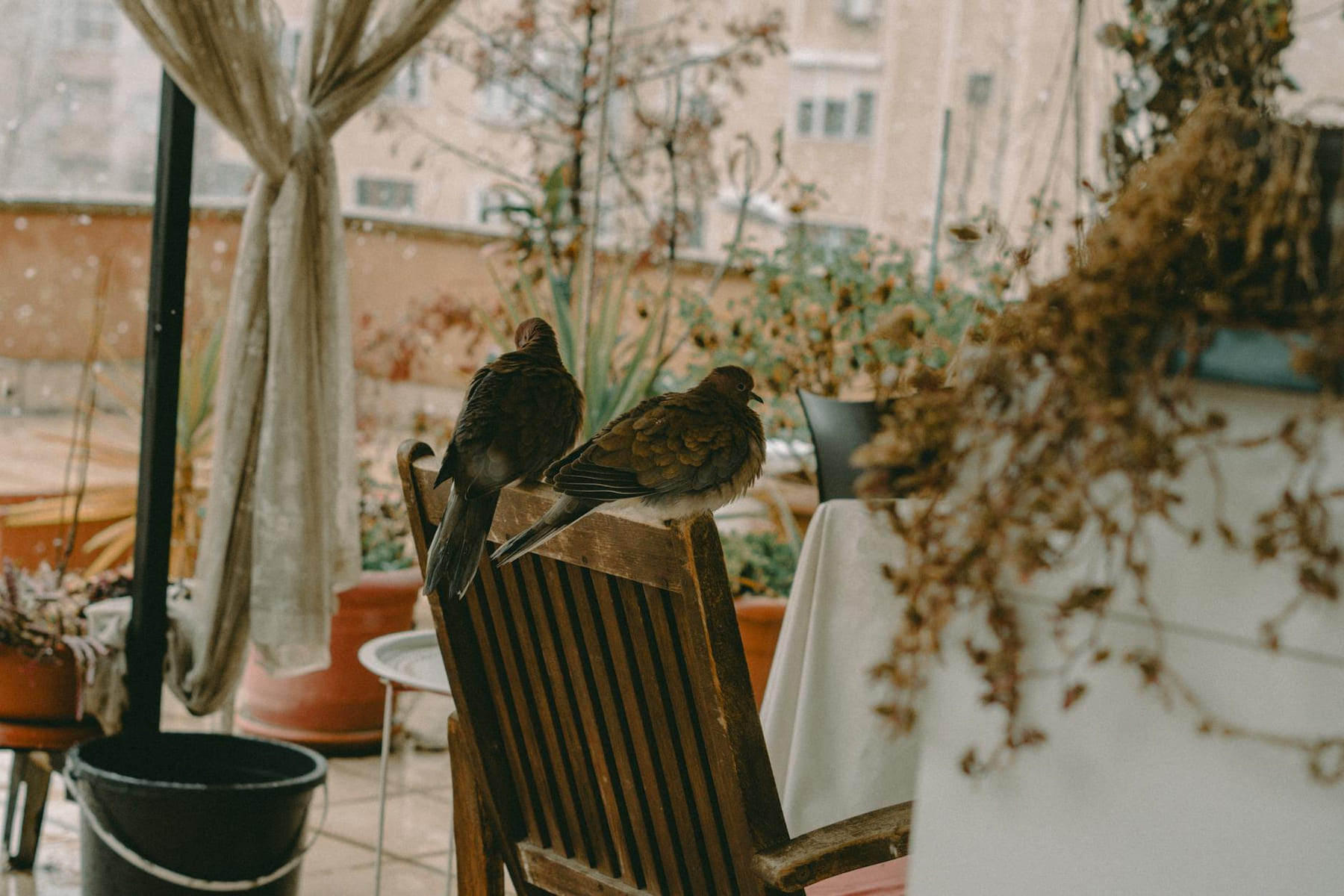
Balcony gardens are fantastic - they bring a slice of nature to urban living, offer a relaxing escape, and can even provide fresh herbs and vegetables. But did you know you can amplify the benefits of your small outdoor space by transforming it into a welcoming haven for birds? Creating a bird-friendly balcony garden isn’t just a lovely aesthetic choice; it’s a fantastic way to support local wildlife, enjoy their vibrant presence, and contribute to a healthier urban ecosystem. It’s easier than you might think, and with a little planning, you can create a thriving little oasis for both you and your feathered neighbors.
Why Bird-Friendly Matters
Cities can be incredibly challenging environments for birds. Habitat loss, pollution, and a lack of natural food sources can significantly impact their populations. Even a small balcony garden can make a difference by providing a safe place to rest, feed, and raise young. A well-designed balcony garden offers crucial resources like shelter, food, and water - all vital for attracting and supporting a variety of bird species. Plus, let’s be honest, watching a robin hop around your plants or a blue jay flitting between feeders is incredibly rewarding!
Planning Your Bird-Friendly Balcony
Before you start buying plants and feeders, a little planning goes a long way. Consider these key factors:
- Sunlight: Observe your balcony throughout the day to determine how much sunlight it receives. Most birds prefer a mix of sun and shade, so aim for a space that offers both. If your balcony is mostly shaded, focus on providing dense shrubs and shelter. If it's sunny, choose plants that can tolerate full sun.
- Space Limitations: Balconies are small, so choose plants carefully. Vertical gardening - using trellises, hanging baskets, and wall planters - is your best friend. Think compact varieties and consider plants that offer multiple benefits, like berries for food and shelter for nesting.
- Weight Restrictions: Crucially, check your building's regulations regarding balcony weight limits. Soil, water, and large containers can add significant weight. Opt for lightweight potting mixes and containers to avoid exceeding the limit. A quick call to your building management is a wise investment.
- Wind Exposure: Balconies can be windy. Select plants that are sturdy and can withstand a breeze, or provide windbreaks like screens or strategically placed shrubs.
Planting for Birds: A Layered Approach
A successful bird-friendly balcony garden isn't just about scattering a few seeds. It’s about creating a layered ecosystem with diverse plants that offer different benefits:
- Trees and Shrubs (Vertical Layer): Even on a balcony, you can incorporate small trees or shrubs. Dwarf conifers, Japanese maples (smaller varieties), and serviceberry are excellent choices. They provide crucial nesting sites and cover. Consider a small espaliered fruit tree for a beautiful and productive addition.
- Perennials and Flowering Plants (Mid-Layer): These plants provide a continuous source of nectar and seeds. Native wildflowers are particularly beneficial as they’re adapted to your local climate and attract native insects, which birds feed on. Examples include:
- Coneflowers (Echinacea): Attractive to goldfinches and other seed-eating birds.
- Black-Eyed Susans (Rudbeckia): Provide seeds and attract butterflies.
- Salvia: A favorite of hummingbirds and finches.
- Lavender: Fragrant and attractive to bees and butterflies, which birds will also enjoy.
- Annuals (Ground Layer): Annuals provide a quick burst of color and nectar, especially during the spring and summer. Petunias, marigolds, and zinnias are good options.
- Berry-Producing Plants: Berries are a vital food source for many birds, especially during the fall and winter. Holly, viburnum, and elderberry are excellent choices, though they may require more space.
Feeder Frenzy: Choosing the Right Feeders
Feeders aren't essential, but they can significantly increase the number of birds your balcony attracts. Here’s what to consider:
- Tube Feeders: Popular for sunflower seeds and nyjer seeds (for finches).
- Hopper Feeders: Hold larger quantities of seed and are good for attracting larger birds like cardinals and jays.
- Platform Feeders: Offer a wider variety of seeds and are great for attracting ground-feeding birds.
- Suet Feeders: Provide high-energy fat, especially important during cold weather.
- Placement is Key: Position feeders where birds can easily see them and have a clear flight path. Place them a few feet away from shrubs or branches where predators (like cats) can hide.
Watering Holes: Providing a Refreshing Drink
Birds need access to fresh water, especially during hot weather. A simple birdbath is a fantastic addition. Here are some tips:
- Shallow Water: Birds prefer shallow water for bathing and drinking.
- Moving Water: A gently bubbling fountain or dripper is incredibly attractive to birds.
- Regular Cleaning: Clean your birdbath regularly to prevent algae and bacteria buildup.
Creating Shelter and Nesting Sites
- Dense Shrubs: Provide cover from predators and weather.
- Nest Boxes: Install birdhouses specifically designed for the species you want to attract. Research the appropriate size and entrance hole diameter for each species.
- Brush Piles: A small brush pile (using natural materials) can provide valuable shelter.
Specific Bird Species & Balcony Gardens
The birds you attract will depend on your location and the types of plants you choose. Here’s a quick overview:
- House Finches & Goldfinches: Attracted to nyjer seeds, sunflower seeds, and small berries.
- Cardinals & Jays: Enjoy sunflower seeds, suet, and berries.
- Blue Jays & Nuthatches: Benefit from suet, acorns, and berries.
- Robins & Sparrows: Prefer seeds, insects, and berries.
- Hummingbirds: Attracted to brightly colored flowers like salvia and petunias.
Maintenance and Ongoing Care
- Deadheading: Remove spent flowers to encourage continued blooming.
- Pruning: Regularly prune shrubs and trees to maintain their shape and size.
- Cleaning Feeders and Birdbaths: Clean feeders and birdbaths regularly to prevent the spread of disease.
- Observe and Adapt: Pay attention to which birds are visiting your garden and adjust your plantings and feeder choices accordingly.
Creating a bird-friendly balcony garden is a rewarding experience that benefits both you and the local wildlife. With a little planning and effort, you can transform your small outdoor space into a vibrant oasis teeming with life. Start small, experiment, and enjoy the beauty and joy of watching birds thrive in your urban haven.
Keep This Practical
Garden progress usually comes from one condition getting a little better: light, watering, soil, or plant choice. Start with the factor that would make the biggest difference in the space you have.
Tools Worth A Look
If the article pointed you toward one clearer plant or setup decision, the products below are the closest fit.
- Small Space GardeningSquare Foot Gardening for Small Spaces: Simple Raised-Bed and Container MethodsVECELO 5 Tier Vertical Garden Planter, Self Watering Stackable Planters with Wheels for Strawberries, Herbs, Flowers, VegetablesBeginner's Guide to Growing Fruit Trees Fast and Easy: Proven sustainable techniquesVertical Vegetables & Fruit: Creative Gardening Techniques for Growing Up in Small Spaces
Some of the links on this page are Amazon affiliate links, which means I may earn a small commission if you make a purchase through them. As an Amazon Associate, I earn from qualifying purchases.
Related ReadingMore from Urban Sprout Corner
Container Companions: Grow Together
deserves a little more room than a quick summary because most readers are trying to make a real decision, not just skim a few surface-level t...
Vegetable Friends: Companion Flowers for Your Garden
Let’s Talk Gardens! - Boosting Your Small Space Vegetable Garden with Companion Flowers Welcome to Urban Sprout Corner! If you’re anything like me, you’re dreaming.
Small Space Blooms: Compact Garden Ideas
Tiny Spaces, Big Harvests: Your Guide to Budget-Friendly Small Garden Ideas Living in the city doesn’t mean you have to say goodbye to the joy of growing your own.