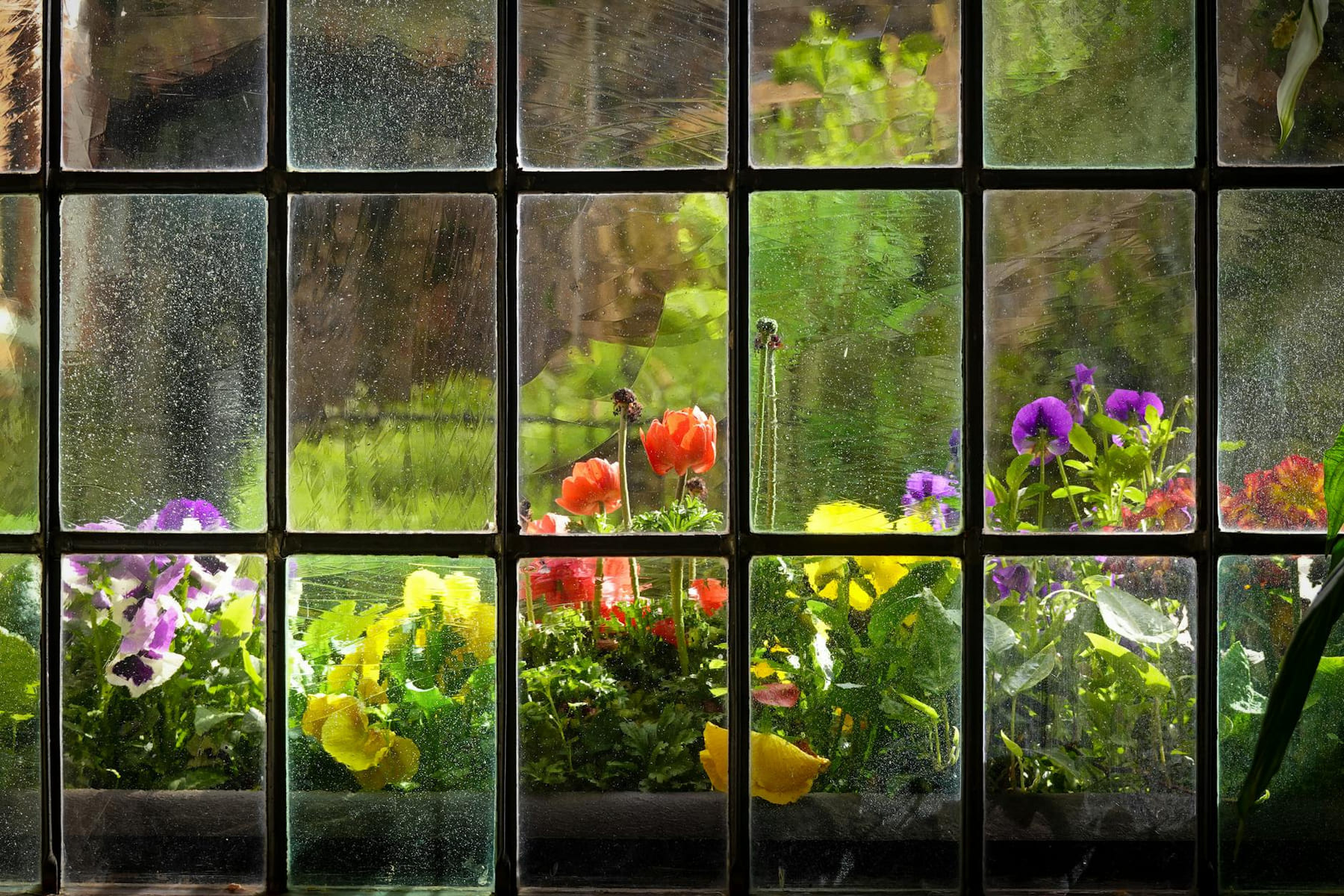
The Best Window Box Flowers for a Burst of Urban Color
Welcome to Urban Sprout Corner! If you’re dreaming of adding a splash of vibrant color to your city dwelling, a window box is the perfect solution. It’s a surprisingly impactful way to bring a touch of nature into your home, even if you’re limited on space. But with so many flowers to choose from, where do you even begin? This guide will walk you through everything you need to know to create a stunning window box that thrives, focusing on the best flowers for different light conditions and offering practical tips for ongoing care. Let’s get growing!
Understanding Your Sunlight: The Key to Success
Before you rush out to buy a rainbow of blooms, it’s crucial to assess the amount of sunlight your window box will receive. This single factor dramatically impacts which flowers will flourish. We generally categorize sunlight exposure into three levels:
- Partial Shade (4-6 hours of sunlight): This is the most common scenario for window boxes, especially those facing east or west. Plants in this category will benefit from *afternoon shade*, as intense morning sun can scorch their leaves. Fantastic choices for partial shade include:
- Impatiens: These are absolute stars for window boxes, offering a continuous cascade of cheerful, vibrant colors - pinks, reds, purples, and whites. They’re relatively low-maintenance and thrive in moist soil.
- Verbena: Verbena comes in a huge variety of colors and forms, from trailing vines to compact bushes. It’s incredibly heat-tolerant and blooms profusely throughout the summer.
- Pansies & Violas: These cool-season favorites provide a burst of color in the spring and fall. They love a bit of shade and come in a dizzying array of patterns and hues.
- Full Shade (Less than 4 hours of sunlight): While window boxes generally thrive with some light, certain shade-tolerant flowers can still perform well in these conditions. Don't despair! You can still create a beautiful display. Consider these options:
- Begonias (specifically Tuberous Begonias): These beauties produce large, showy flowers in shades of pink, red, white, and orange. They prefer consistently moist soil and appreciate a bit of protection from the harshest sunlight.
- Coleus: Primarily grown for their stunning foliage, Coleus comes in an incredible range of colors and patterns - from deep purples and greens to vibrant reds and yellows. They tolerate shade beautifully.
- Browallia: Known for their delicate, star-shaped blue or purple flowers, Browallia thrives in shady conditions and adds a touch of elegance to your window box.
- Full Sun (6+ hours of sunlight): While less common for traditional window boxes, some sun-loving flowers can work with strategic placement. Petunias, for example, can tolerate full sun if they receive a little afternoon shade.
Maximizing Sunlight in Urban Environments: Living in a city often means battling limited sunlight. Here's how to combat that:
- Reflective Surfaces: Placing your window box against a white wall, fence, or even a sheet of reflective material can bounce sunlight onto the plants, boosting their growth.
- LED Grow Lights: Surprisingly affordable and incredibly effective, small, adjustable LED grow lights can make a huge difference, especially during shorter days. Look for lights with a full-spectrum output for optimal plant growth.
- Window Box Orientation: Consider the direction your window faces. South-facing windows typically receive the most sunlight, while north-facing windows receive the least.
Soil, Watering & Feeding - The Essentials
Don’t underestimate the importance of the basics! Using the right materials is the foundation of a thriving window box. Regular garden soil is far too heavy for containers and will compact, hindering drainage and root growth. Here’s what you need:
- High-Quality Potting Mix: Choose a lightweight, well-draining potting mix specifically formulated for containers. Look for mixes that contain peat moss, perlite, and vermiculite.
- Drainage Holes: Ensure your window box has adequate drainage holes - at least four is ideal - to prevent water from accumulating and causing root rot.
- Watering: Water regularly, especially during hot, dry weather. A good rule of thumb is to water when the top inch of soil feels dry to the touch. Avoid overwatering, which can be just as harmful as underwatering.
- Fertilizing: Feed your plants with a balanced fertilizer (10-10-10) every 4-6 weeks. Organic options, like compost tea or fish emulsion, are always a good choice.
Maintaining Beauty: Deadheading & Companion Planting
"Deadheading" - pinching off spent flowers - is a simple yet incredibly effective technique for encouraging continuous blooming. When you remove a faded flower, the plant directs its energy into producing new buds. It’s a small effort that yields a huge visual reward.
Companion Planting: Strategic pairings of plants can benefit each other, improving growth and deterring pests. Here are a few excellent combinations:
- Marigolds & Petunias: Marigolds are renowned for their pest-repelling properties, particularly against nematodes. Their vibrant color adds a cheerful contrast to the petunias.
- Basil & Tomatoes: Basil is believed to improve the flavor of tomatoes and also acts as a natural insect repellent.
- Nasturtiums & Lettuce: Nasturtiums attract aphids away from lettuce, protecting your leafy greens.
Trend Alert: Vertical Window Boxes
Let’s talk about a growing trend: vertical window boxes! These innovative systems allow you to create stunning floral displays on walls and fences, maximizing space and adding a dramatic touch to your urban landscape. They’re particularly well-suited for trailing flowers like:
- Cascading Petunias: These vibrant, cascading flowers spill over the edges of the box, creating a waterfall of color.
- Lobelia: Lobelia offers a profusion of small, delicate flowers in shades of blue, purple, and white.
- Trailing Succulents: Certain succulent varieties, like Sedum and Echeveria, can be trained to trail beautifully from a vertical window box.
Conclusion
Creating a beautiful window box is a rewarding experience that brings joy and a touch of nature to your urban space. By carefully selecting the right flowers based on your sunlight conditions, providing proper soil, watering, and feeding, and implementing simple maintenance techniques like deadheading and companion planting, you can transform your window into a vibrant oasis. Don’t be afraid to experiment, have fun, and most importantly, enjoy the process! We encourage you to start planning your window box today - and be sure to share your creations with us on social media using #UrbanSproutCorner.
Keep This Practical
Garden progress usually comes from one condition getting a little better: light, watering, soil, or plant choice. Start with the factor that would make the biggest difference in the space you have.
Tools Worth A Look
If the article pointed you toward one clearer plant or setup decision, the products below are the closest fit.
- Elizabeth Mott Thank Me Later Face PrimerSeed Planter Tool, 6.9" Dibber Garden Tool, Plastic Seed Dibbler for Planting, Bulb Digger Garden Planter with Handle for Sowing SeedsAoodor 4 x 4 x 1 ft Galvanized Raised Garden Bed, Mini Greenhouse KitCompanion Planting for BeginnersWorth Garden 4 Tier Mini Greenhouse - 63'' H x 27'' L x 19'' W - Sturdy Portable Gardening Shelves
Some of the links on this page are Amazon affiliate links, which means I may earn a small commission if you make a purchase through them. As an Amazon Associate, I earn from qualifying purchases.
Related ReadingMore from Urban Sprout Corner
Vegetable Friends: Companion Flowers for Your Garden
Let’s Talk Gardens! - Boosting Your Small Space Vegetable Garden with Companion Flowers Welcome to Urban Sprout Corner! If you’re anything like me, you’re dreaming.
Small Space Blooms: Compact Garden Ideas
Tiny Spaces, Big Harvests: Your Guide to Budget-Friendly Small Garden Ideas Living in the city doesn’t mean you have to say goodbye to the joy of growing your own.
Small Garden Style: Decorating Tiny Spaces
Another easy trap is copying a setup that made sense for someone with a different routine, budget, or tolerance for maintenance. In Small Space Gardening, that.