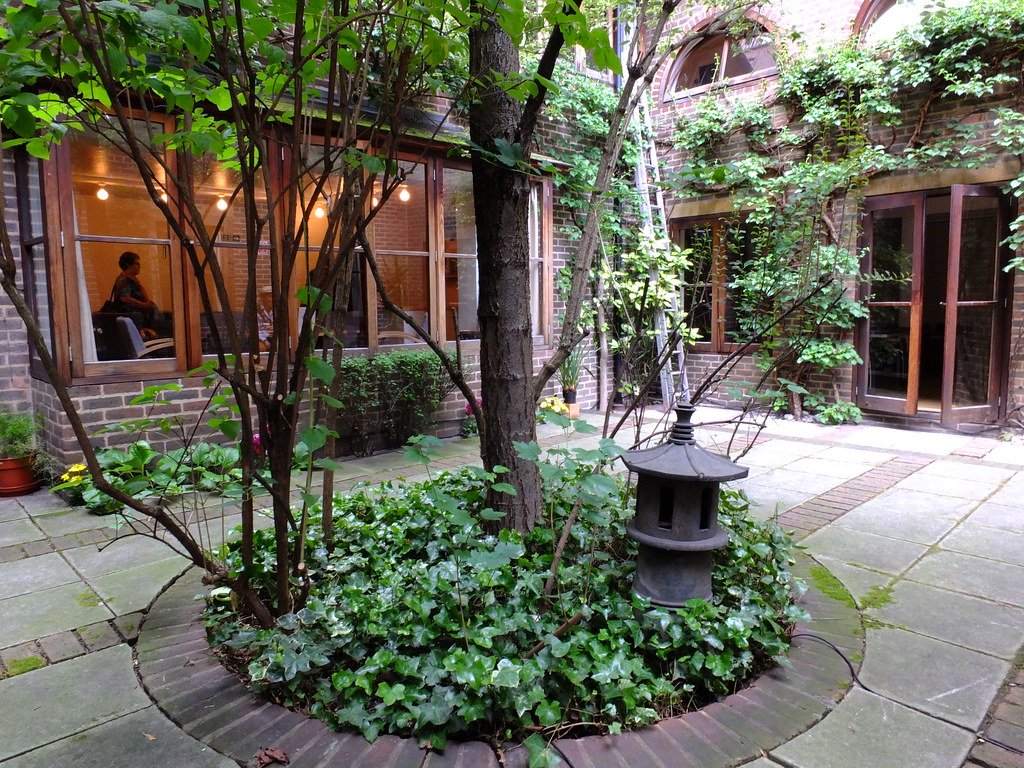
Hanging Gardens on a Budget 🌱 can be easier to approach when you start with a few practical basics.
- Macrame Cord: This is where you’ll likely spend a bit more. A decent length of macrame cord will run you around $10-$20 online. Don’t feel you need to buy the most expensive kit - a simple spiral or knot design is perfectly charming.
- Rope/Twine: For securing your planters, rope or twine will set you back $5-$10.
- Potting Soil: A small bag of good quality potting soil is crucial. Budget around $15-$25 - buying in bulk is almost always the most economical option.
- Basic Gardening Tools: A small hand trowel and a shovel will cost roughly $10-$20. You might even have these already! Sourcing materials creatively is key. Hit up your local thrift stores - you’d be surprised what treasures you can find. Keep an eye out for sales and discounts online.
DIY Hanging Planter Project #1: The Repurposed Bucket Planter (Hanging Gardens on a Budget 🌱)
This is a fantastic starting point. It’s simple, effective, and uses materials you probably already have. 1. Prep the Bucket: Thoroughly clean your chosen bucket with soap and water. 2. Drainage is Key: Drill at least four drainage holes in the bottom of the bucket. This is absolutely vital to prevent root rot. 3. Hang It Up: Attach eye hooks to the sides of the bucket - these will support the weight. Use chain or rope to hang the bucket from a hook or beam. 4. Fill & Plant: Fill the bucket with potting soil and plant your chosen herbs, radishes, or lettuce. What to Grow: Basil, mint, radishes, and lettuce are all well-suited to hanging planters. Basil and mint will reward you with fresh herbs, while radishes and lettuce offer a quick and rewarding harvest. For basil, aim for a sunny spot (at least 6 hours of direct sunlight). Water regularly, allowing the top inch of soil to dry out between waterings. Radishes need cooler temperatures and benefit from daily watering.
DIY Hanging Planter Project #2: Macrame Magic - Simple Hanging Basket
This project adds a touch of bohemian flair to your space. It’s surprisingly easy, even if you've never tried macrame before. 1. Gather Your Supplies: You’ll need macrame cord (about 30-40 feet for a small basket), a small pot or basket, and a hook for hanging. 2. Basic Spiral Knot: The core of this project is a simple spiral knot. There are countless tutorials online - search for “easy macrame spiral knot” for a visual guide. 3. Wrap & Knot: Wrap the cord around the pot, creating a spiral pattern. Secure the ends with knots. 4. Hang & Enjoy: Attach a hook to the top of the macrame and hang your new planter. Plants to Consider: Strawberries, trailing herbs (like thyme or oregano), and petunias look beautiful in a macrame basket. These plants thrive in bright, indirect sunlight. Water when the top inch of soil is dry.
DIY Hanging Planter Project #3: Tin Can Cascade - Vertical Gardening
This project is a great way to maximize space and create a visually appealing vertical garden. 1. Prepare the Cans: Clean and dry your tin cans thoroughly. Remove any sharp edges. 2. Create Drainage: Punch several small drainage holes in the bottom of each can. 3. Secure the Cans: Use wire or strong rope to connect the cans vertically, creating a cascading effect. You can hang them individually or link them together. 4. Plant & Hang: Fill each can with potting soil and plant your chosen plants. Hang the cascade from a sturdy hook. Plants for Cascades: Ivy, pothos, and trailing succulents are excellent choices. These plants prefer bright, indirect sunlight. Water thoroughly, allowing excess water to drain.
Easy Crops for Hanging Planters - What to Grow
Here’s a quick guide to plants that thrive in hanging planters: * Herbs: Basil, thyme, oregano, rosemary
- Vegetables: Strawberries, lettuce, cherry tomatoes (smaller varieties)
- Flowers: Petunias, verbena, calibrachoa
- Succulents: Echeveria, sedum, sempervivum Remember that sunlight and watering needs will vary depending on the specific plant and your local climate.
Maintenance & Care - Keeping Your Planters Healthy
Consistent care is key to success. Water your hanging planters regularly, checking the soil moisture daily. Most plants will need watering every 1-3 days, depending on the weather. Ensure your plants receive adequate sunlight - most herbs and vegetables need at least 6 hours of direct sunlight per day. A light feeding with a balanced liquid fertilizer every 2-4 weeks can boost growth. Keep an eye out for pests - introducing beneficial insects like ladybugs can help control infestations.
Troubleshooting - Common Problems and Solutions
- Root Rot: Caused by overwatering. Let the soil dry out more between waterings.
- Yellowing Leaves: Often a sign of nutrient deficiency. Fertilize regularly.
- Pests: Inspect your plants regularly and treat infestations with organic methods like neem oil.
Summary & Call to Action
Creating a beautiful and productive hanging garden doesn’t have to be complicated or expensive. By utilizing repurposed materials and simple DIY projects, you can transform any small space into a thriving oasis. Start small, experiment with different plants, and enjoy the rewards of growing your own food and flowers. Ready to get started? Sign up for the Urban Sprout Corner newsletter for more gardening tips and exclusive offers - .
Start with what you will actually use
With Hanging Gardens on a Budget 🌱, the first question is usually not which option looks best on paper. It is which part will make day-to-day life easier, smoother, or cheaper once the novelty wears off.
A lot of options sound great until you picture them in a normal week. If the setup is fussy, the routine is easy to forget, or the maintenance is annoying, the appeal fades quickly.
There is also value in keeping one part of the process deliberately simple. Readers often do better when they identify the one decision that carries the most weight and make that choice carefully before they chase smaller optimizations. That keeps momentum steady and usually prevents the topic from turning into clutter.
What tends to get overlooked
Tradeoffs are normal here. Cost, convenience, upkeep, and flexibility do not always line up neatly, so it helps to decide which tradeoff matters least to you before you commit.
This usually gets easier once you make a short list of priorities. A tighter list tends to produce better decisions than trying to solve every possible problem at once.
Another useful filter is asking what you would still recommend if the budget got tighter, the schedule got busier, or the setup had to be easier for someone else to manage. The answers to that question usually reveal which advice is durable and which advice only works under ideal conditions.
Keep This Practical
The best small-space gardening moves are practical and repeatable. Pick the plant, container, or routine that matches your real conditions instead of forcing the ideal version.
Tools Worth A Look
The products here work best when they support healthy plants and simpler routines in the space you actually have.
- Gardening for BeginnersGardening Books For Beginners
- Square Foot Gardening for Small Spaces: Simple Raised-Bed and Container Methods to Grow Fresh Vegetables at Home.
Indoor Growing SeriesGrow at Home Made SimpleSome of the links on this page are Amazon affiliate links, which means I may earn a small commission if you make a purchase through them. As an Amazon Associate, I earn from qualifying purchases.
Related ReadingMore from Urban Sprout Corner

Small Space Gardens: Bench or Something Else?
The options that age well are usually the ones that are easy to repeat. Reliability and low hassle often matter more than the most impressive-looking feature
Small Space Bench Builds: Avoiding Common Mistakes
The options that age well are usually the ones that are easy to repeat. Reliability and low hassle often matter more than the most impressive-looking feature
Potting Bench Problems? Small Space Solutions
Use potting bench problems? small space solutions as a clearer framework for sorting through the tradeoffs, priorities, and next steps that matter most.